Category: Best baby gear

The best buys you need for your baby

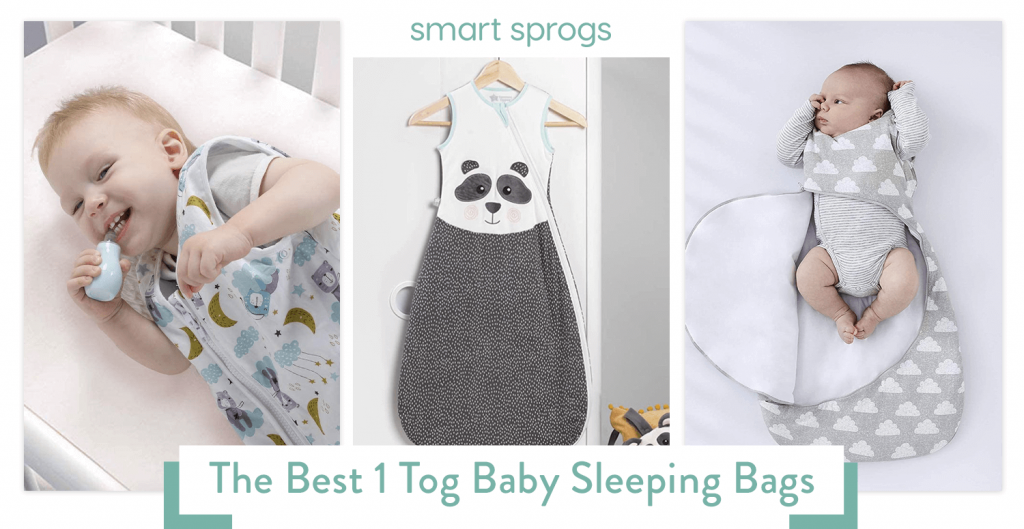
  • The Best 1 Tog Baby Sleeping Bags

    A 1 tog sleeping bag is a great choice for safe and happy snoozing during the British summer time. There are lot of different brands, colours and patterns to choose from so, settle down with a cuppa and enjoy perusing our useful guide. 

    What is a Tog rating?

    The Thermal Overall Grade (Tog) is the rating that describes the ‘warmth’ of a sleeping bag. A higher number means that it will have more thermal resistance and keep your baby cosier. 

    A 1 tog bag is suitable for a night’s slumber at between 20 and 24 degrees.

    Remember that the tog rating is a guide and children will differ in how warm they prefer to be while sleeping. Always check for a hot and sweaty back of the neck and chest to make sure they are safe and comfortable. 

    Are 1 Tog baby sleeping bags right for your baby? 

    Baby grow bags 1 Tog could be the ultimate solution for an undisturbed and happy night of sleep. Good quality brands will provide a guide to togs and temperatures or you could head to Sleep Safety websites such as The Lullaby Trust or the NHS for up-to-date guidance and advice. 

    Holidays

    If you’re going on holiday with a toddler to a hot country, make sure a 1 tog sleeping bag 18-36 months is on your packing list. 

    A lightweight but comforting sleeping bag is the perfect sleep wear in an air-conditioned room on a sunny Greek island. 

    Room temperature

    Check the average temperature of any room that your baby will be sleeping in. A good quality room thermometer is a vital purchase for parents-to-be. 

    Each house is different. In a Victorian Terrace with high ceilings it may feel cool even in August yet in a modern, eco home you might find that the nursery is always toasty even when it’s snowing outside. 

    The ideal room temperature should be 16-20 degrees so choose sleeping bags and pyjamas that suit the houses that you live in and visit regularly. 

    What your baby should wear underneath

    If the nursery is 18 degrees a lightweight sleeping bag and cotton long sleeved vest are a sensible option. 

    Check the guidance provided on The Lullaby Trust link and/or provided with your baby’s sleeping bag. 

    Layering is key and check the back of your tiny tot’s neck and their chest to ensure it is not hot and sweaty. If you’re concerned, take a layer away. Don’t judge temperature by hands and feet as they will naturally be cooler. 

    How to choose baby sleeping bags 1 Tog and over

    Size 

    A 1 Tog baby sleeping bag 0-6 months will have a minimum weight limit so check your baby is big enough before snuggling them up in it. 

    Consider purchasing a bag that has an adjustable length or shoulders to prevent a wiggly baby from slipping down into the bottom. 

    We love the fantastic value that a 1 tog sleeping bag 18-36 months represents. Not many nursery items have the longevity of a sleeping bag. 

    Fastenings

    The best kind of closing mechanism will differ depending on the size. A 1 tog sleeping bag 18-36 months should have a long zip for ease of fit on an older, lively baby. 

    A baby sleeping bag 1 Tog or otherwise will have one of the following kinds of fastening:

    • Middle zip – robust and covered to prevent irritation and catching
    • Middle and two-way bottom zip – a fab option for quick and easy nappy changes in the middle of the night
    • Side zip – a practical wide opening which is particularly good for older babies 
    • Buttons or poppers at the shoulders – great for adjustability and easy removal 

    Fabric 

    Breathable 100% cotton is the ideal fabric for a sleeping bag. It can be either soft fleece or cooling, smooth cotton depending on what your baby prefers. 
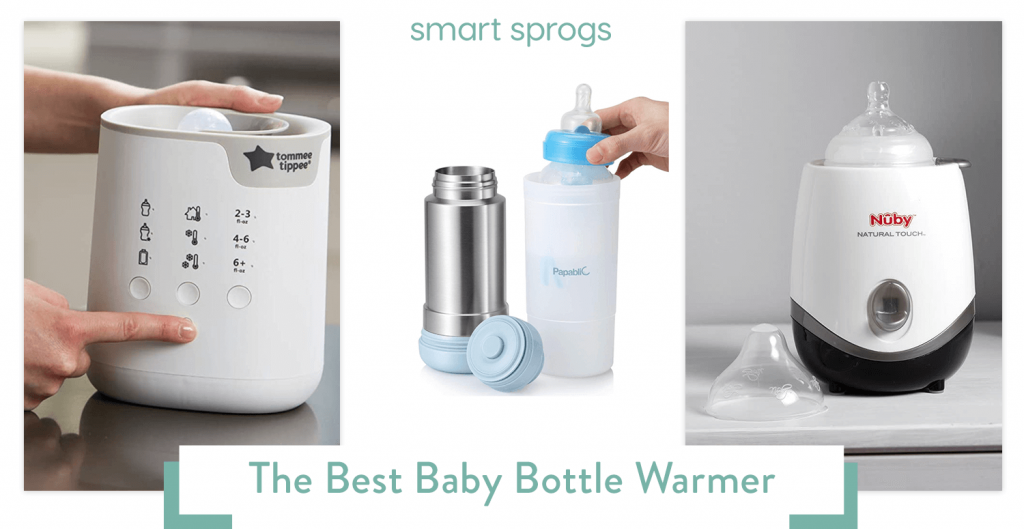
  • The Best Baby Bottle Warmer

    Being a parent is both a source of deep joy and utter bewilderment! Have you ever had your cosy, peaceful evening of wine and movies disrupted by your offspring demanding toasty warm milk and NOW! Yep, us too! 

    Shopping guide to the best baby bottle warmer 

    We’ve tried and tested the products with the best bottle warmer reviews and brought them to you here. Prepping and warming feeds doesn’t have to be stressful when you’re in smug possession of the right kit! 

    Do I need to warm my baby’s bottle?

    Many parents will be surprised to learn that there are no health benefits to warming your baby’s milk, in many families it is simply a practice that has been passed down through the generations with little thought as to whether it is ‘needed’. 

    Ideally, your tiny tot would be happy to guzzle a feed at any temperature (other than too hot obviously!) Now, how incredibly convenient would that be?! 

    When you begin a feeding routine, be it expressed breast milk or formula, start by offering your baby a room temperature feed. If he cheerfully drinks it then, happy days! 

    Experiment with cooler milk too. Encouraging this kind of adaptability will make your life easier and lead to more relaxed mealtimes. 

    Here’s what to consider when preparing a feed:

    • Some babies enjoy the soothing feeling of warm milk at bedtime and that’s ok.
    • Warming bottles will help a child get used to the idea of tasting hotter food as they grow. 
    • Most breastfed babies will be content to have their top-up milk served at body temperature. This will feel lukewarm to an adult.
    • Bottles of formula must be prepared with cooled boiled water and the chilling process may make it too cold for your baby to drink. 
    • Frozen breastmilk can be defrosted in a bottle warmer. 
    • Baby bottle warmers are a much safer method of warming than the microwave which can over-heat the milk (causing a loss of nutrients) and create hot spots.   

    How to use a bottle warmer

    A good baby milk warmer will come with a detailed user manual which should be read carefully. 

    Each brand, type and design will be used differently. A Dr Brown flask bottle warmer will be very straight forward whereas you will need to study the Avent Digital Bottle Warmer instructions. 

    Types of bottle warmer

    Flask – freshly boiled water is stored in an insulated flask and then used to warm a bottle of milk or pouch of food. This is the best baby bottle warmer for days out and holidays. 

    You could even buy two and use the second as a cooler for ready-mixed cartons, cooled water and/or baby food

    Electric – the bottle is warmed using water heated by a heating element. It will come with a guide of how long it will take to warm the milk to the temperature needed. The functions will be controlled with a single dial or buttons. 

    Digital electric – a heating element is used to heat water which subsequently warms the bottle. Sensors will switch the warming process off and alert you when the milk is ready to drink. A bright digital display is easier to see in a gloomy kitchen at 2am. 

    Feeding systems – water is heated and used to warm the bottle while a separate section of the machine is keeping the next couple of bottles cool. Water can be stored, boiled, cooled and warmed all with the same piece of equipment. 

    Useful features to look for in bottle warmers

    Portable 

    If your family enjoys lots of weekends away, trips out and holidays then a compact and light bottle warmer which will tuck snugly into your baby bag is a great idea. 

    A flask for baby milk heating has been the ‘go-to’ method for generations. They are inexpensive, don’t take up much cupboard or counter space and so are perfect for home use too! 

    Electric 

    Using electricity to heat water to warm the bottle means that the milk will be ready quickly. Some will have your bundle of joy chowing down after an amazing two minutes. 

    Fast 

    2 – 4 minutes is the average time it takes to warm a 150 ml bottle. This may not seem like a long time to wait, but if it’s 3am and your baby daughter is screaming, it will feel like forever! 

    If the milk needs defrosting or the bottle has a larger capacity, timings can change. 

    Multi-use 

    Some warmers can be used to heat food pouches or jars of ready-made meals. Choose a warmer with a wide base and/or container. 

    Child health experts don’t recommend storing pre-prepared bottles. However, if you’re planning for several feeds, an insulated flask or compartment that can keep once boiled water cool and fresh is a useful feature. 

    Controllable 

    An electric warmer will allow you to set a timer and choose the level of heat needed. 

    Automatic 

    The most sophisticated, sensor-based machines can be pre-set to automatically heat your hungry baby’s bottles to the correct temperature. 

    All-in-one

    Boils water, cools, stores and warms – everything you need. The Tommee Tippee Perfect Prep machine started this trend and it has been a smash hit with new parents. 

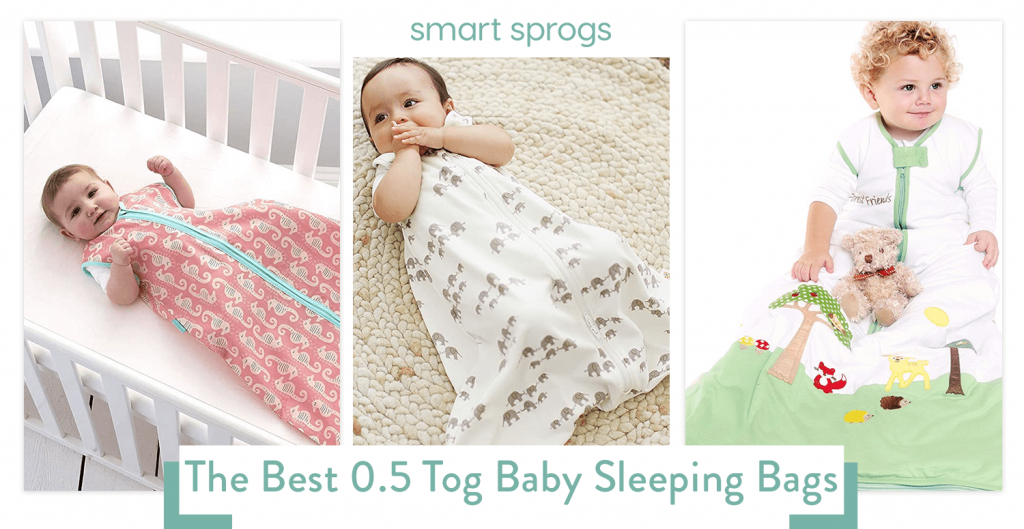
  • The Best 0.5 Tog Baby Sleeping Bags

    In summer, a lightweight baby sleeping bag of 0.5 tog should help your child to sleep comfortably throughout warm nights. 

    This guide on how to choose the best sleeping bags has lots of helpful hints but head to ‘The Lullaby Trust’ website for more safe sleep advice.

    A shopping guide – our favourite baby summer sleeping bags

    Is a 0.5 tog sleeping bag a useful purchase? 

    What tog sleeping bag for baby in summer? That’s a tricky question as it depends on the following factors:

    • The weather
    • The average temperature of the room where the cot is situated
    • Sleep clothing

    All reputable sleeping bag brands should provide a temperature and tog guide to make it easy for parents to decide which bag to use and what to dress their baby in. 

    A U.K Summer

    A thin sleeping bag with a 0.5 tog rating is recommended when the temperature in the room reaches over 23 degrees. Higher tog sleeping bags are likely to be too stifling in July and August even during a disappointing British summer. 

    Warm rooms

    Is your home unusually warm? Eco houses and new builds will hold their heat much better than Victorian terraces and old country cottages. 

    Check the average temperature of the nursery over a few days before your baby is born to help you decide whether to buy warm or cool sleeping bags. 

    Holiday 

    If you’re lucky enough to be planning a sunshine holiday, then ‘Baby sleeping bags 0.5 tog’ should definitely be on your packing list!

    Small children enjoy routine and if they are used to sleeping in a bag then, even in a hot country, they will settle better when wearing one. 

    A low tog summer sleeping bag will work well in hotel rooms where there is air conditioning but if it’s hot and sticky make sure baby is only wearing a nappy and keep a close eye on them as they adjust to the new, hotter environment. 

    What clothing should baby wear underneath a 0.5 tog baby sleeping bag

    Prevention of over-heating is vital when it comes to sleep safety and the correct tog of baby summer sleeping bag combined with the most suitable sleepwear will keep your precious bundle healthy, happy and sleepy. 

    On cooler summer days a lightweight summer sleepsuit under a 0.5 tog sleeping bag will be fine. But if the temperature rises or the bedroom feels stuffy then seek guidance and consider keeping baby cool in just a nappy. 

    You’ll know your baby is too warm when the skin on the back of their neck and chest is hot or sweaty. Don’t check their hands and feet as they will always be cooler. 

    Features to look for in a summer sleeping bag

    Size

    Most brands of baby summer sleeping bag come in 0-6 months, 6-18 months and 18-36 months. Using the right size is important and always check that your baby isn’t able to wiggle down into the bottom of the sleeping bag. 

    Adjustable shoulders on a 0.5 to sleeping bag 6-18 months will keep a smaller baby safe and snug and provide older baby with room to wiggle and kick their legs. 

    The large age range that each size of sleeping bag covers means that the Grobag 0.5 tog 6-18 months will cover an entire summer and beyond – fantastic value! 

    Fastenings

    Some summer baby sleepsuits or sleeping bags will have different kinds of fastenings:

    • A middle zip only – a simple and unfussy way to secure your baby in their sleeping bag
    • A middle zip and a bottom zip – perfect for night time nappy changes but check the zip is covered or delicate feet may get irritated by the metal once they get to the end of the age range for the bag. 
    • Two-way zippers – much less faff for tired parents trying to change a nappy at midnight 
    • Adjustable toggles and buttons at the shoulder – great for ensuring a secure fit, but wiggly and older babies may be able to work them loose. 

    Fabric

    Your child’s new super light sleeping bag should ideally be made from breathable 100% cotton. You will find sleeping bags in both snuggly fleece and crisp, smooth fabric, the choice is yours. We recommend trying both to discover which your little one prefers. 

    Ease of washing 

    You NEED a minimum of two sleeping nests that are:

    • Machine washable 
    • Easy to remove when a nappy has exploded
    • Suitable for the tumble dryer 
    • Quick to dry on an airer
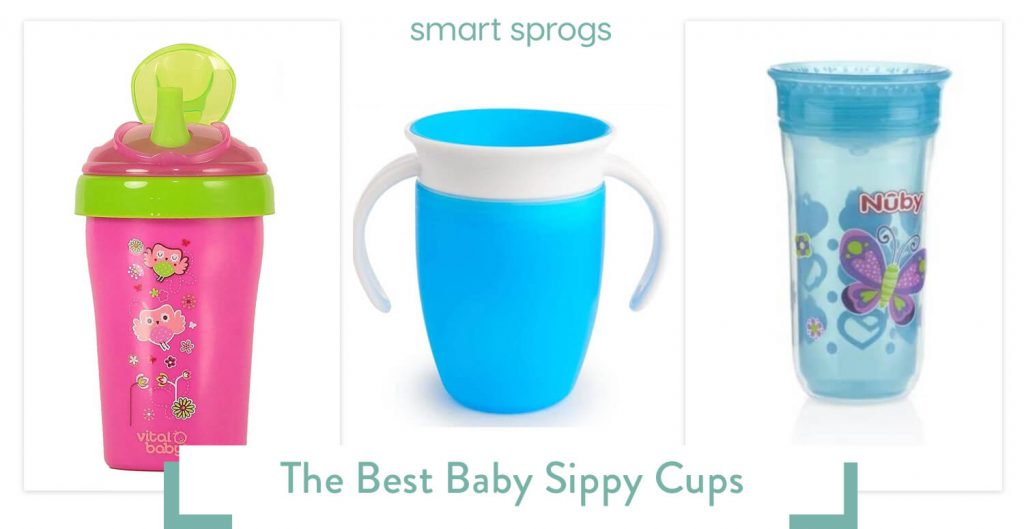
  • The most practical baby sippy cups

    There is a huge range of spill-proof beakers for babies on the UK market, from a jolly cow print toddler milk cup to a clever baby sippy cup that can be sipped from any part of the lid. 

    Our comprehensive guide on everything from when to introduce independent drinking to how to reduce the mess at juice time will be a huge help to any parent of a young baby or toddler. 

    A shopping guide to the best baby cup options 

    As your tiny helpless bundle grows and develops, there are so many decisions that need to be made! Our shopping guide on training cups for toddlers and the best baby sippy cup should help you make an informed choice. 

    Best small baby training cup

    Best baby sippy cup for 6 months plus

    Best toddler cups

    When can babies start to drink independently?

    The transition from a bottle or breast to a cup is a big milestone in the short life of a little one. It can be a stressful business with lots of mess and the trialling of many different types of cup. 

    Medical practitioners recommend that children should be drinking exclusively from a cup by 18 months. Why?! Drinking regularly from a spout or straw can cause issues with natural mouth and dental development. 

    When baby has head and neck strength, at three to four months, they can start to experiment with weaning cups or a feeder cup. 

    Non-spill cups or sippy cups with handles are a great next option as an older baby of six months and over becomes able to bring it to their mouth. 

    You might have to experiment with several kinds of baby drinking cups throughout the infant and toddler stages, each baby will prefer a different way to drink their milk. 

    Types of toddler and baby drinking cup 

    A first sippy cup will be very different from beakers for toddlers – here are a few of the main differences. 

    Baby feeding cup for 4-6 month olds

    Cup use is optional at this age but practising the art of drinking from a cup is a wise idea. 

    • Soft spouts
    • Usually handle-less as Mummy or Daddy are in control
    • Low capacity 
    • Use as a baby water cup as not much actual drinking will be done 
    • Babies should always be supervised with a milk or water beaker

    Non spill baby cup – 6-12 months

    Choosing a baby milk cup for older babies will reveal more options 

    • Spout cups
    • Spout less cups
    • Cups with straws 
    • Larger capacities 
    • Handles
    • Baby still needs supervising with a drink until they are 12 months old

    No spill cups for toddlers – 12-18 months 

    These will usually have the same features as a non-spill cup for younger babies.

    • Handle-less
    • Curved or hourglass shaping for easy grip
    • Larger capacity 
    • Funky designs 

    Straw cups for toddlers -12-18 months

    Toddler beakers with straws – an ace idea for travel. 

    • A straw beaker will have a large capacity
    • Robust straw system that will have a flip lid
    • Tricky to clean 
    • Shatterproof BPA free plastic

    Free flow cups for toddlers – 18 months plus 

    A free flow baby cup will be robust and is the stage after needing to ‘suck’ at the cup to release fluid.

    • A free flow cup without valve mechanisms is easier to clean
    • A free flow sippy cup may have some form of spout or lid but will need to be tipped to drink. 
    • Free flow toddler beakers are best for home as they are not spill proof

    Toddler bottles

    A toddler milk bottle is an excellent idea for children who struggle with the transition from drinking their bedtime milk from a cup. 

    Children’s drinking cups

    • Kids beakers will be robust and durable 
    • Kids drinking cups will come in fun designs to encourage regular hydration

    Choosing the right cup – useful features

    Spout less

    According to dentists the best baby cup is one that has no spout, so look for a first cup that will introduce drinking from open cup at a very young age. The Doidy cup is a design that has been popular with parents for 80 years. 

    Non spill without a spout 

    Most families will enjoy happy days out and holidays together, so a non-spill cup with some form of lid is necessary. Both Nuby and Munchkin have developed a sippy cup for milk, water and juice that is dentist approved but also provides mess free hydration. 

    Soft spout sippy cup

    Do you have a baby who insists on sucking when drinking? That’s ok, there are plenty of cups for babies that feature a soft spout that has less impact on tiny teeth, mouths and gums. 

    Free flow toddler cups

    A free flow beaker is for toddlers who have good hand to eye co-ordination and motor skills. Effectively, a free flow cup is one that has some form of leak proof lid and releases liquid when the child tips their head and the cup back to drink. 

    Handles or a grippy surface 

    As your baby grows into a toddler, they will have less need for and patience with handles. The best cups for a 1 year old will have removable handles. 

    Helping your baby to drink by themselves

    Baby’s first cup will hold around 100ml and you’ll be in control. With time, patience and experimentation they will soon be happily glugging their morning milk on their own. 

    Start early 

    A weaning cup can be used from 3-4 months of age

    Chill out

    Don’t stress! Every baby is different

    Easy to hold handles or a grippy surface 

    These make it easier for your little one to drink independently

    Spills are inevitable 

    Even if you choose a non spill sippy cup there will be times when you haven’t put the lid on properly or it gets launched across the room. 

    Minimising mess 

    Choose the right cup for the right time 

    The best sippy cup for milk at bedtime is one that won’t leak when it’s abandoned at the bottom of the cot. 

    Non-spill 

    A no spill sippy cup will make you life a million times easier. Your changing bag, carpet, sofa and clothes will thank you for it. 

    Use bibs and splash mats 

    Even a non spill beaker has its limitations! Bibs and splash mats are essential at meal and snack times. 

    Don’t leave your baby or toddler alone 

    A toddler cup will need to stand up to rigorous testing and the increasing cleverness of your child. One day they will suddenly discover how to get the lid off their toddler beaker and juice will go everywhere!! 

    Use a cup with handles or easy grip when out and about 

    A trophy baby beaker is one that has wide, easy grip handles on each side. It will be easy for your babe to hold and tip. 

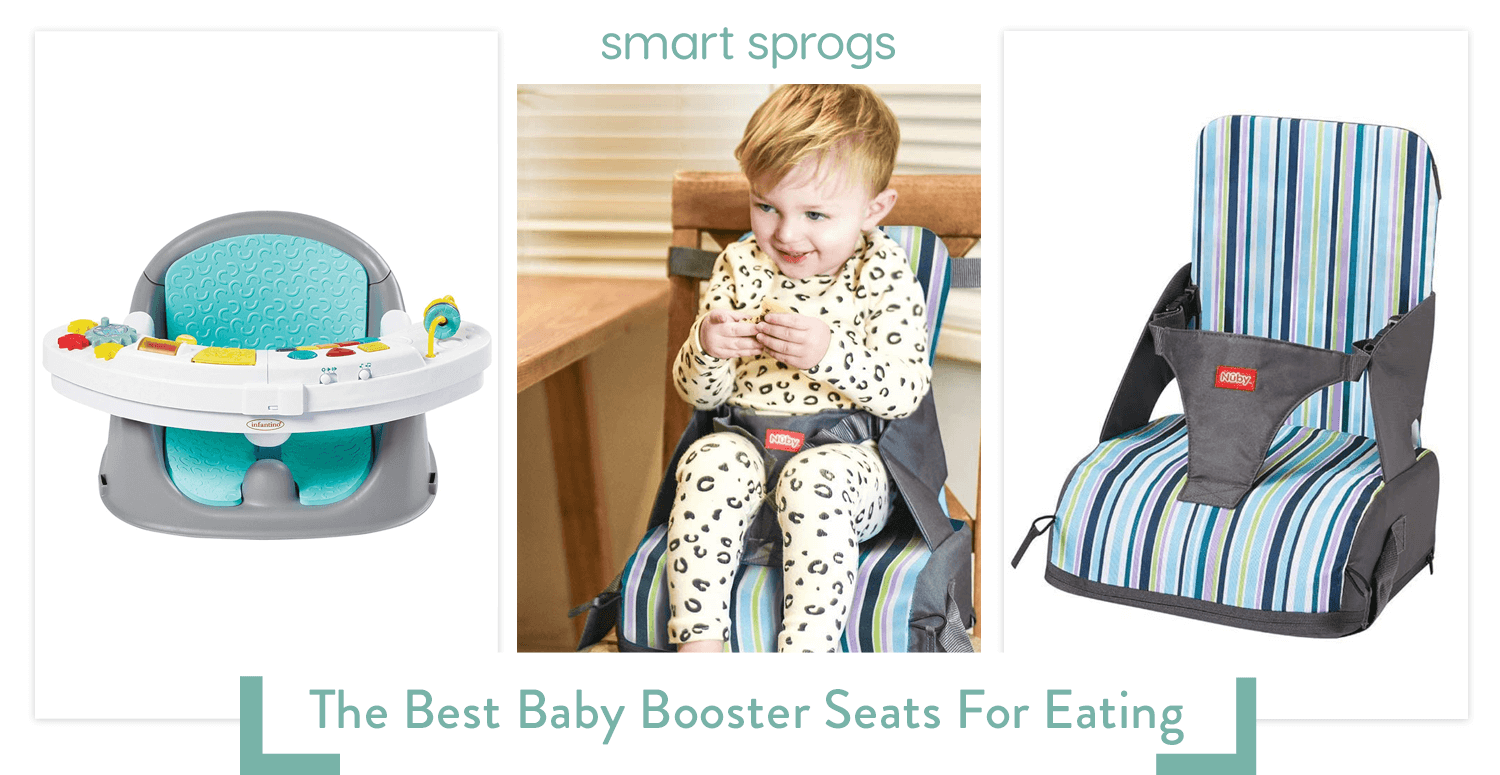
  • The best baby booster seats for eating

    As a loving parent who wants the very best for their growing child, it can be difficult to know which products to buy. There is such a huge amount of choice that decisions can become overwhelming. 

    Hopefully, this useful guide to the top-rated toddler and baby feeding seat options will take the stress away and you will be able to focus on the more important and fun task of inventing nutritious recipes and exciting table top games for your little one. 

    Best feeding booster seats

    Decided that a booster seat is the right choice for your baby? Here is a shopping guide to our five favourites! 

    The pros of booster seats

    A highchair is a tall chair which stands placed on the floor on its own legs. A booster highchair seat is a short seat that needs to be attached to an existing dining chair. Both a traditional highchair and a chair booster seat can be used from around six months or whenever your sweetheart can confidently hold his or her head up by themselves. 

    Here are some of the excellent reasons why you might choose a table booster seat for dining table meals instead of a highchair. 

    • Booster seats are versatile. Most can be used up at the dining table for meals and creative play or popped on the floor as a secure play and relaxation seat. 
    • They may not be as roomy as a highchair but they are portable so you can use them throughout the home. Some can even be folded up and used for travel, visiting friends and relatives or eating out at a restaurant. 
    • A booster is much easier to clean thoroughly than a highchair. If it gets really yukky, just take it to the bathroom for a good hose down with the power shower. 
    • Their size makes them a great option for a small home or dining room/kitchen. 
    • If you are on a budget, a booster seat is a much cheaper option. Even the most luxurious cost £60 at the most and good quality mid-range products will be £20-£25. 

    Find the best baby booster seat and the best toddler booster seat– the features you should be looking for. 

    • A toddler booster seat for eating needs to be easy to clean, during weaning and creative play, things can get messy! Look for a seat that has few nooks and crannies, is dishwasher safe and has removal, washable covers. 
    • A high chair booster seat should be light and compact. You could decide to buy a sturdier one for permanent mealtime use at home and a portable one for visiting, eating out and holidays. 
    • Pick the correct product for the age of your child. A baby chair seat will have lots of safety features. A toddler booster seat for table eating may just be a piece of wipeable foam that lifts a slightly too small child to the correct height for enjoying a meal with their family. 
    • Some boosters come with a removable tray, if this is the case then the ability to give it a hot wash in the dishwasher is a brilliant feature. 
    • Any plastic should be certified BPA free. 
    • Lots of adjustability in the harness and attaching straps means it will fit most ages of baby and designs of chair.  
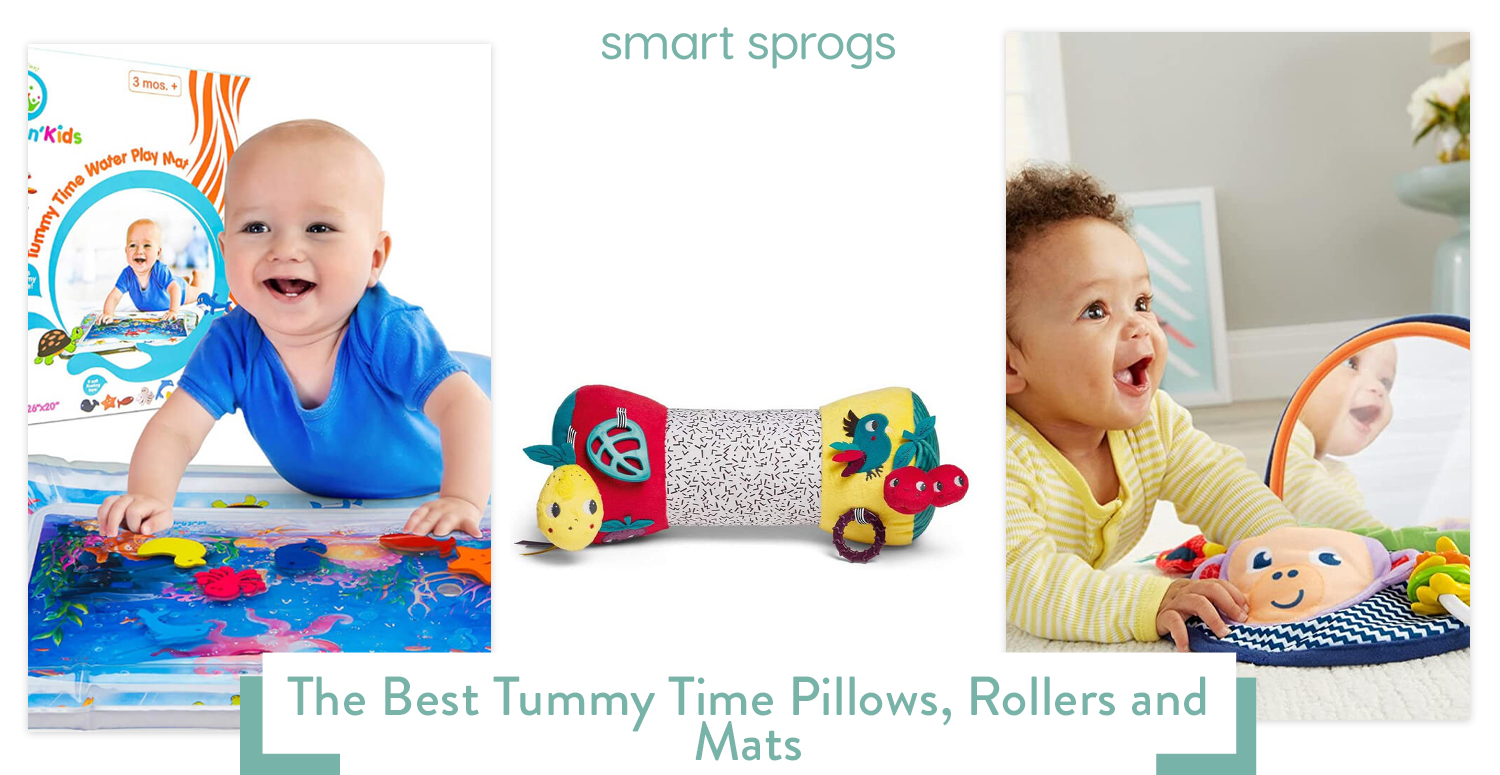
  • The Best Tummy Time Pillows, Rollers and Mats

    Tummy time is when your baby is placed on their tummy when they are alert and awake. A tummy time activity toy is a lovely way to make this important development time more fun and interesting for your little one. 

    Our shopping guide to the best baby tummy time toys

    There are lots of high-quality toys being offered by trusted brands. Many will be very similar to each other so it can be difficult to choose the best. Here’s our helpful guide to our favourites, we know that you and your baby will have hours of happy fun with them.

    The importance of tummy time

    Tummy time is important as it helps your baby to build and strengthen the muscles that they need for sitting and crawling. They will learn to lift their shoulders, head and neck to get a better view of their fascinating new world. 

    Eventually your curious child will begin to reach for the textures and colours they see on their tummy time mat and the vital act of play will begin. 

    Increasing tummy time, as baby begins to enjoy it, will also mean less time on their backs. This will help with flat head syndrome. 

    When is a baby be ready for tummy time toys? 

    Tummy time can begin from birth, simply lay down and place you baby on your chest. Just make sure you’re not likely to drift off to sleep! 

    When using tummy time toys for babies always ensure your bundle of joy is also awake and alert. Stay close and keep engaging them so they reassured. 

    Build up tummy time slowly. Little and often is key. Start with them laid on a soft and snuggly blanket or play mat. Chat to them and stroke their faces to make it a bonding and soothing few moments of the day. 

    Some babies hate it and will squawk in indignation. Just try it for a minute or so and distract them with their favourite toy or try it when they have just woken from a nap or had a nappy change. 

    Use a tummy time pillow or a rolled-up blanket under your baby’s armpits if they struggle to lift their head and find that distressing. This will also give them a better view of the possibilities around them. 

    Place a toy just out of reach to encourage them to reach and grab. This builds fine motor skills and hand/eye co-ordination. 

    The best tummy toys for each stage

    A play mat – these can be bought individually or as part of a set with a mobile that sits above. Look for soft and washable fabrics in a design that you love. Unusual textures such as crinkles and crackles, an unbreakable mirror and toys that are there to be reached for and grabbed. 

    A roller pillow – see below for how to get the best of this type of toy. 

    A fold out unbreakable mirror– this is a classic, prop your baby in front of the shiny, glittery surface and they will be a thrilled with the gorgeous creature that is staring back at them. 

    Water pat mats – an inflatable mat at is filled with water, glitter, floating toys and bubbles. It will also be a fab toy to use in a highchair. 

    How to use a tummy time roller

    There a couple of types of tummy time roller and they will suit a variety of ages and development stages.

    • Some roller tummy toys UK manufacturers design are soft and pillow like. 
    • They can be used to prop your baby if they are struggling to hold their head up.
    • They have fun activities such as mirrors, texture patches and contrasting colours. 
    • Baby can also use it to lean back on once tummy time is over. 
    • When he or she is older and has gained strength, the roller can be pushed, pulled and flipped over.

    For older babies there is a different kind of roller.

    • They will be bigger to suit an older baby. 
    • It will be round and shaped to move easily so baby will be encouraged to wriggle and eventually crawl after it. 
    • Sometimes the toy will make music or produce sounds as it rolls along, this teaches your baby will learn about cause and effect. 
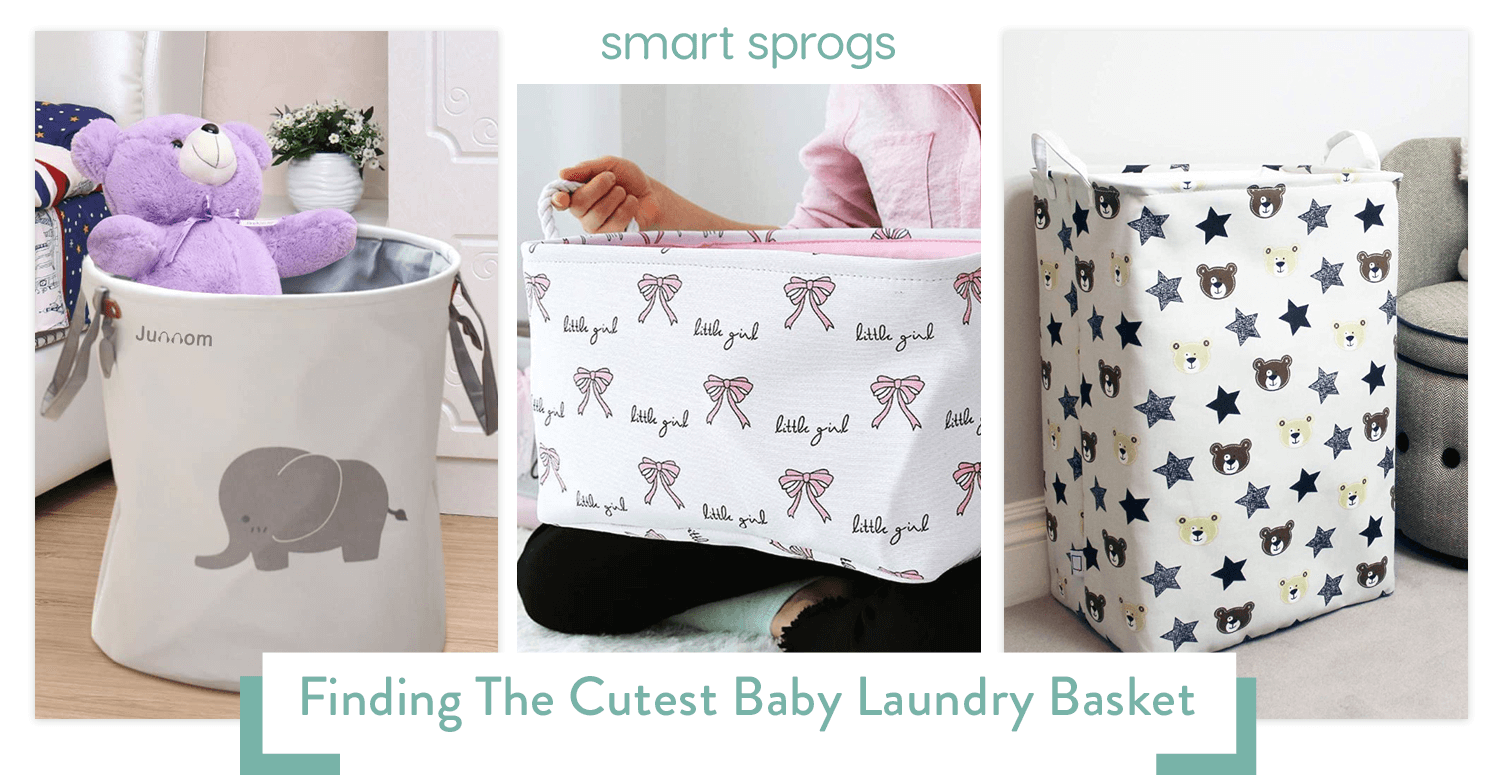
  • Finding the cutest baby laundry basket for your nursery

    One of the most exciting parts about being pregnant is buying all the baby items ready for our little one’s arrival. Such as clothes, furniture and even laundry baskets! We can spend hours browsing through all these sweet items for our little ones, so many choices are available, it is just pure cuteness overload! 

    We all love the idea of having the perfect nursery or bedroom for our children. Decorated with the best furniture and little knick-knacks to create a fun and friendly environment for our little ones to spend their time in. 

    Laundry baskets are a must-have essential with children. It’s especially at a young age where they can go through more clothes in a day then us grown-ups do in a week!

    I selected in this article some of the cutest laundry baskets for your children’s rooms. With such a huge variety available, you can easily find the ideal children’s washing basket to suit yours and your child’s every need.

    Here are some of our favourite baby laundry baskets

    Other recommended products for storing children’s laundry

    Top tips when buying a laundry basket for your children.

    1. Make sure you buy one at the most suitable size for your requirements. Not only for the room it is going in but also the amount of laundry you feel will need to go into your basket as you do not want an overflowing basket.
    2. If you are planning on transporting your kid’s laundry bag too and from the bedroom to the washing machine, you would want to look at a basket or bag with carrying handles.
    3. If you are planning on placing dirty clothing that may have food or other spillages in your kid’s laundry basket then you may want one that is waterproof or washable.
    4. If you find yourself short on space or simply do not want a laundry basket around all the time then a collapsible basket or bag would be a fantastic option for you. So you can easily put it away in storage when not in use.
    5. Always make sure your basket or bag is safe, and it can not potentially cause harm to your children.

    There is a fantastic range available, especially at online stores such as Amazon and eBay where you can find many different nursery laundry baskets or bags at affordable prices in a great choice of designs, colours and sizes. 

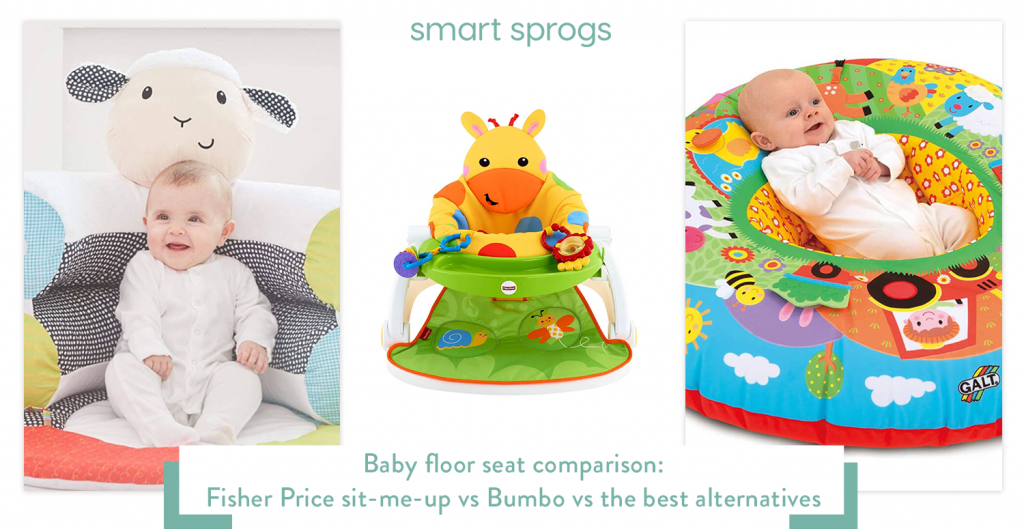
  • Best baby floor seat: Fisher Price sit-me-up vs Bumbo vs the best alternatives

    When you first bring your baby home and stand gazing at them snuggled in their crib, it’s difficult to imagine a time when they won’t be that heart achingly helpless. 

    But as the weeks pass, they will kick their legs, roll over and start to enjoy tummy time. A favourite toy will make them grab and giggle. These are golden days as every movement teaches them what their little bodies are capable of, and it is incredibly exciting to watch. 

    So, when do babies start sitting? When is the best time to prop him up and let him see the world from a new and fascinating perspective? When do babies sit unsupported without the need for a sit and play seat? So, many questions and all will be answered in this useful guide.

    How to help baby sit up – the best baby floor seat for your growing child

    We’ve done the research for you and tried everything from a baby doughnut to baby chairs from 6 months. The results are in and these are the best baby sitting up aids and chairs for babies on the UK market.

    When do babies start sitting up?

    Babies can start to sit up from 3 or 4 months old. As soon as she starts to lift her head and take an interest in life from a different vantage point then she can be propped up to enjoy the view. 

    An inflatable baby floor seat designed like a giant doughnut is a perfect starting point to help your baby sit up. It will have plenty of padding and can be used for tilted tummy time too. 

    When can very young babies sit unaided? In the early stages Mummy and Daddy will need to stay close by to keep ‘propping’ but it is amazing how quickly her confidence and strength will develop when using a baby sit me up ring. 

    How to encourage baby to sit up 

    Many first seats for babies have toys attached or multi-sensory patches built into the fabric. These keep them entertained so that they happy to sit for longer. It not about knowing how to teach baby to sit up, it is more important to let them decide when they are ready and then simply encourage it. 

    A baby activity seat such as the Bumbo is great as it places your child in a safe and secure spot while positioning their body in a way that builds their muscles to support them in an upright position. 

    When can a baby sit up without support or a sit and play seat?

    When do babies sit up alone? It is a stage by stage process that is a delight to behold. Their little faces are joyous as they make independent grabs for toys and watch the people who they love. 

    The stage after the ‘leaning’ stage will begin at 5-6 months. Your poppet will start to sit with their hands propping them up in front of them. Toppling is normal and natural so only ever let them do this on the floor and maybe provide a few cushions for a soft landing.

    You will find that sitting up aids for babies aren’t usually needed after 9 months. That is when neck and core strength will have developed fully. 

  • Best Strapless Nursing Bras

    One of the great joys (and annoyances!) of breast-feeding is having much bigger boobs than normal. Most women will go up at least two cup sizes! 

    The best nursing bras for strapless dresses

    In all honesty, there are only a few strapless nursing bra UK retailers sell. We’ve done the groundwork and found the best of what there is to choose from. You’re welcome! 

    When to get measured for a nursing bra

    Nursing bra shopping will be required a few weeks after your baby has been born. 

    When a breast-feeding routine has been established and your milk supply has regulated, your boobs will have grown as much as they are going to and your tummy will have begun to get smaller. This is when it’s time to get measured. 

    Having a proper fitting with a bra specialist in shops such as Bravissimo, Marks & Spencer or John Lewis is very important. 

    Why would you need to invest in a strapless nursing bra?

    So, what happens when you have a May Ball or a summer wedding to go to? Have you fallen in love with a gorgeous strapless dress that would be PERFECT if it weren’t for your enormous new boobs?! 

    And what about your beautiful but VERY hungry baby? A spaghetti strap dress for hot days won’t work with a ‘supportive but matronly’ nursing bra and a baby who needs to latch on. 

    Maybe you have lots of lovely camisole tops or holiday styles you’d love to wear but would look ugly with your standard nursing bras? 

    A fantastic strapless nursing bra is exactly what you need when buying and wearing dresses to breastfeed in. Yes, they do exist. There aren’t many it’s true but there ARE both bandeau and multi-way styles to choose from.

    But first! Here’s a strapless bra trick or two to consider when shopping:

    Buy a strapless maternity bra with a smaller band size than you usually wear. The tighter band will act as extra support to keep your boobs high and happy. This is advice from the gorgeous model, Ashley Graham who has lots of experience of both motherhood and dressing DD+ breasts. 

    Choose a maternity strapless bra that has removable straps such as a multi-way. Remove both straps, then take one and wrap it round where your bra will sit on your ribs and secure it. This will add stability and lift without getting in the way of the drop cup and your baby’s feed.

    Looking for a more sporty bra to stay active? Have a look at our favourite sport nursing bras! 

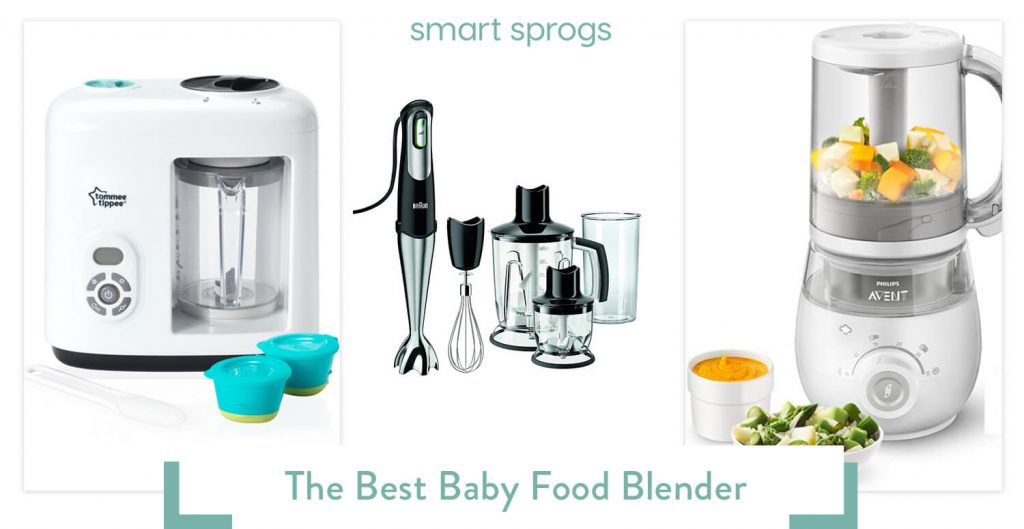
  • The Best Baby Food Blenders

    Weaning your baby can be a time of anxiety for many parents. Knowing when to start, what food to prepare and how to supervise your baby’s meals is confusing, especially when everyone will have a strong opinion on what you should do.  

    Our shopping guide to the best baby food blender

    Here’s a quick guide to the best food blender UK retailers sell. We’ve tested these on our own homemade baby foods and sourced reviews and opinions on the best food blenders from friends and family who have little ones. 

    A step-by-step guide to weaning your baby

    When to start weaning your baby

    Advice from the NHS is that babies should be weaned from six months of age. A good general rule is that they should be able to sit up independently, have an increasing interest in the food you’re eating and be losing the ‘tongue thrust’ reflex which will make them immediately spit out food. 

    Methods of feeding

    Spoon feeding 

    This is the traditional method of weaning and was used when babies were introduced to solids at four months. Parents spoon feed their baby small amounts of pureed food. Smooth textures will reduce the risk of choking. 

    In a few weeks you would start to introduce lumpy food and increase the size of the chunks as they (and you!) become more confident. Use a baby blender and steamer to control the texture of the food you present. 

    Eventually your pride and joy will learn to use the spoon by themself and put chunks of food in their mouth with their fingers. 

    Baby led weaning.

    This is an idea that has become more popular in the last few years. You give your tiny tot pieces of lots of different kinds of foods and let them decide what they like and how much they want to eat. Stay with your baby throughout mealtimes and seek guidance on how big the pieces of food should be. 

    Chunky purees should also be on the menu for your baby as stews, soups, sauces, goulashes and mashes are a staple part of our diets. Use a baby blender to prepare small, experimental portions. 

    BLW is a messy process and, at first, it will feel as though all the food is wasted but stick with it and very soon your clever and determined little one will be picking up food, putting it their mouth and chewing with great pleasure. 

    How to cook the food

    The best way to cook your baby food is by steaming. This method cooks evenly, without boiling and keeps all the nutrition inside the food. Boiling releases the ‘juices’ and vitamins and minerals are often washed away in the cooking water. 

    What your baby should eat

    There are no rules other than to introduce foods that may cause an allergic reaction individually, slowly and in small amounts so you can watch for a reaction. This includes cow’s milk, eggs, nuts and peanuts, seeds, foods with gluten in, soya, fish and shellfish) 

    Try your baby with savoury veg and mild fruits first. Broccoli, parsnip, potato and pear are all great options. This stops them developing a sweet tooth. Banana, carrot and sweet potatoes can be included with pasta and bread something you try after a few weeks. 

    First foods – a kit guide 

    Highchair 

    Choose a high chair that is comfortable, safe and supportive for baby and is also at the right height for you to feed them and for them to sit at the dining table. Take a look at our selection of handy highchairs for your toddler.

    Splash or Messy Mat

    This is essential! Invest in a snazzy apron for you, your partner AND the dog because things are about to get messy! Babies who are experimenting will throw food, squish it between their fingers, put it in your hair during a hug and get in every nook and cranny of their highchair. 

    Spoons and Bowls 

    If you’re looking for cute accessories to go with your baby blender, Asda Little Angels have lots of great value options. Here’s what you’ll need:

    • Soft grip, baby sized spoons.
    • Soft grip forks for older babies. 
    • Small bowls that can be attached with suction to the highchair tray or table. 
    • Place mats that can be attached to the highchair tray or table. 
    • A soft grip ‘sippy’ cup to for water during mealtimes. 

    Bibs – here’s what to consider

    • Robust Velcro fastening. 
    • Big! Choose ones that cover little arms and torsos. 
    • Consider a buying a full body splash suit and take the highchair outside! 
    • Buy lots! They will need washing A LOT! 

    A sense of humour 

    This is an essential item that you’ll NEED as an accessory to your new baby food blitzer. Try and relax about the whole process. Your baby won’t always enjoy the food you’ve lovingly prepared. Your home will have banana stains in strange places, and they will ALWAYS be discovered your mother-in-law. It’s a long, fun process and hopefully by the end of it you’ll have a toddler who adores all kinds of food.