Category: Conception & Pregnancy

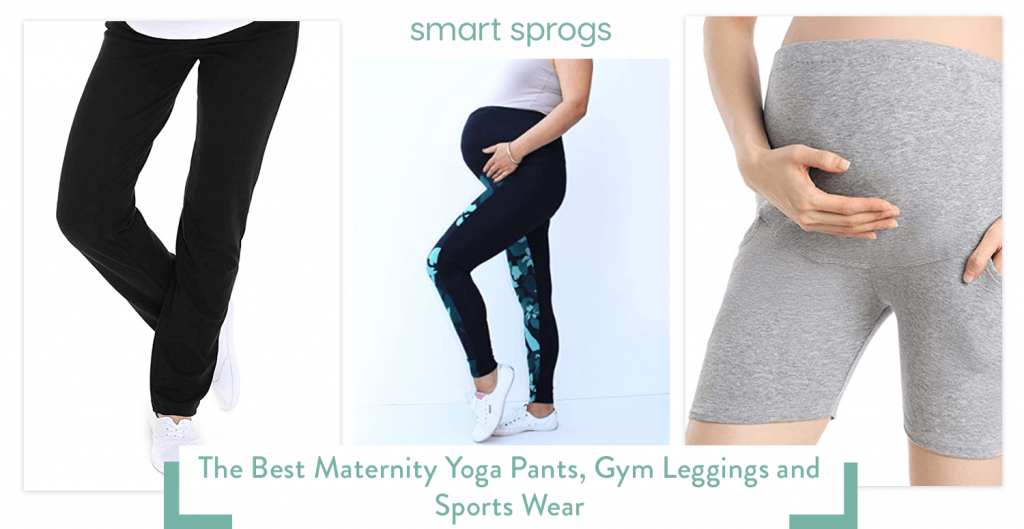
  • The Best Maternity Yoga Pants, Gym Leggings and Sportswear

    Pregnancy is a challenging time for both the body and mind. There are a huge number of changes to cope with. Emotions are high and energy is low, it can be overwhelming. 

    If you are a lover of fitness it will be important to you to maintain your routine and exercise is fantastic for pregnant women for lots of reasons. 

    But what to wear?! Comfort is key and hopefully this guide to maternity sportswear will help you to find some supportive and soft pieces that you’ll adore wearing. 

    A shopping guide to the best maternity activewear 

    The best maternity leggings have been found! Read all about and buy the most loved maternity gym wear UK retailers sell. 

    Maternity yoga pants

    Maternity gym wear

    Maternity Sportswear 

    Why wearing your maternity fitness clothes for actual exercise is important!

    So, with our help, you have discovered maternity gym clothes that are a joy to wear. Here’s a little motivation to use them for what they were designed for. 

    Faster recovery post-birth 

    All women, babies and births are different, so it isn’t guaranteed, but a good level of fitness is helpful in the post-birth phase. 

    Lower blood pressure 

    High blood pressure can lead to a dangerous condition called Pre-Eclampsia. Exercise is a good way to reduce blood pressure in most people so it’s a useful tool for pregnant women too. 

    Has a positive impact on mood 

    There is a mass of evidence to show that keeping fit is excellent for mental health. Pregnant women can suffer from anxiety, low mood and irritability. The endorphins produced by exercise will help ease these conditions and help to prevent Post-Natal Depression. 

    Better quality sleep 

    Many women experience insomnia in pregnancy. Often, it’s due to being uncomfortable sleeping with a bump or experiencing heartburn. 

    Studies have shown that ladies who exercise regularly (but not before bed!) drop off quicker and enjoy a deeper sleep. 

    Relieve constipation 

    Constipation and piles are a delightful part of being an expectant Mum. Regular exercise will help with an irregular bowel. Some women report that a 30-minute walk can produce miraculous effects on days where they ‘struggle’. 

    Help with tiredness

    It may seem weird but if you’re feeling fatigued, donning your maternity walking trousers and going for a brisk walk will perk you up! Never exercise to the point of exhaustion but doing no exercise at all can make tiredness worse

    The amount and type of exercise

    The minimum recommended amount of active time to aim for is 150 minutes a week. This can be split however you wish and if you’re new to exercise should be built up to over a few weeks. 

    Treating yourself to some gorgeous new maternity exercise clothes is a great way to begin your new routine. Looking good will help your confidence and you’ll soon be power walking round your local area. 

    If you already have a fitness regime, chat with your coach or personal trainer about what modifications you might need to make. 

    New gym bunnies can happily and safely enjoy the following:

    • Yoga that is led by a trained Yogi
    • Walking
    • Gentle jogging
    • Gym classes under the supervision of a qualified teacher
    • Dancing – wearing colourfully patterned maternity exercise leggings will make you want to dance every time you put them on!
    • Swimming

    Know your limits 

    You may be wearing the most beautiful and comfy maternity yoga leggings, but you still need to be aware of your body’s limits.

    Before you rock up to a fast-paced HIIT class in your brand-new pregnancy gym clothes, it’s important that you discuss your fitness plans with a midwife.

    It’s a good idea to avoid taking part in these activities:

    • Contact sports such as boxing 
    • Horse riding
    • Skiing
    • Gymnastics
    • Weightlifting unless experienced and supervised by a coach

    In the unlikely event that you experience any of these symptoms stop exercising immediately and consider speaking with your GP.

    • Light-headed
    • Feel contractions
    • Become short of breath
    • Notice vaginal bleeding or fluid leakage
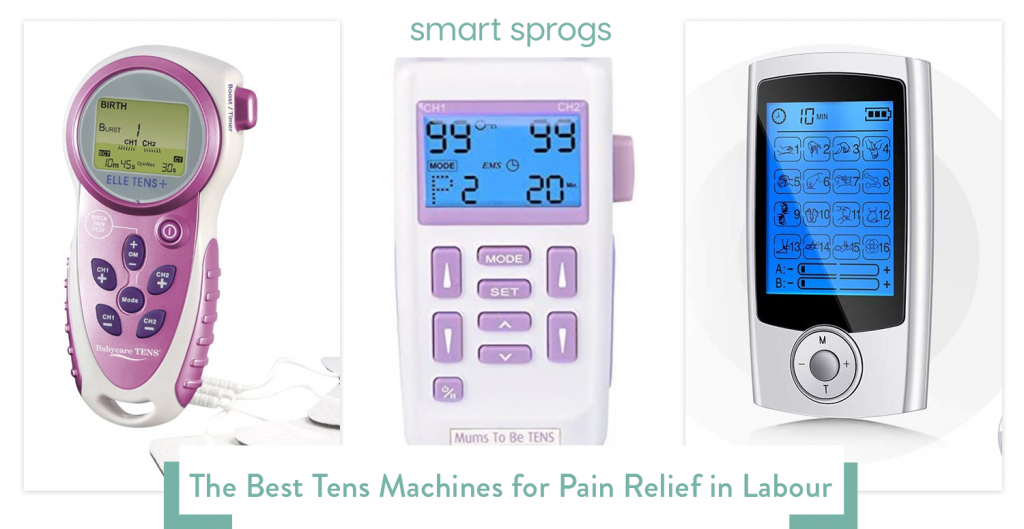
  • The Best Tens Machines for Pain Relief in Labour

    What is a TENS machine? It’s a clever system which provides non-invasive, controllable pain relief using Transcutaneous (through the skin) Electrical Nerve Stimulation. 

    This article will help you to decide which TENS machine is the right type for you. The best TENS machines and their pros and cons are listed below.

    Shopping guide to the best TENS machine UK retailers sell

    We’ve put together a comprehensive guide to the best tens machine. Based on personal experiences and tens machine reviews, we hope it will make your decision a little easier. 

    How do TENS machines work?

    TENS technology is where nerves are stimulated through the skin via carefully placed electrodes. The electrical pulses are easy to control and help to block pain messages, trigger endorphin release and improve the circulation of blood in the affected area. 

    A TENS machine for back pain will be a source of comfort for ladies who feel their labour pains in their back. Butterfly shaped electrodes or four smaller pads placed in a rectangle (following the user guide!) will give maximum relief. 

    The level of TENS pain relief is decided upon by the user as labour pains increase in intensity and frequency. This provides a, much needed, feeling of control for many women who feel anxious and powerless during the birth of their baby. 

    When a Mum-to-Be arrives on the labour ward she will have access to an NHS tens machine but buying her own may mean she can happily remain in her own home for longer. 

    TENS machines – the features you need to consider

    To decide upon the best tens machine for labour have a good look at each TENS machine review. You’ll get some useful tips and know which products to avoid. 

    Some machines aren’t suitable for labouring Mums. The TENS machine for labour reviews will stand out from the ones which are specifically for non-obstetric pain relief. 

    If you have a pace-maker then consult your midwife and/or GP before using a TENS machine. 

    Portable TENS machine

    A wireless tens machine is fab for the early stages of labour as you can wander around the house, go for a walk and look your other children without getting tangled up in electrical leads. A wireless tens machine is also a convenient, wearable option if you have plans to use it after labour. 

    Rechargeable TENS machine

    One of the best TENS unit features is not having to find, shop for and replace batteries. A good quality rechargeable machine will last for eight hours per charge. 

    Dual channel TENS machine

    Dual channel functionality means that you can have two levels of electrical current at the same time. 

    Warmth – a heated TENS machine

    Hot water bottles, microwavable wheat bags and warm baths are wonderfully soothing ways to ease pain. A TENS unit for back pain that has warming capability gives a second, comforting layer of pain relief. 

    Size – a mini TENS machine

    TENS machine pain relief on the go is entirely possible with a compact Mini TENS. They can be worn under clothes, stored easily and transported in your handbag. 

    TENS digital pain relief unit

    A digital tens pain relief machine will be easy to use and control. A large, clear screen will show the level of current, battery life and give easy access to the Boost button. 

    EMS functionality

    Electrical Muscle Stimulation can be found as an additional function on some TENS machines. People who buy TENS machine pain relief systems with EMS will use it to contract individual muscles. This strengthens them, reduces inflammation and increases blood flow. 

    Should you buy or hire a TENS unit? 

    You can find tens machine to buy on the high street, in supermarkets and on the internet. So, why would you buy tens machine for labour?

    Alternative tens machine uses include sports injuries and regular back pain. If you or a member of your family would benefit from the powerful relief a TENS machine will provide, finding TENS machines for sale is a no-brainer. 

    You can easily find a TENS machine for sale at very reasonable prices. There’s no need to invest anything more than £40 if you’re only thinking to buy TENS machine pain relief for your labour. 

    Renting can be a faff and cost as much as buying. Working out the rental length and dates is tricky and in the first chaotic weeks of motherhood returning a used machine can feel onerous. 

    Where can I buy a TENS machine on the high street?

    Boots – the Boots tens machine reviews are fantastic and at £40 it’s a great price

    Asda – the tens machine Asda sell is digital and dual channel so it uncomplicated and will give two levels of pain alleviation

    Argos/Sainsbury’s – if you’re searching for a cheap tens machine and are in Sainsbury’s Tens machine shopping is made easier with the availability of Argos concessions. Argos have a large range of digital pain relief. 

  • What to expect from your first pregnancy scan

    That magical time is rolling around, your first pregnancy scan! The first time you will ever see your beautiful tiny little bean. One of the most precious exciting moments you will ever have throughout your life.

    It is a complete mixture of emotions. I remember crying so hard at all scans with both my babies. I remember feeling so nervous, excited, happy, scared… a whole different ray of emotions running through me. They are moments I will treasure for my whole life.

    What is the dating scan for?

    This scan is to calculate how far along in your pregnancy you are and to determine an estimated due date for your baby’s arrival. This will not be the guaranteed date but will be a rough guide of when you can expect to go into labour.

    This is referred to as a dating scan.

    This will also show whether you are having more than one baby and to check that your baby is growing in the right place, the heartbeat is healthy and that the baby is developing the way they should be.

    When will your first scan take place?

    Usually, your first scan in pregnancy will take place somewhere between 12 weeks, then again at around 20 weeks. Sometimes you may have a first pregnancy scan as early as 6 weeks.

    Why may you have an early scan at 6 weeks?

    This only usually is the case if you have experienced bleeding or spotting early on in your pregnancy, even though this can be a common symptom, they offer an ultrasound just to rule out potential miscarriage or ectopic pregnancy.

    This scan may also be carried out vaginally rather than on your belly. This is called a transvaginal scan. It is a more accurate way to check on your baby. But do not worry, it should not be too uncomfortable and is just to give you reassurance that your baby is doing well and everything is as it should be.

    Where will the scan take place?

    Your scan will usually take place in your local hospital, the person who will be doing your scan is called a sonographer.

    How to you book your first pregnancy scan?

    Usually, your midwife will book this appointment for you when you have an antenatal check-up with them. Sometime your doctor may book this appointment.

    What health conditions can an ultrasound pick up at your first pregnancy scan?

    Anencephaly – this is the absence of a major portion of the brain, skull, and scalp that occurs during embryonic development.

    Down syndrome – is a genetic disorder, which can cause physical growth delays, mild to moderate intellectual disability, and characteristic facial features. At the scan, this is referred to as a screening test and is completely optional.

    Missing Limbs – your sonographer can see whether your baby has all their limbs, such as arms and legs.

    If there are more health conditions with your baby they will most likely be detected at your later scan around 20 weeks.

    What do you need to think about in preparation for your ultrasound?

    Maternity notes – make sure you take your notes with you, this is vital so your sonographer can write down all the important information that your midwife or health visitor may need to see.

    Comfortable loose clothing – your sonographer will require you to lower your trousers and lift your top to be able to give you an ultrasound so make sure your clothing is not to tight and can easily be adjusted.

    Full bladder – having a full bladder will make it easier and visible for your sonographer to be able to check on your baby as your bladder will move from your pelvis into your abdomen. Do not sit there with a full bladder if it is causing pain though if you need to pee then just pee.

    Parking fee – some hospitals do charge to park in their car parks so make sure you take enough change with you to do able to park and leave if you are travelling by car.

    Ultrasound pictures – some hospitals do ask for a small donation to be able to get copies of your ultrasound. Be sure to take some money with you just-in-case.

    What will happen at your first scan?

    What you will feel

    When you arrive at the hospital your sonographer will take you into a private room, they will likely ask you a couple of questions, for example, how you have been feeling so far throughout your pregnancy?

    They will then ask you to lay down on a bed, lower your trousers slightly and to lift your top over your belly so they have easy access to do your ultrasound.

    Your sonographer will then some paper towels into your trousers, this is just to prevent the ultrasound jelly from getting on your clothing.

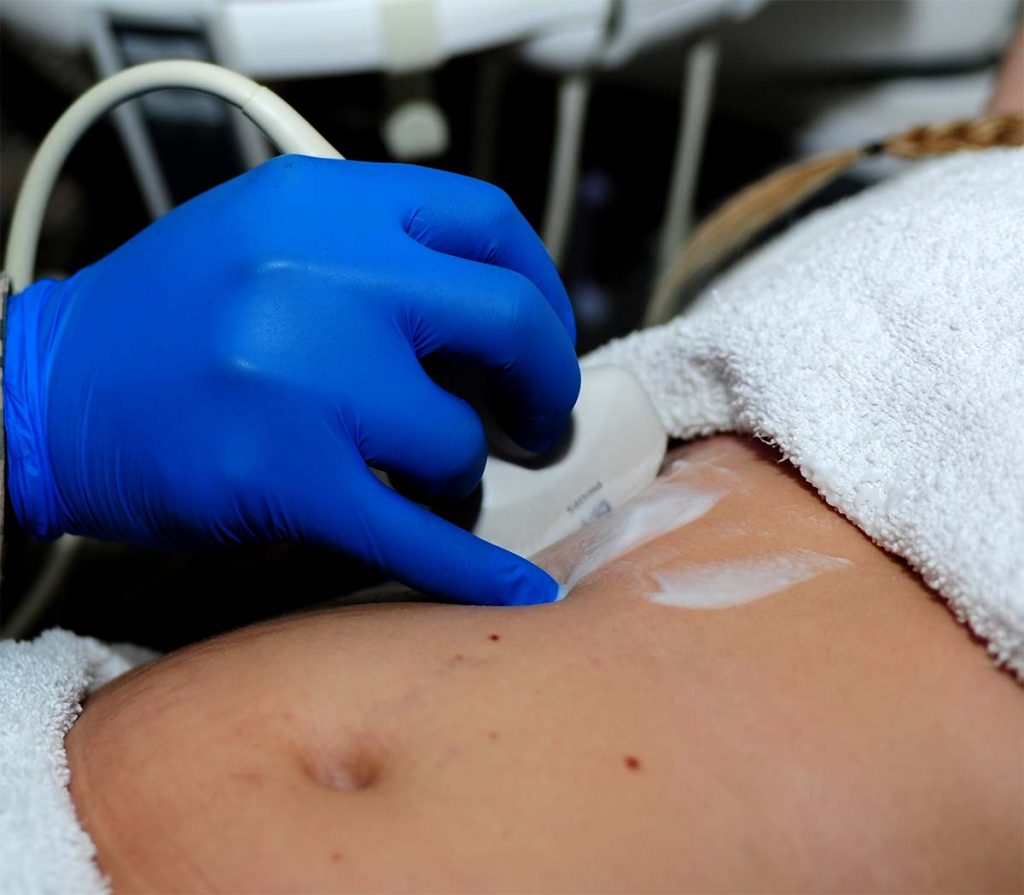
    They will place some of the ultrasound jelly (ECG gel) onto your stomach, this may feel a little bit cold. This gel is used to create a conductive bond between your belly and the ultrasound transducer, which is the device they use to scan your stomach with.

    The device produces sound waves that bounce off of body tissues that creates echoes, the transducer receives the echoes and transmits them to a computer which will then use them to create a sonogram picture of your baby.

    The transducers do come in different shapes and sizes.

    Please note, this is the most common way of doing an ultrasound but in some cases you may have an internal ultrasound.

    Once your sonographer has placed some ECG gel on your stomach, they may darken the room just so your sonographer can see your ultrasound more clearly. They will then begin to glide the transducer over your stomach, this will not be painful at all, it may feel slightly uncomfortable if you have a full bladder but the most you will feel is the coldness from the jelly.

    What you will see

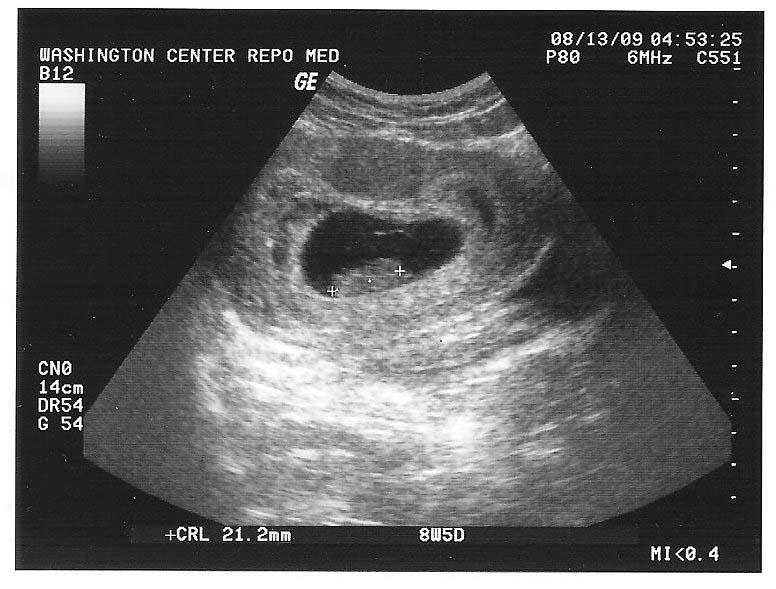
    You will now see your baby pop up on the computer screen and hear their heartbeat, emotional right? This is the moment I burst into tears and sobbed my heart out with both my babies. Seeing and hearing them for the first time is seriously one of the most precious moments you will ever experience throughout your lifetime.

    At this point in the pregnancy, they do tend to look like a little jelly bean so do not feel sad if you cannot work out what part of your baby is what. This is also the moment where you feel find out whether you will be having more than one baby.

    Your sonographer will begin taking measurements of your baby from several different angles, this will help determine your estimated due date.

    During this, they will also capture images for you to take home.

    How long will it take?

    This appointment will generally last 20-30 minutes, sometimes longer if you are having more than one baby.

    Is it safe?

    The ultrasound is also completely safe and will not cause any harm to you and your unborn baby.

    Enjoy!

    Enjoy the moment, this is just the start of a magical journey for you and your baby. Soon your nausea and tiredness will hopefully pass, your bump will start showing, you will start feeling movements and at your next scan, your baby will be so much bigger and more visible.

    Pregnancy has its ups and downs, it can be a complete emotional roller-coaster. But is one of the most incredible times of your life, it will soon fly by and before you know it, your little jelly bean will soon be in your arms.

  • Must-read pregnancy books

    Pregnancy and birth. There are many billions of words to be read about these life-changing subjects.  Blogs, forums, websites, magazines and pregnancy books are all full of advice, fact and a fair bit of subjective nonsense. It is very easy to be utterly confused and bamboozled by it all. 

    So, what and who to believe? As a newly pregnant woman or dad-to-be, you will soon come to realise that EVERYONE is an expert in carrying, birthing and bringing up baby. 

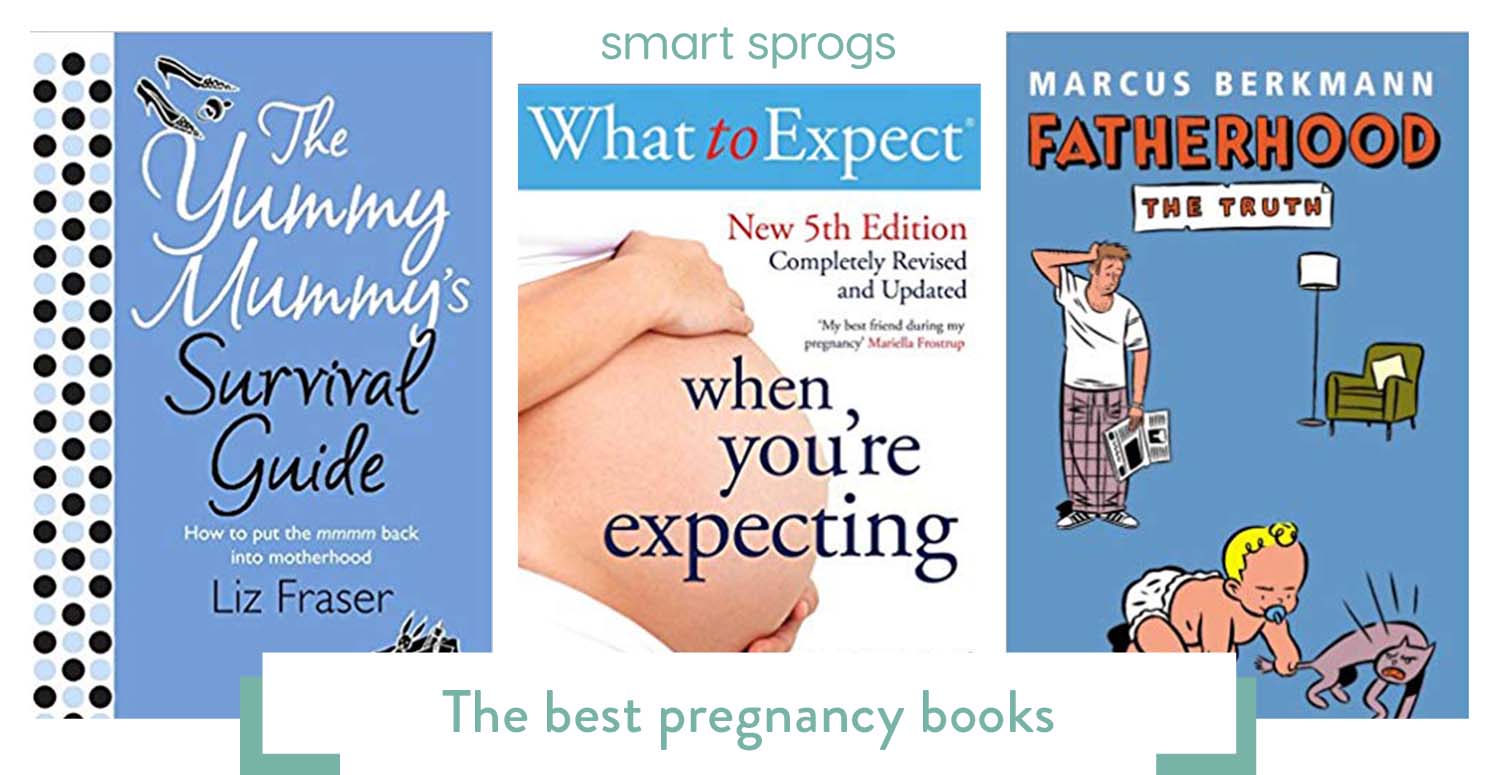
    Here are our top 5 pregnancy books to read when you’re expecting, with all the answers to your questions or worries.

    Our recommended pregnancy books

    How to choose the best pregnancy books to read

    The blue lines on the pregnancy test signal the start of a million questions for first-time mums. Where should you find the answers to the worries that occur at 3am? My go-to tome of knowledge would be a good pregnancy book. The best pregnancy books should be full of the following elements: 

    • Facts from midwives, doctors, health visitors and scientists 
    • Objective useful advice from people who’ve experienced the rollercoaster of new parenthood
    • A sense of humour 
    • The attitude that every mother, father and baby is different and there should be flexibility  
    • Honesty
    • An acknowledgement that baby books for dads should be ‘a thing’ too. 

    Your life will soon become ALL about pregnancy and birth and babies. You will have random moments of panic, sudden urges to check on what your baby looks like in this week of your pregnancy (a pregnancy day-by-day book is perfect for this!) and the need to check that your baby shopping list has all that it should upon it. 

    Good pregnancy books should have all the information you need in one place. Here are some of the other reasons why I would pick books about pregnancy over digital media.

    • A well-thumbed, much loved and trusted book in your handbag will help you feel calm and in control (Even when you’re not!)
    • It’s a keepsake to cherish. ESPECIALLY if it has suspicious stains from the very early days of parenthood
    • You’ll refer to your baby guidebook for the next child. By the time you’re on baby number two, it’s you who’s the expert but a little backup and fact checking won’t hurt
    • Reading your phone or iPad in the bath or before going to sleep doesn’t have the same comforting feel. Or maybe I’m just old fashioned!?
  • Monitor your ovulation with the best ovulation tests and trackers

    Deciding to start a family is one of life’s momentous moments and is both exciting and terrifying. Hopefully, the joyful news will arrive after a few months of happily ‘trying’ and all will be well. 

    Frustratingly, it’s not that simple or easy for many couples and a little outside help is needed in the form of ovulation tracking, monitoring and testing. 

    What is ovulation? 

    Ovulation is when one of your eggs is released from an ovary and travels through your fallopian tubes to your womb. 

    An egg only survives for 24 hours so for you to get pregnant it needs to be fertilised within that time. Sperm can live inside you for around a week so conception can occur on just a few days a month. This is your ‘fertility window’. 

    What are the signs of ovulation? 

    The signs of ovulation are usually clear if a woman is looking out for them. Many hopeful couples wonder ‘Can ovulation tests be wrong?’ and use these indicators as another way to know when the best time to test for ovulation is. 

    A positive OPK test and a few of these indicators below are perfect signs that you and your partner should increase your ‘efforts’.

    • Temperature changes
    • Hormonal changes 
    • Breast pain or soreness 
    • Changes in vaginal mucus/discharge 
    • Light spotting
    • Pain in one side of the pelvis
    • Heightened sex drive

    The best ovulation tests

    An ovulation detector will work by tracking either your temperature, luteinising hormone levels and/or oestrogen levels. 

    Getting pregnant can be unbelievably complicated and confusing. Here’s a quick guide to each method along with our recommendations for products which do consistently well in fertility monitor reviews. 

    Ovulation calculator apps 

    An ovulation test kit can be an expensive purchase and a menstrual cycle app used in tandem with ovulation test strips is a good alternative. 

    An accurate ovulation calendar developed over a few months is a powerful tool in your quest to get pregnant. 

    Tracking ovulation for an increased chance of pregnancy 

    You can increase your chances of conception by tracking when you’re ovulating with a fertility kit. This monitoring of either temperature or hormone changes will give you a good idea of when to take an ovulation test. 

    Are ovulation tests accurate? The best ovulation kit options usually have over 90% accuracy in tests so a false positive ovulation test is rare. 

    Ovulation strips have always been a good, cheap option for women who are keen to get pregnant. How do ovulation strips work? A positive ovulation strip will show you whether you are ovulating after testing your urine. 

    Without fertility tracking, you could go through dozens of strips a month with little chance for planning. Thankfully, there are now, with the help of technology, much more accurate methods of working out when you are ovulating. 

    A digital fertility monitor or ovulation kit with tell you when to do an ovulation test and that positive ovulation test result means it’s time to get busy!

    The best ovulation kit will also give you the information to plan for the next month. The more sex you have in your fertility window the more chance you have of making a baby. 

  • The best maternity pads & disposable knickers after giving birth

    It’s easy to think of what your baby will need in the first few days of their life: bodysuits, pyjamas, diapers…

    But we often forget that we, future mothers, are going to spend a few days at the maternity too.

    Of course, it’s important to provide all the necessary toiletries (soap, shampoo, toothbrush etc.), comfortable clothes… But we will also need specific products, related to delivery, including hygienic pads!

    The best maternity pads

    In short, maternity sanitary pads are essential for the first days after delivery! Expect to have to use them for the first week after your delivery to handle the postpartum bleeding.

    You can use maxi night sanitary towels, but I recommend using maternity pads. They are specifically tailored to the needs of your sensitive intimate parts after delivery, and specifically designed to absorb the greater losses of the early postpartum days.

    Note: Hygienic tampons should be avoided for at least 6 weeks after delivery until the cervix is ​​completely closed.

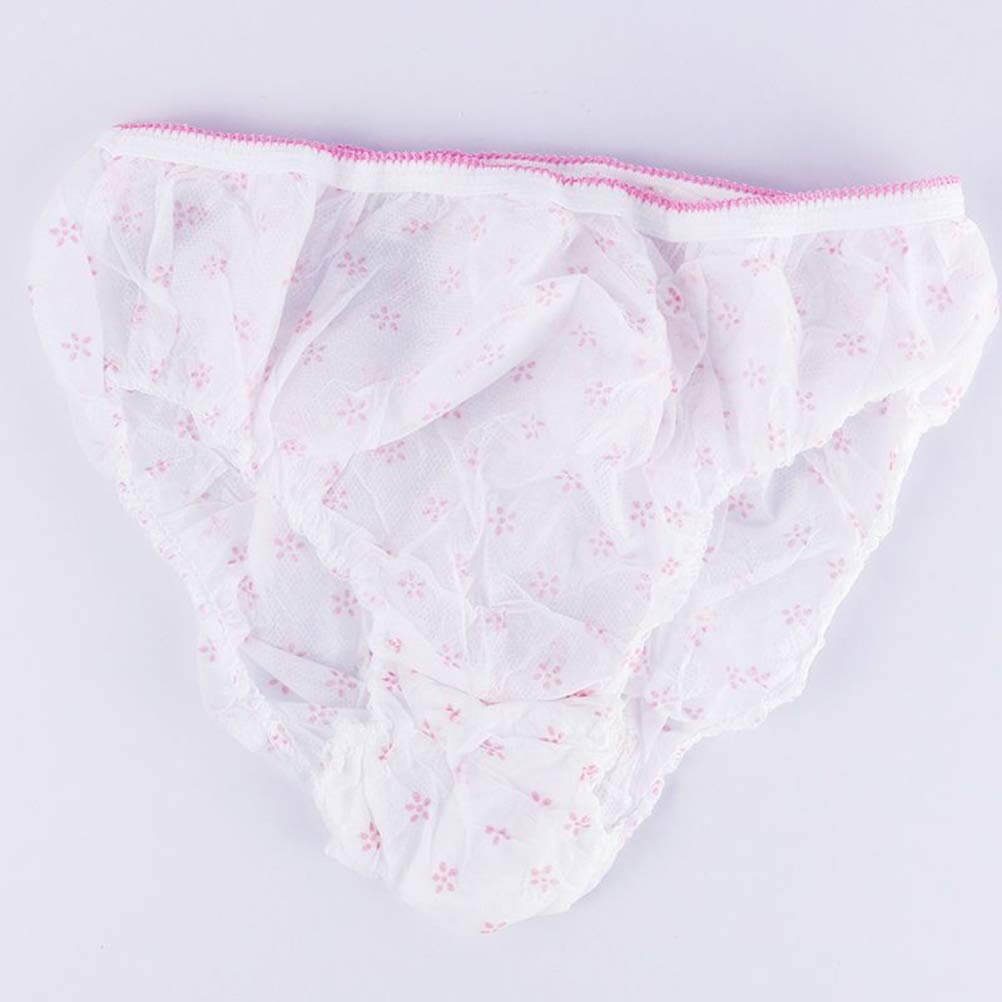
    The best disposable maternity knickers

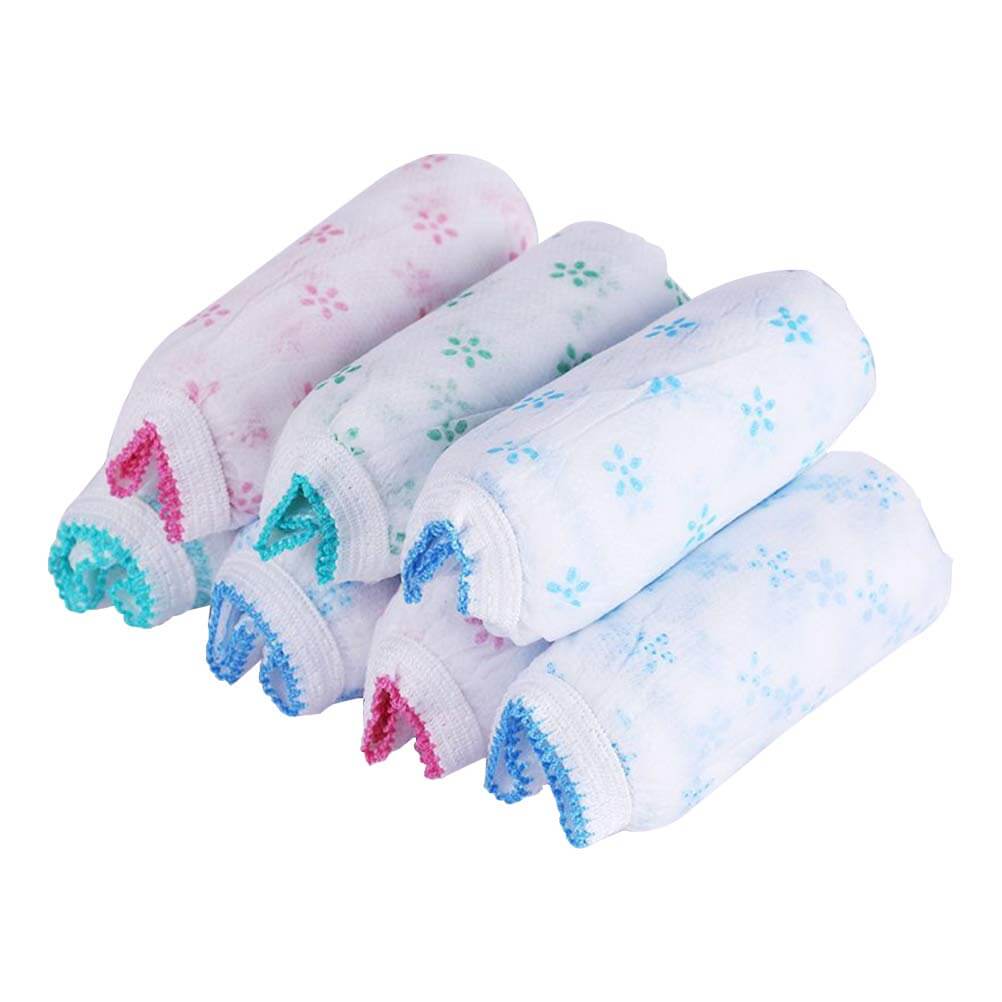
    Small advice, buy a dozen disposable mesh briefs.

    Of course, it is not very sexy, but you will be much more comfortable for the days following childbirth. Especially if you’re curvy, if you had a cesarean section, if you have an episiotomy, or a major tear.

    They’ll probably have some in your maternity, but they may also be out of stock or in low stock and then they will prioritise women that had a C-section.The others had to fend for themselves. You’d rather not rely on the maternity to provide you with this must-have, bring your own.

    Our top choice of flexible and comfortable disposable panties:

    Disposable briefs to avoid

    Not all maternity briefs are equal. Some of them are more comfortable than other and will suit your body better. Avoid if possible this kind of disposable briefs:

    They are not elastic enough to adapt to your movements and morphology. And if you had a C-section, the brief elastic will go right on to your scar.

    Do you really need some special gear for your body after giving birth?

    Short answer: hell yes!

    Let’s be honest, childbirth is not the end of the work for your body. For several days – usually a week – you’ll get vaginal bleeding. These are the “lochia”, composed of debris of mucosa and clots that were not evacuated during delivery.

    These bloody losses are completely normal, every woman has it after delivery. the flow can vary greatly depending on the woman. Some will have bleeding until their first periods following the delivery.

    Because of all the changes and the unusual flow you will need some special accessories especially for the first 48 hours. And having the right gear can make it or break it. You’re already really tired and overwhelmed after giving birth, the last thing you want is to feel even more uncomfortable down there or stain your clothes or sheets.

    In order to prevent leaks and ensure you a good protection, we selected the best products specially designed for the aftermath of childbirth.

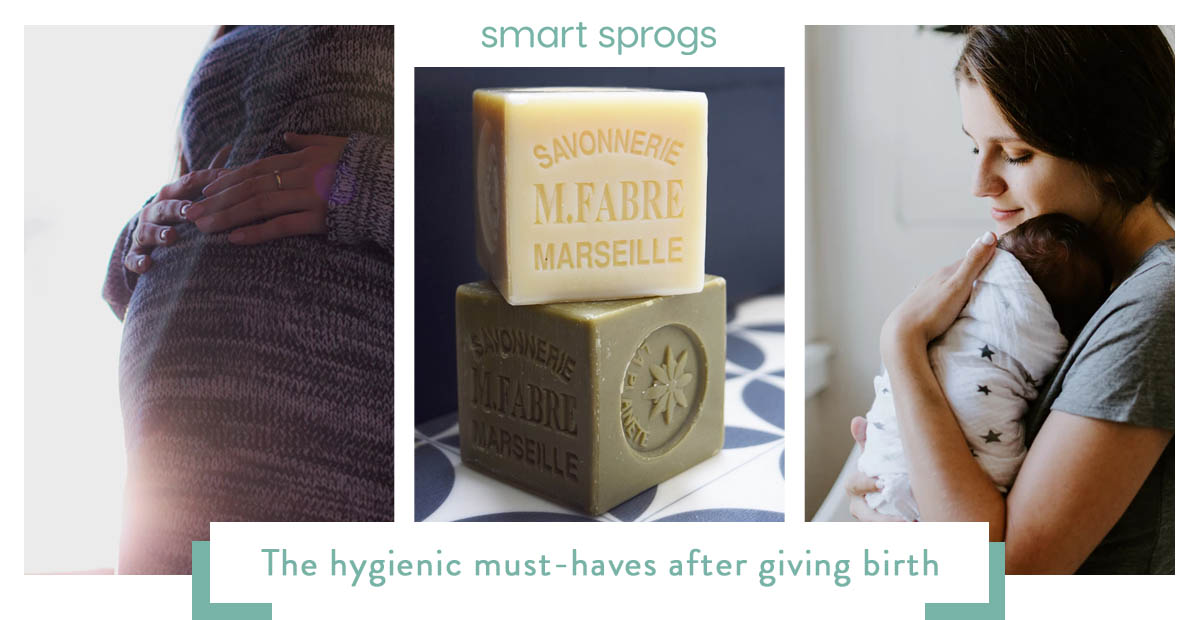
    The hygienic must-haves after giving birth

    If you opt for an intimate soap, I recommend high quality products, such as saforelle or lactacyd femina. It’s more expensive but well worth the price. Your intimate parts are already very sensitive, you don’t want to irritate it products that are too strong or not adapted to your situation.

    Otherwise, the best is a savon de marseille or aleppo soap, fragrance free, and composed mainly of vegetable oil.

    Tips on how to use it

    Leave a bottle or other container that pours well   full of water with your intimate soap near the toilet. This will allow you to easily make a small intimate wash directly above the toilet, after a significant lochia flow.

    Then after the first week, I recommend keeping intimate wipes in your bag just to make sure you can refresh yourself on the go.

    Tips to avoid vaginal infections:

    During the 6 weeks following delivery the cervix is ​​not completely closed. To limit the risk of infection, avoid:

    • Baths (swimming pool, sea, bath)
    • Hygienic tampons
    • Vaginal douches

    Now you know which products not to forget in your maternity bag! Don’t hesitate to comment with more recommendation and tips to face the first few weeks after childbirth.

  • The Perfect Gifts to spoil a Mum-to-be

    Being pregnant is amazing but let’s be honest it’s also exhausting and stressing. So why not treat an expectant mother with pamper gifts that will cheer her up and encourage her?

    Mum-to-be gifts are also brilliant presents to bring to a baby shower too. To often all the gifts are for the baby and not often enough for the incubator, aka the soon to be mum. That’s so unfair, she is the one doing all the work!

    The point is to show that you care about her. I suggest getting creative with your gift ideas for your pregnant friend. To spark your inspiration, here is my top list of mother-to-be gifts.

    Pregnancy gift ideas under £20

    Presents for a future mum under £50

    If you like the pillow idea to offer to your pregnant friend, we’ve made a special article to help you choose the best pregnancy pillow on the market.

    Mum To Be Gifts Above £50

    I hope you found this article useful if you were looking for inspiration for gifts for pregnant women. I think Mum-to-be presents should be much more common practice, just because they make pregnancy that much easier and even more special for the future mum.

    Let me know which one are your favourite. And if your expecting, please share with us what you’d like your friends and family to offer you.

  • Pregnancy Pillow – which one really works?

    Pregnancy, birth and the female body are miraculous. It’s true! I KNOW that morning sickness, metallic tasting tea, bone-deep tiredness and a lack of sleep may not feel very magical, I’ve been there, done that, bought the giant pregnancy pillow. But when you think about how CLEVER us Mums are, we grew a baby for heaven’s sake, it’s hard not to feel like a bit of a hero.

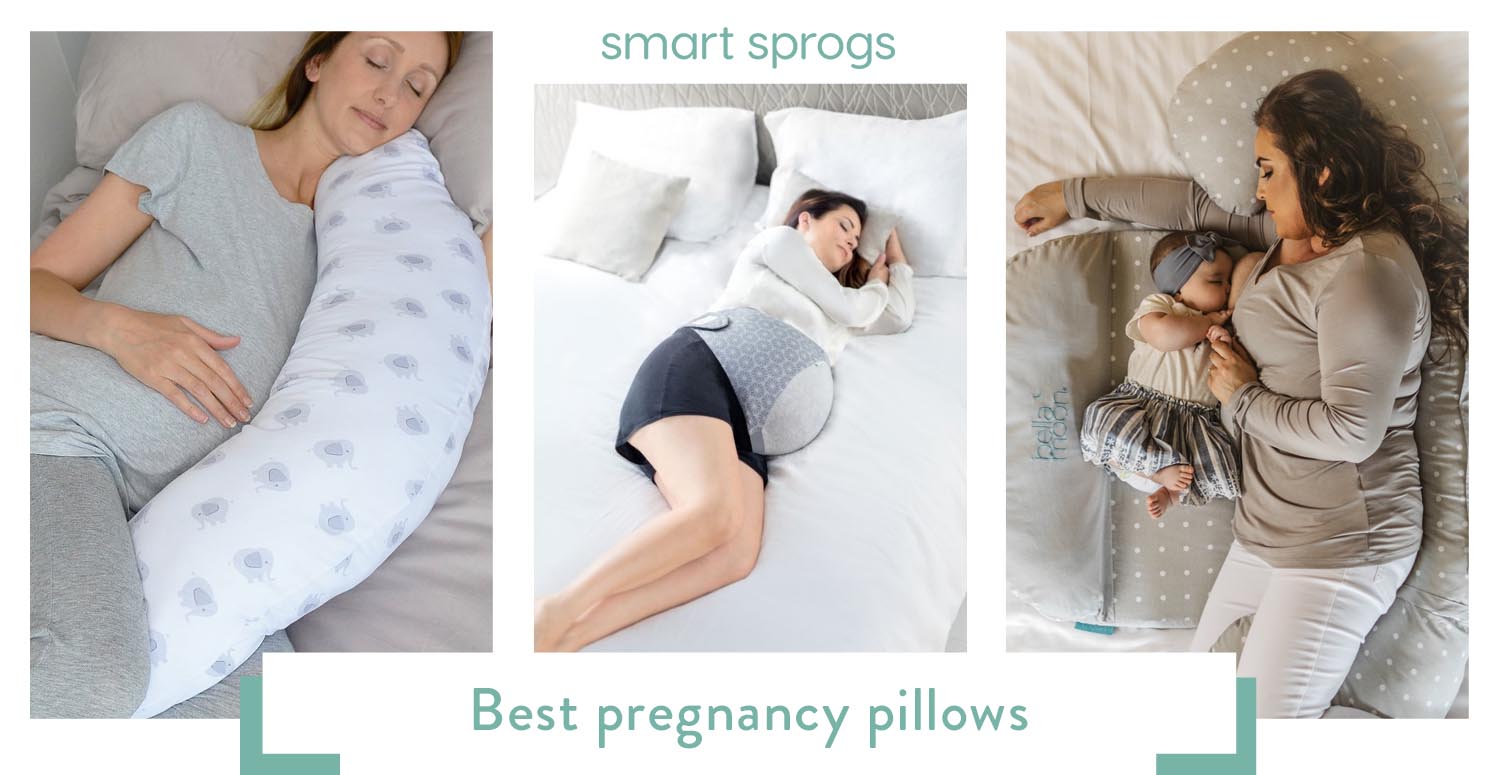
    A pregnant Mum’s astonishing incubation efforts deserve a gift. A present of epic proportions, one which promises better sleep and comfort before and after birth. I insist that you buy a maternity pillow. They are game changers and my squishy cushion of joy is still in use despite children being long past the toddler stage.

    The best pregnancy pillow will perform the following seriously useful tasks:

    • Support your bump during the night and cheeky daytime naps helping better quality, longer sleep occur
    • Provide comfort for sore backs
    • A super comfy pillow option for very new mums sleeping on their tummies after stitches (life saver!)
    • A V-shaped pillow will help you position baby and prevent sore arms during both breast and bottle feeding. I adored this function of my pillow and meant I breastfed both my babies a lot longer than I ordinarily would have
    • Act as a support for baby when they start sitting up unaided
    • General snuggling.

    How to choose the best pregnancy pillow

    The main use for a pregnancy support pillow is to aid sleep. Most expecting mums are guaranteed to have disturbed sleep at some point and that’s because the growing bump gets in the way, makes multiple body parts ache and can’t be taken off or moved around.

    The pregnancy body pillow that is right for you is a question of personal taste. Trying out a friend’s pillow to help you choose is a great idea. If this isn’t possible, then think of these factors.

    Do you have back pain?

    A long pillow between your legs will position your hips and stop painful torso twisting. Alternatively, using a V-shaped pillow to support your neck and back when sitting or sleeping on your back will alleviate back niggles.

    Is sleeping on your side uncomfortable?

    Most pregnant women will find themselves in this position and it isn’t for everyone. I sleep on my front and having to give up this lifelong habit once I developed a bump was awful. Place a pillow under your tummy to relieve the ‘dragging’ from your heavy belly.

    Want a really versatile multi function pillow?

    The alternative to the traditional pillow

    The budget multi-function pillow

    Additional things to consider when choosing a pillow

    Consider the softness of the pillow

    A harder pillow will be good for your legs but no so for the small of your back. A nursing baby needs to feel secure and snug not perched on a firm surface or getting too warm in a too soft bundle of feathers.

    Removable, replaceable covers

    The best maternity pillow for you will be a real workhorse so a quick change of cover or a full wash needs to be an option.

    Have you chosen your pillow? The right pillow can be an amazing companion that can make your pregnancy so much more comfortable.

    I hope this article helped you make the right choice. Let me know in the comment which one you chose or if you have

  • Postpartum pregnancy belts, true Godsend?

    As magical as giving birth is, and welcoming our precious little ones into the world… we all know the recovery process is very hard, emotional and straining on our bodies. The vaginal pains, c-section pains, cramps, sore boobs, excessive bleeding, and the fatigue. The list goes on, it takes time for our bodies and minds to start feeling almost normal

    What if I could tell you there is something out there that can help make this recovery process a lot more comfortable and easier?

    What are postpartum pregnancy belts?

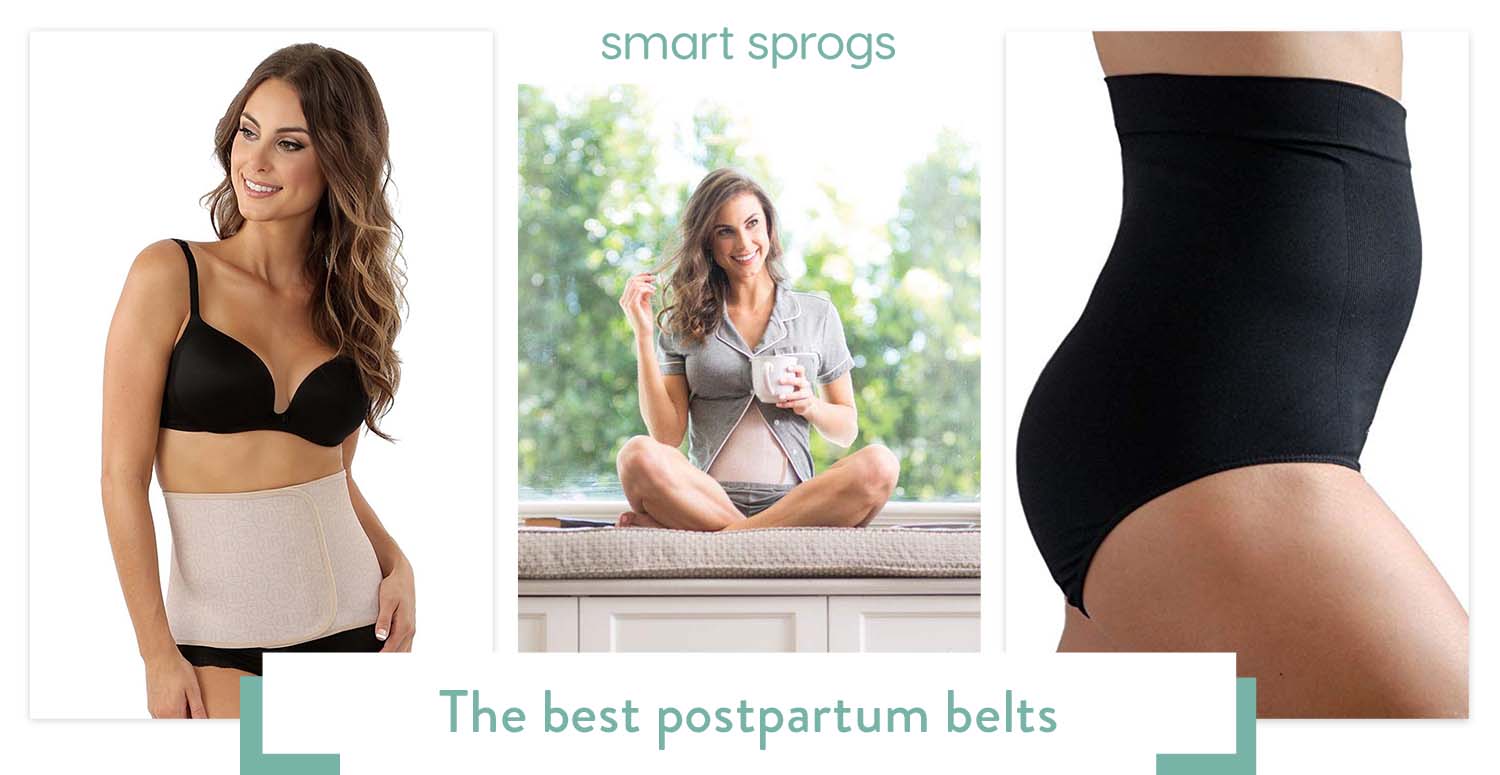
    Postpartum belts (aka postpartum girdles) are wondrously designed to help support your body after childbirth, they are generally made from elastic material and to be worn around your waist. They can help aid lower back pain, support your abdominal muscles, help relieve the pain of a c-section incision and also help your body get back into shape. You can wear the belt underneath your clothes which also helps you feel more confident and build your self-esteem. Amazing right?

    Top 5 best rated postpartum belts

    When can you start wearing postpartum girdle?

    If you had a vaginal birth then you can start wearing your postpartum support belt right away, if you had a caesarean section then it is best to wait until your incision has healed. Always be sure to check with your doctor, midwife or health visitor just to be certain.

    How long should you wear a post-pregnancy belt for?

    It is recommended to wear your belt for 24 hours every day for a week if you have brought one suitable for nighttime wear. After the initial week, you can take it off at night time if you wish. You can then continue to use your postpartum belt for as long as you feel comfortable.

    Things you should think about before purchasing?

    Comfort

    So, there are a few different types of post-pregnancy belts, be sure to try them on before purchasing and see which one feels more comfortable for you as all our bodies are different and some may feel nicer on than others. They come in many different shapes, sizes with a good variety of fastenings to suit your needs. Make sure you give it a good wear test, make sure it does not go out of place when you move and does not cause you any discomfort.

    Wrap belt – this postpartum belt has got many different corset type styles and wraps around your waist, generally secured with Velcro.

    Zipper belt – this can come in a pull-up form which gives you support from all angle or you can also buy them in a corset style.

    Hooked belt – these belts have the same type of hook you would find on bras. Very comfortable, discreet and secured.

    Tie up belt – this particular type of belt in general ties up just like a corset using a ribbon and hooks.

    Pull up – these girdles are very elastic and stretchy as they have no fastenings, simply pull over your feet up to your waist. Very quick and simple to put on.

    Suitability and safety

    Sometimes the post-pregnancy girdles are more designed for specific needs, be certain the girdle offers the correct compression, is it breathable? Does it help in the areas you need it most? Is it designed for those who have had a caesarean?

    Wearability

    Check the material is suitable for your skin type, the postpartum belts are generally made of nylon, cotton or latex. Sometimes these materials may irritate your skin so make sure you are buying one to suit you personally.
    Day and nightwear? Some belts may only be designed for specifically day wear so if you are wanting one for the night time as well double-check that it is suitable. Another thing to consider is whether the belt stays in shape once you have taken it off.


    In conclusion, there are many different varieties in the post-pregnancy belts. It is very much down to finding one that suits your particular needs but with the great number of options you shouldn’t have a problem finding the one that works its magic perfectly for you!