Category: Raise a smart baby

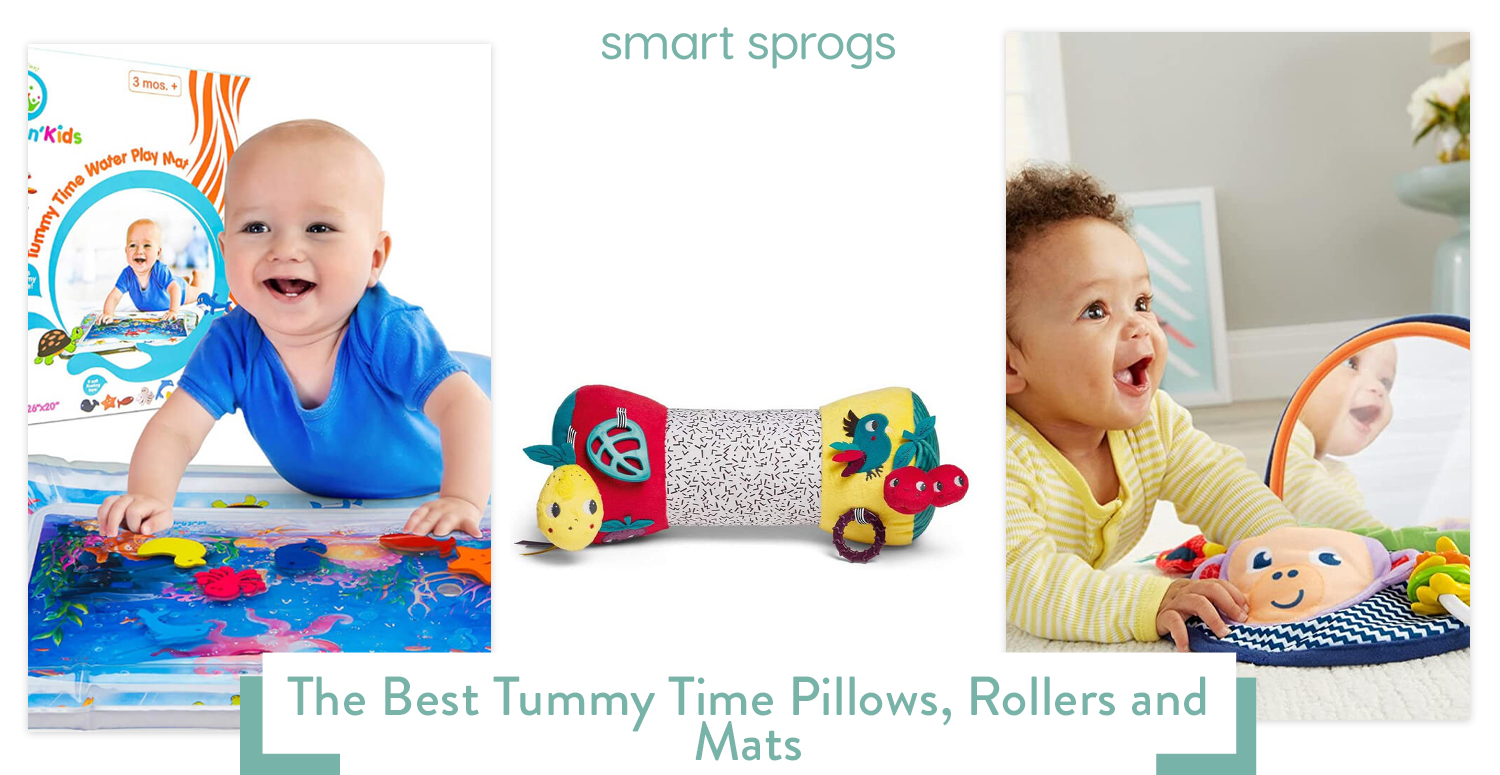
  • The Best Tummy Time Pillows, Rollers and Mats

    Tummy time is when your baby is placed on their tummy when they are alert and awake. A tummy time activity toy is a lovely way to make this important development time more fun and interesting for your little one. 

    Our shopping guide to the best baby tummy time toys

    There are lots of high-quality toys being offered by trusted brands. Many will be very similar to each other so it can be difficult to choose the best. Here’s our helpful guide to our favourites, we know that you and your baby will have hours of happy fun with them.

    The importance of tummy time

    Tummy time is important as it helps your baby to build and strengthen the muscles that they need for sitting and crawling. They will learn to lift their shoulders, head and neck to get a better view of their fascinating new world. 

    Eventually your curious child will begin to reach for the textures and colours they see on their tummy time mat and the vital act of play will begin. 

    Increasing tummy time, as baby begins to enjoy it, will also mean less time on their backs. This will help with flat head syndrome. 

    When is a baby be ready for tummy time toys? 

    Tummy time can begin from birth, simply lay down and place you baby on your chest. Just make sure you’re not likely to drift off to sleep! 

    When using tummy time toys for babies always ensure your bundle of joy is also awake and alert. Stay close and keep engaging them so they reassured. 

    Build up tummy time slowly. Little and often is key. Start with them laid on a soft and snuggly blanket or play mat. Chat to them and stroke their faces to make it a bonding and soothing few moments of the day. 

    Some babies hate it and will squawk in indignation. Just try it for a minute or so and distract them with their favourite toy or try it when they have just woken from a nap or had a nappy change. 

    Use a tummy time pillow or a rolled-up blanket under your baby’s armpits if they struggle to lift their head and find that distressing. This will also give them a better view of the possibilities around them. 

    Place a toy just out of reach to encourage them to reach and grab. This builds fine motor skills and hand/eye co-ordination. 

    The best tummy toys for each stage

    A play mat – these can be bought individually or as part of a set with a mobile that sits above. Look for soft and washable fabrics in a design that you love. Unusual textures such as crinkles and crackles, an unbreakable mirror and toys that are there to be reached for and grabbed. 

    A roller pillow – see below for how to get the best of this type of toy. 

    A fold out unbreakable mirror– this is a classic, prop your baby in front of the shiny, glittery surface and they will be a thrilled with the gorgeous creature that is staring back at them. 

    Water pat mats – an inflatable mat at is filled with water, glitter, floating toys and bubbles. It will also be a fab toy to use in a highchair. 

    How to use a tummy time roller

    There a couple of types of tummy time roller and they will suit a variety of ages and development stages.

    • Some roller tummy toys UK manufacturers design are soft and pillow like. 
    • They can be used to prop your baby if they are struggling to hold their head up.
    • They have fun activities such as mirrors, texture patches and contrasting colours. 
    • Baby can also use it to lean back on once tummy time is over. 
    • When he or she is older and has gained strength, the roller can be pushed, pulled and flipped over.

    For older babies there is a different kind of roller.

    • They will be bigger to suit an older baby. 
    • It will be round and shaped to move easily so baby will be encouraged to wriggle and eventually crawl after it. 
    • Sometimes the toy will make music or produce sounds as it rolls along, this teaches your baby will learn about cause and effect. 
  • Best educational apps and sites for your kids during the UK Corona Virus lock down

    Best apps for babies

    Best apps for children

    Best sites for toddlers

    Best sites for childrens

    As isolation continues any initial enthusiasm around home schooling is likely to have waned. Carefully created timetables have been ripped up and chaos is like a wolf at the door. 

    The question of when the schools will re-open doesn’t seem to have been thought about never mind decided upon and we know that maintaining the education of our offspring is a priority, so we’ve produced a guide to the best educational apps and websites available to U.K parents. 

    We’ve found educational apps for android and IOS, so no one misses out. All the work is done for you. Because, let’s be honest, when we’ve been ‘teaching’ since 10am and the G&T is calling, we really don’t want to be Googling ‘The best educational iPad apps to keep my 6-year-old entertained’ do we?!

    Educational apps for toddlers

    Top educational apps for kids in primary school

    Top educational apps for teenagers

    Preschool educational sites

    The best educational sites for primary school kids

    So, if you’re a parent at the coal face of home schooling we hope these recommendations for educational apps and websites have been useful.

    If you need further help and advice have a read of our articles: ‘Activity ideas to entertain your kids at home during the Corona virus lock down’ and ‘Five tips to homeschool your kids during lockdown’ 

  • 5 tips to homeschool your kids during the UK Corona virus lockdown

    How do I home school my child? That’s what the parents of the U.K have been asking desperately for the last few weeks.

    The consensus from teachers, education experts, child psychologist and other Mums and Dads seems to be:

    • Do you best with the space, time and energy you have. 
    • Don’t freak out about them falling behind, every child is in the same unprecedented position. 
    • Make it fun and create learning moments from their interests. Combining maths and baking is a great example. 
    • Try and be organised and follow a planned routine. 
    • Reward effort with stickers and praise.
    • To check progress and understanding swop roles with your child and ask them to teach you the subject they have been learning about. 

    Home School Curriculum

    The home school curriculum UK teachers recommend is to concentrate on the core subjects of Maths and English during structured learning time and add the other subjects in during moments of play or relaxation. 

    For details of the National Curriculum click this link You’re not expected to follow it but it’s helpful to see why the school has chosen to send the resources that they have. 

    Check out the free online homeschool websites. You’ll find lots of ideas for how to teach a variety of lessons, from core subjects to modern languages. 

    Literacy

    Follow the guidance set by your child’s school and read home school blogs for more ideas on how to stealthily bring learning into day to day activities. Writing a letter to the Nanna they are missing or reading the recipe for the chocolate buns you’re making. 

    Maths

    Home school maths lessons should follow the lesson plans provided by the school and then be brought into fun activities such as baking and playing shop. 

    Science

    Easy-peasy homeschool science lessons can be enjoyed by chatting to your kids about what they see and think while watching David Attenborough’s ‘The Blue Planet’. 

    Spring is here and, if you have a garden, it can serve as a giant scientific laboratory. Planting, watering, building a bug hotel and talking about the effects of the weather are all fantastic learning experiences. 

    Art

    An art lesson will be your most fun but messiest home school idea. You kids have had their little worlds turned upside down so treat them to some fabulous and joyous creative afternoons. Paint cheerful rainbows for the windows, build noisy musical instruments to cheer the NHS and get the potatoes out for some printing. 

    Be Organised 

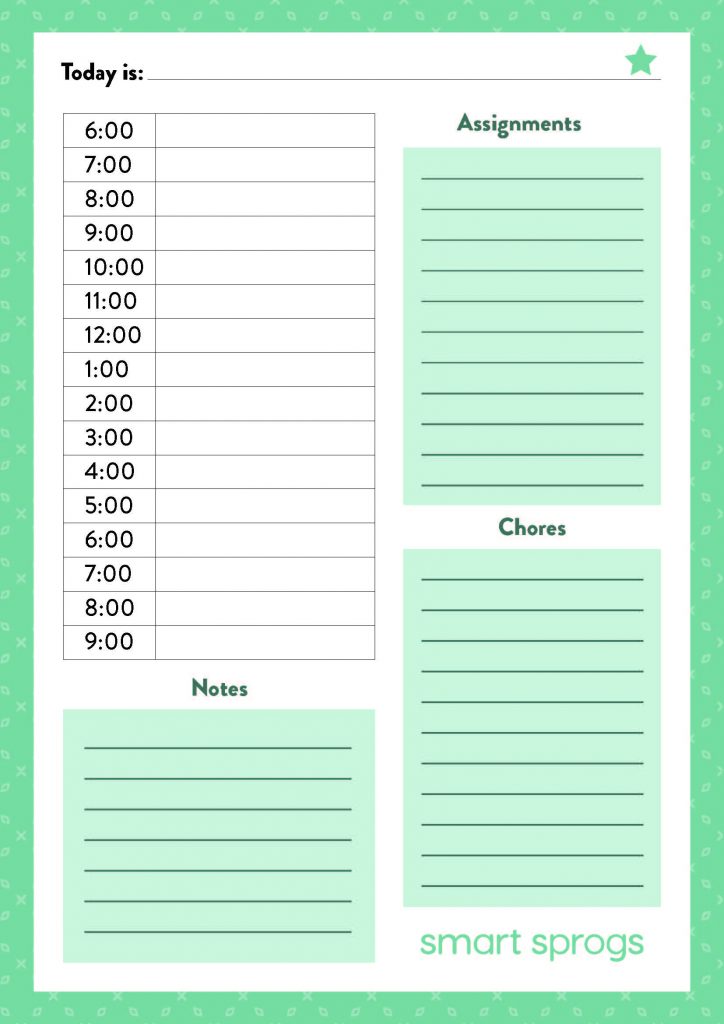
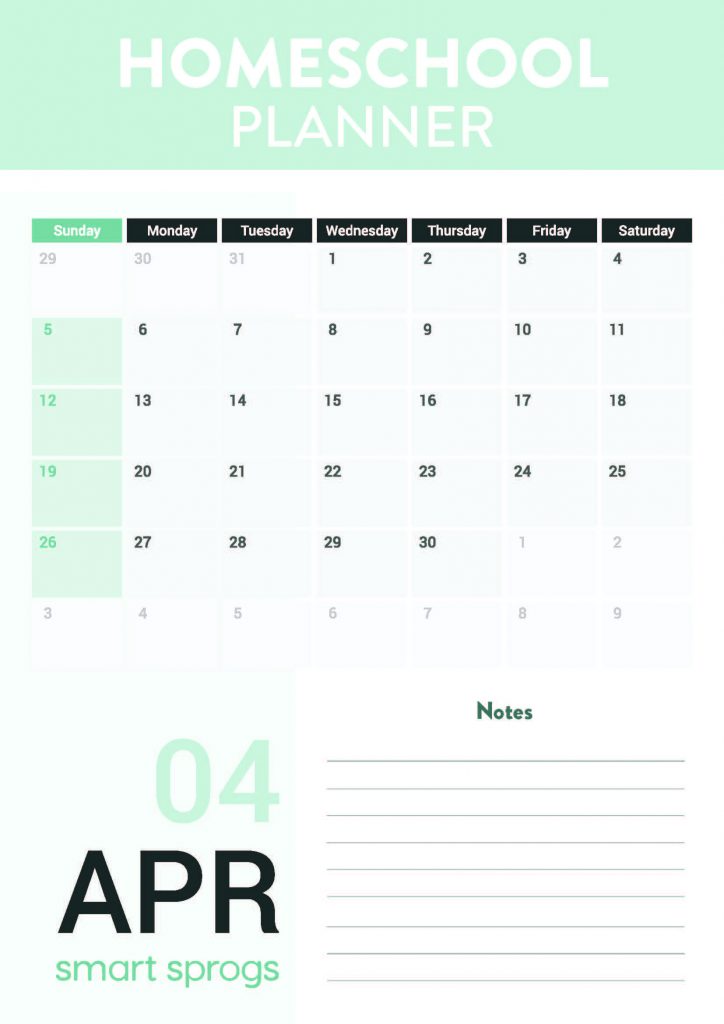
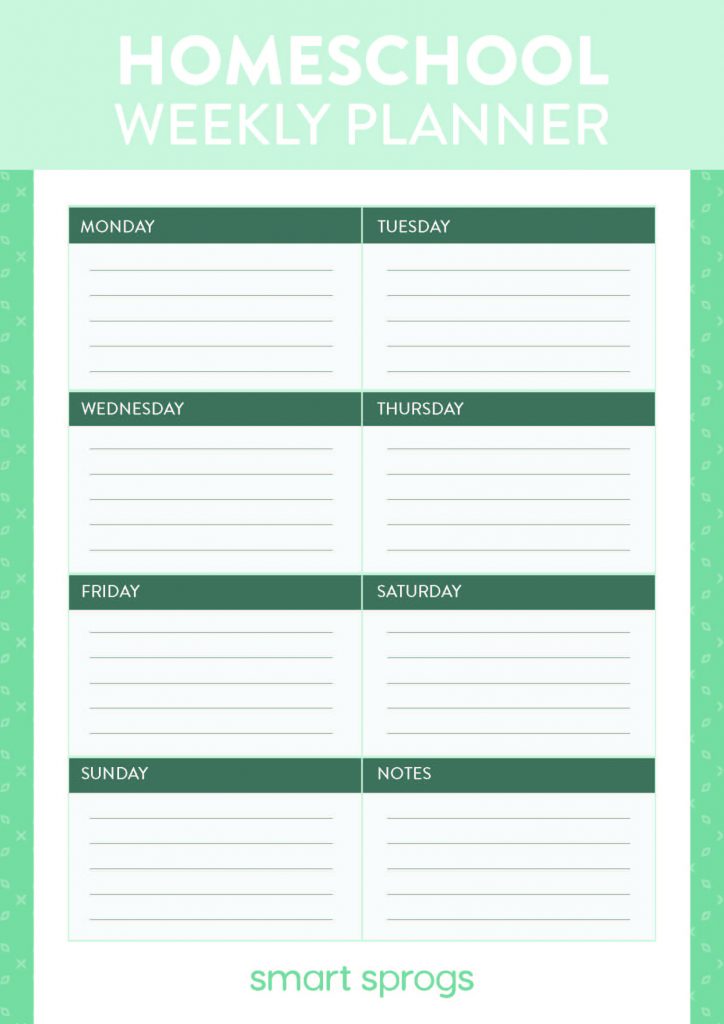
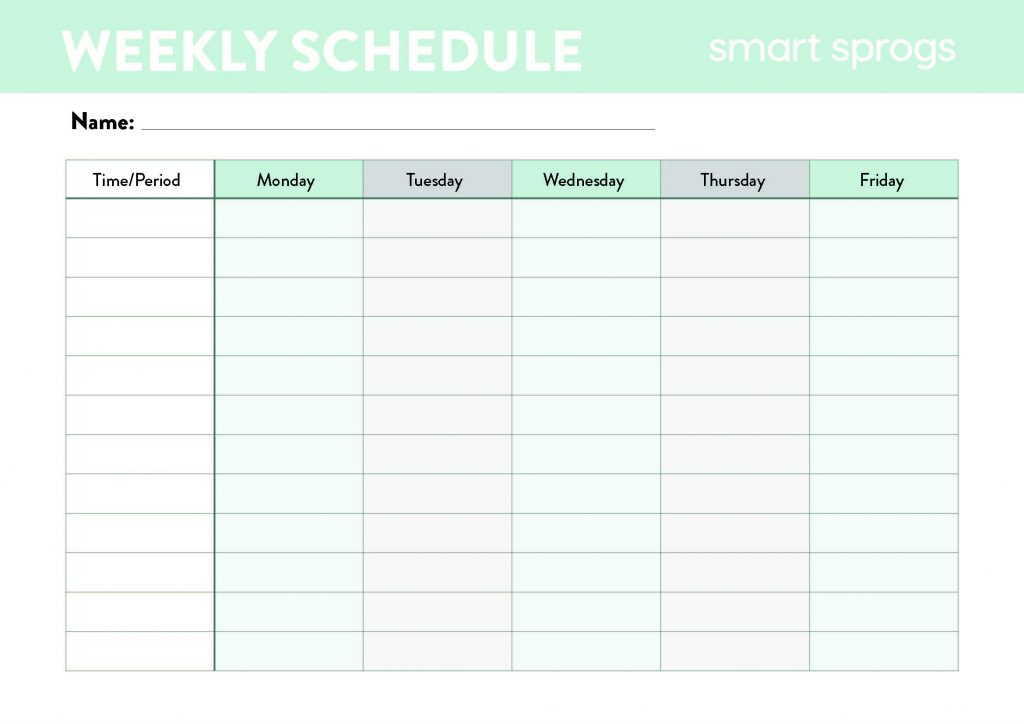
    Create a homeschool planner

    Structure and routine are appreciated and enjoyed by learning children. Discuss how you would like the week to work and have fun designing and colouring in the timetable. You can use our free homeschool planner we’ve added for inspiration and ideas about timings. 

    Homeschool timetable

    The number of home school hours per day UK teachers recommend would follow the 9am to 3pm school day. If you’re working from home or have vulnerable relatives to care for this isn’t going to happen every day. 

    Create a classroom

    How to home school in a limited space is challenging. If you live in a big house you’re laughing, use an entire room. You might be struggling in a small flat, make ‘school’ the contents of their favourite bag and a cushion that they either sit or lean on to work. 

    For older children set aside a space at the dining table that belongs to them and their ‘stuff. If that means ‘teas on knees’ for the duration of lockdown, then so be it! 

    For little ones it’s fine to take the lessons with you as you move around the house and garden. 

    How to be a home-school teacher

    If you’re wondering how to home school your child and be a parent at the same time, these tips will help:

    • ‘Why?’ is an important question for kids so start with allowing them to ask lots of questions as to why they are being home-schooled, why you are asking them to do a particular task and why it’s a good idea that they sit at the table to do their writing. 
    • Let them make decisions about their new school. Choose a name, design a badge and let them decorate the room they’ll learn in. 
    • Communicate everything. Let them know what the routine will be ‘We are starting at 9am because…’ ‘Numeracy will be worked on each week day because…’ Children are much more biddable when they understand what’s going on, what is expected of them and why. 
    • Discuss the ‘School Rules’. Lunch at 12.30, now talking over each other etc. Allowing your charges to be involved in the creation of the rules will make them respect them more. 

    Local support 

    How to homeschool your child is something that can be deliberately over amongst other parents. Share hints and tips on weekly Zoom meetings or WhatsApp groups. You WILL need to rant and each of you will require support at times. 

    Family and friends

    My Dad has a very keen interest in astronomy and some of the conversations he has had with my children about physics and the universe have been hugely influential. 

    Think about who you know that has knowledge of individual subjects. Set up FaceTime, Zoom or telephone chats with them and your kids 

    Home school groups for virtual playtime

    Home school groups can be easily set up with software such as Zoom. At ‘playtime’ or on your lunch break coordinate with the families of your son or daughter’s school friends and let them enjoy some virtual playtime. 

    Homeschool Resources 

    Information from the school

    Home school groups should have been set up by your child’s school to give them access to:

    • Teacher’s work emails
    • Worksheets 
    • Tests 
    • Recommended reading 
    • Lesson plans

    What they receive will depend on their age and the school but have a look through all the documents. Even if you trust your teenager to get the work done it’s good to stay in the know. 

    Homeschool worksheets 

    Free homeschool worksheets have been added to this article to help you set ‘home-work’ and encourage further learning.  Download it here

    Home-school books to use 

    Collins has a fantastic range of books that can be used for homeschooling. There are loads of subjects included and they are aimed at each the Key Stage. You can find the entire serie of study books here

    If you’re interested in looking for educational resources and online home school programmes to work alongside what your child has received from their teacher(s), read our article on the best homeschool apps and home school websites. 

    Our free Homeschool Worksheet

    Right click on the image and save them on your computer or print them! It’s FREE!

  • All you need to know about the “Development matters” guide from the Foundation Years

    What children learn is important, but how they learn is even more important. We want our babies to become life-long learners in today’s society.  If we can teach them how to learn, we have set them up for a successful life. 

    Early Education Specialists have launched a guidance manual to support the implementation of positive learning ideas and the Early Years Foundation Stages (EYFS).

    While this “Development Matters” document holds some very helpful information, it is filled with an overwhelming amount of information that takes hours to go through and is difficult to comprehend. Rather than reading through it yourself, we did the leg work for you. This article will give you easy to comprehend tips from the guide you need to help your baby succeed!

    Different Areas of Learning for your Child

    It is quite obvious that babies, toddlers and young children learn through different tasks and develop at their own rates and in their own ways.  No two children will develop at the same speed and in the same way. So if you are trying these tips from “Development Matters” on your second child, keep in mind the development may take place in their order. This article should not be used as checklists because some stages might be skipped.

    With that in mind, the document was created to understand what to expect during these vitally important years by focusing on the seven areas of learning and development.

    These are the seven areas of learning and development and their aspects

    • Personal, social and emotional development: focuses on making relationships, self-confidence and self-awareness, and managing feelings and behavior.
    • Physical Development: emphasis is on movement and handling as well as health and self-care.
    • Communication and language:  is aimed around listening and attention skills as well as understanding and speaking.
    • Literacy: is solely reading and writing skills.
    • Mathematics: helps with numbers, shapes, space, and measurement.
    • Understanding the world: focuses on children understanding people and communities, the world, and technology.
    • Expressive arts and design: allows your child to explore concepts by using medial and material and it exercises imagination.

    Sure it seems like a lot! But when you think about it, several of these aspects are used in one task at times. 

    How Do We Know Our Child is Learning Effectively?

    The four themes of early learning work together for children to learn effectively. These themes include:

    • A unique Child
    • Positive Relationships
    • Enabling Environments
    • The first three themes together makes the fourth: Learning and Development

    A Unique Child

    The first theme, “A unique child”, suggests that every child is different and can be resilient, capable, confident and self-assured. It is important to observe your child’s development and learning, assess their progress, and plan for next steps. Not all children will learn in the same order however they need support and positivity to develop their own identity. 

    Each child has their own ideas, makes their own links between ideas, and chooses the way they do things. It is important for them to feel safe and valued. Allow them to do things their way.  If you don’t know how to observe your child’s learning, here are a few things to look for:

    • Is your child thinking of ideas to solve small problems or finding new ways to do things?
    • Are they making links between words and objects?
    • Are they able to predict what is going to happen after observing a process?
    • Do they change the way they do things to better their activity?

    Positive Relationships

    Positive relationships help children thrive at a young age. This theme focuses of what the parent can do to help their child with effective learning. Children learn to be strong and independent through encouraging and positive relationships. They need to have a warm and loving sense of belonging. It is important for you to be sensitive and responsive to your child’s needs, feelings and interests. Supporting their efforts and setting clear boundaries helps a positive relationship emerge. Try some of the following:

    • Model behavior of a “thinker” by being curious and sometimes puzzled.
    • Give children time to talk and think. Patience with this isn’t always easy.
    • Support their independence and allow free play.
    • Encourage your child to describe problems they encounter and suggest ways to solve them together.

    Enabling Environment

    The environment your child is in has a great impact on their development. Enabling environments aid to their individual needs and create a strong partnership between you and your child. When planning activities, ask yourself, “Is this an opportunity for children to find their own ways to represent and develop their own ideas?” You don’t want your child to simply repeat someone else’s ideas. A few ways to help create an enabling environment for your child includes:

    • Offer stimulating resources
    • Provide resources that are relevant to the child’s culture and community
    • Use rich learning opportunities through play and playful teaching

    Learning and Development

    The final theme is “Learning and Development”. All children develop and learn in different ways but when your child is encouraged to learn their own way, you will see development flourish. With the first three themes in place the fourth theme follows automatically. Learning will occur and development will improve. Allow your child to play and explore the world while engaging them. Parents should provide motivation for their child to keep trying. Make learning enjoyable for them. 

    Start Early

    Babies can begin learning from birth. They will mimic what you do and will look for familiar faces. You can provide them with engaging and playful interactions from day one. They will mirror your actions and copy what you say, but they will begin to understand there are other ways to do things. 

    You will begin to notice your child’s confidence in trying new activities as they grow. Allow them to experiment so they may find activities they enjoy more than others.  The development of your child will become a positive experience leaving you with one less worry!

    Alternatively to “Development matters, there is a very informative and easy to read leaflet for parents to help them understand the development of their baby: What to expect? When?

    Resources from the Foundation Years website:

    Statutory framework for the early years foundation stage
    What to Expect when?

  • 5 Early development activities for 0-6 month babies

    Most mums will tell you they just want a healthy and happy baby. Of course, this is completely true.  But secretly, we also hope our little bundle of joy grows up to be as smart as a whip too. Many of us go as far to play Mozart to our belly during pregnancy and decorate the nursery with stimulating shapes and colours. It is natural to want an intelligent child and to do what you can to help them grow, mentally.  But there are much easier ways to make sure your baby is learning and increase your odds of raising a smart baby.

    Before your baby is even born, he already has all the brain cells that he will ever need through his life. That’s around 10,000 billion, if you can even imagine that number. The first few months of your little one’s life are an amazing time for learning. Your baby likely cannot speak, walk, or even play very well during this time, though their brain cells are making new connections at a tremendous rate during the first 6 months of life.

    While babies develop at their own pace, there are ways you can encourage that growth. The more stimulation your baby receives on his senses, the more connections are created among brain cells. This helps build the infant’s brain early, leading to increased chances of having a smarter child. I can’t promise you’ll have a tiny genius after trying these tips, but any small task to support your baby’s brain development is beneficial.

    Despite your baby being so young you can definitely put them ahead and encourage their development. I want to share with you a few tips to that will help you raise a smart baby.

    Early Development Activities

    Building your baby’s brain starts when you are still pregnant.  Because you are part of their brain development, it is important to avoid any harmful substances while they are still wiggling around in your tummy. Once the little miracle is born, they will more easily build brain strength in situations where they feel safe and secure.  Showing love and care through activities you enjoy to do with your child like talking, playing, cuddling, singing enhance their brain development.

    Play with your baby in a way that will stimulate her brain and senses. Some of the best activities you could partake in with your baby to improve brain development are listed below.

    Happy-time play

    Dopamine is a chemical released by the brain to make us feel happy. If you want your child to be an enthusiastic learner, help them develop peak levels of dopamine in their brain. You’re probably asking how you could possibly help chemicals form in your child’s brain. It isn’t as scientific as it sounds; no worries. There are two important tips to remember when trying to stimulate dopamine formation. They include:

    • Have lots of play-time at the child’s level (playing down on the floor or on the bed)
    • Use energetic commentary when communicating during play.

    If your child is bouncing around in their jumping gym you could say, “Wow! You’re jumping so high! That’s amazing!” If you remained silent, with no positive feedback, the baby’s dopamine would very quickly drop and they’d probably eventually give up. Children who have gained ideal dopamine levels are less likely to suffer from depression later in life.

    Horseplay (sensibly)

    Physical movement is important for raising a smart baby, so don’t leave out the silly roughhousing. While we used to label our peers as nerds or jock, it was assumed you could either have the brains or the brawn. But in order to do physical play, you have to be able to think your way through it. It, in fact, takes brains! Physical play develops cognitive functioning.  It helps strengthen the frontal lobes for concentration and attention. It develops new progress in the memory system of the brain.

    But how do you roughhouse or horseplay safely with a baby? There are many safe options that can be used including:

    • Lap or rocking games
    • Songs that have claps and movements to them
    • Face-to-face games like peekaboo
    • Hand games like patty cake
    • Flying your little one airplane-style above your head

    Explore in tandem

    Let’s admit it; sometimes it is easier to just sit your little one on a mat with their Montessori toys or in their bouncy chair with attachable toys. While these are great brain-building activities, it is important to get some one-on-one play as well.

    Choose activities that you can play together rather than traditional toys you hand off to the baby for solo play.

    Sensory, stimulating items such as a discovery box filled with feathers is a simple way to play together as they explore new things. Even filling a bucket with water and soap before eagerly popping bubbles together would help your baby develop new skills.  Babies do learn best from one-on-one interaction because they can model that you do then learn to self-explore.

    Daily Storytime

    We have all heard that reading to your child from infancy will make them smart. But there is more than raising a reader. You will help them develop a multitude of skills, including emotional vocabulary and empathy. Reading together is a great way to bond with your child, reducing aggression and anxiety.

    When reading together, try labelling the characters’ emotions. Your child will learn to see things from another person’s perspective. A good strategy is to mimic the characters as you read. If a person or animal in a picture book looks happy, mention it, and then smile at your baby. If they are sad, say so, then frown at them. They will likely laugh or be intrigued by your stimulating storytelling.

    Dancing and Singing

    Listening to music encourages interest in music and strengthens the bond with their parents who they are sharing the music with. This is an important part of emotional development.  Try putting on one of your favorite songs. While holding your baby securely to your chest, gently move around together in a dancing motion to the music.

    If your little one is throwing a tantrum or resisting a nap, sing them a lullaby in a soothing voice. Even if you don’t know the words to a lullaby, sing your favorite rock song in a slow soothing tone. They won’t know it was the Ramones who sang that soothing tune until they are much older.

    Avoid Screens

    Intelligence at this age is indeed sensory and motor rather than conceptual or pictorial. 

    The development of a young child goes through motor skills and the ability to interact with the objects he encounters. Observing, touching objects, playing are essential for the good development of your little one.

    Before 3 years old, babies are fascinated by screen, the images, shapes, sounds… Unfortunately it’s impossible for them to understand what is happening in front of them, making this time in front of the screen useless for your child development. If anything it deprived toddlers of this exploration of the world in 3D fundamental for its development at this age.

    It’s not always easy to resist the temptation to busy your little one with a TV or an iPad, but many parents  managed to redirect their attention to real life activities. Helen, mum of the little Charlie, shares her experience and best tips on the matter in her blog.

    Summing it up

    One final expert tip for you before you go: take a break from all these stimulating games and toys once in a while. Sometimes sitting quietly with a few toys in a playpen is good rest for the brain. Not to mention it gives mum some time to relax a bit. Try adding a few of these activities to your infant’s day. Keep the most stimulating play during the day and the soothing activities at night. Sleep is still the most important thing for that sweet baby’s brain.
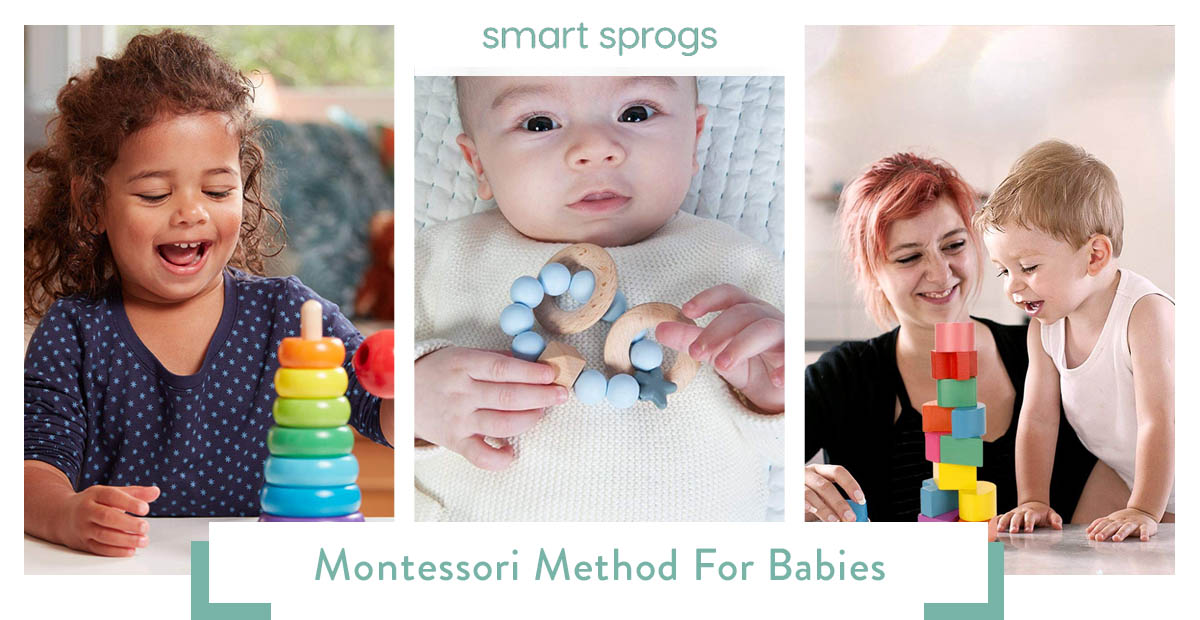
  • Can the Montessori Method be Used with Babies?

    Have you heard the term “Montessori” thrown around? You have probably heard it in connection with preschool or kindergarten aged children. This method is increasingly used in schools today as it allows a space full of developmentally appropriate toys and games. It encourages kids choose for themselves which ones they want to play with.

    But, what about using Montessori for babies or toddlers? Like many other parents, you may have dismissed the idea until they were a bit older. Though this style of play can have great benefits to your baby!

    What is Montessori Method?

    One day you are in the hospital, giving birth, and the next your child is walking and talking. You hear it from your family and loved ones; “they grow up fast.” This is true! But, during the first 3 years of their life, your child develops more rapidly than at any other time. During this stage, your child absorbs so much information from the world around them simply through observation and experiences. These years lay the foundation for learning. If they have a strong foundation to grow on, the more the child will be able to build upon it.

    The Montessori Method isn’t just an approach to academic learning for our children. It can help guide baby’s development right from birth. This method is a child-centered approach to education and development. It encompasses hands-on, multi-sensory activities that kids can engage in at their own pace. Sometimes people are surprised to hear a newborn can use the Montessori principles.

    It is easy to apply the Montessori Method to your child’s life. You simply need to offer the suitable environments without obstacles. Place Montessori-style items within your little one’s reach, placed on low, open shelves. Then sit back and observe. Gently guide your child without directing their play. The goal is learning towards independence. This will lay the foundations to the way they explore and how they feel about themselves.

    What Type of Toys Should I Look for?

    Your child’s playroom is the perfect place to introduce the Montessori Method. But first you must know what to look for when stocking the shelves. To know what signifies a Montessori toy look for the following suggestions:

    Toys made of natural materials. Toys made of wood, wool, cotton, metal, ceramic and even rock are Montessori toys. They connect children to nature and are usually safer to their mouth. The different textures, temperatures and weights are important to help children refine their senses.

    Toys that do not make electronic sounds or movements. Montessori toys are designed to encourage children to explore and discover independently. Instead of going for flashy toys that move and make sounds on their own, get the ones that require your child to physically manipulate them on their own.

    Toys that are realistic ideas. Montessori toys are rooted in reality, creating a great learning opportunity about the world around us. Babies and young children don’t yet know what’s real and what’s fake. Mermaids, unicorns, cartoon characters; these seem no less real than their pet dog. It can be confusing when we teach them about something and then says it’s not real. Choosing between a stuffed dragon or elephant? Choose the animal that your child can later see and learn about in the zoo.

    Toys that hone one-task learning. Teaching toys that sharpen one skill at a time is a staple of the Montessori Method. These toys should help kids know if they’ve completed the task correctly.

    Toys with a purpose. Montessori toys can also allow children to independently engage in chore-like activities, like raking leaves or sweeping. These make the child feel important and like they have a purpose.

    The best Montessori toys for babies

    We have done a bit of research and found some of the most popular Montessori toys on the market today. You can find many homemade toys and manufactured toys online or at your local baby boutique. Here are a few recommendations from us.

    Montessori toys for newborns to around 3 months:

    There is the most beautiful series of mobiles for Montessori babies available on Amazon. Mobiles are a great item for babies who are not yet crawling or walking. The proved developmental opportunities while in the crib. The Baby Wooden Play Gym Mobile is a unique hanging design that includes chewable features safe for your infant.

    Since we are on the topic of crib toys, the Mamimami Toy Beech Wooden Sensory Kit is the ideal purchase for every baby. These one-task toys include rattles and other one-task toys that are safe to have in your baby’s crib. They are made of safe and durable wood and support brain development.

    Some Montessori grasping toys for babies 3-8 months:

    When your baby begins teething, purchase a natural wood rattle ring, made for safe chewing. This item is made from food grade silicone and can fit around your wrist or can be easily gripped by babies small hands. They come in many colors and contain a chic natural look. Purchase them on Amazon UK here: Nibbling Natural Wood Rattle Rings.

    Your baby will also love to play with a Montessori fabric ball, tossing and rolling it about the house. The Ying Yang Puzzle Ball is made of washable material and safe for your baby’s mouth. They will love chasing this soft toy around after bouncing and swatting at it!

    Some examples of Montessori materials for babies from 8 to 14 months

    The classic Melissa & Doug Stacking Rings are an old and new educational toy babies have played with for decades! This stacking toy is made of wood and allows your baby to learn how to order items on their own. The product is durable and safe and sure to be your child’s favorite!

    Another product sure to win your baby’s heart is the MojiDecor Shape Sorter toy. This two in one toy provides a fun way for your child to roll their toy around the room and learn to match wooden blocks with their rightful compartment. This wooden toy promotes hand eye coordination and motor skills of your child.

    Let’s not forget the role playing aspect of Montessori! This Treasure Basket is full of learning resources for your child’s pretend play! This basket is filled with 21 wooden and natural items. The items encourage exploration and support creative play. It is sure to provide sensory stimulation essential to the brain development.

    So What are You Waiting For?

    Your baby has an absorbent mind, ready to take in all the world can offer. They are learning impressions of the world around them without any effort. And they absorb the good as easily as the bad. So start applying the Montessori Method at home with your little one today. It is easy and you will be happy you started early.

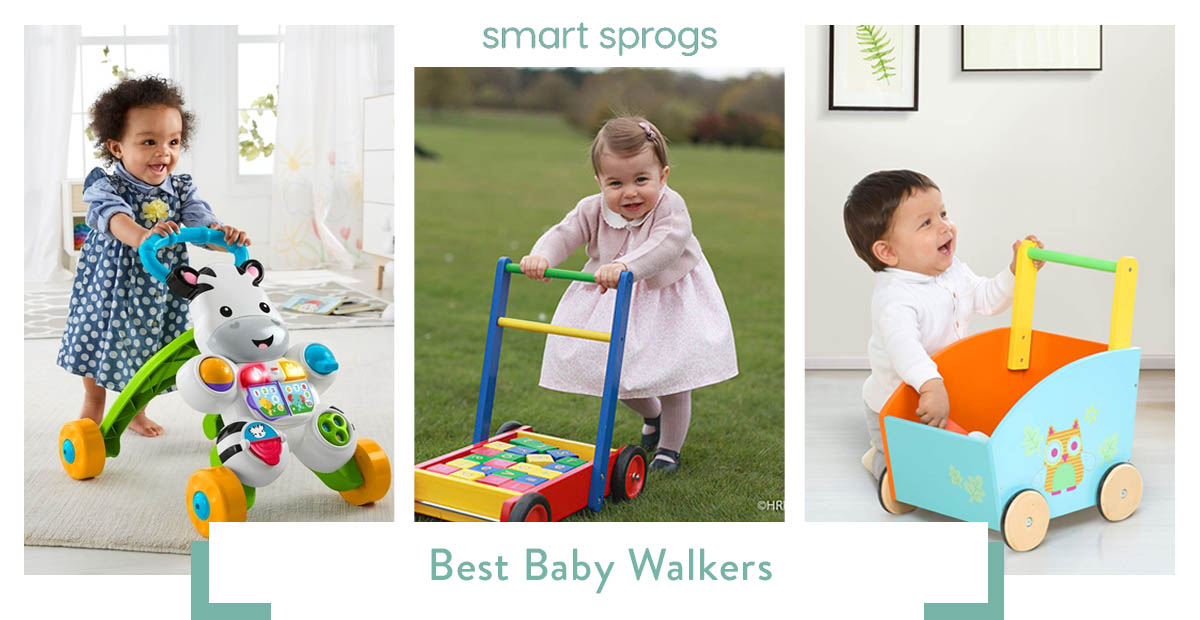
  • Which baby walkers are safe to encourage baby to walk?

    Your baby is starting to stand up and you want to help them make their first steps? It’s normal to want to encourage your child development, however it’s not always easy to know how. Should you use a walker? Is it safe? Does that really help your baby?

    We’ve looked into it and we’re bringing you the good, the bad and the ugly from the baby walkers:

    The best baby walkers to encourage your baby to walk

    The best activity walkers for toddlers

    The best walker for babies

    Honorable mention for the cute wooden walkers

    Avoid the sit-in walkers

    Many studies and experts have questioned the safety of sit-in walkers. In fact, these toys have been banned in Canada for years and the EU recommendation is to not use a sit-in walker to avoid accidents

    Between 1990 and 2014 in Ohio, a study recording the cause of trauma of babies under 15 months old admitted to the ER highlighted the risks of injuries related to sit-in walker. During that period, 230,676 children were treated for trotter related injuries

    According to the study, the walker place the babies in potentially dangerous situation giving them more freedom of movement and speed than the babies can safely manage. Toddlers smash their fingers between the toy and walls, twist their ankles underneath themselves and most of them fall down the stairs…

    Furthermore, according to a British study, babies that use sit-in walkers would make their first steps later than other babies. According to psycho-motor experts, these walkers might have a negative impact on the development of the baby’s hips and prevent the baby to learn to coordinate his legs and arms.

    Can a push along baby walker help your baby to learn to walk?

    While sit-in walkers are widely not recommended due to the large amount of accidents that are associated to them, it doesn’t mean you have to completely renounce to encourage your kid walking with toys.

    A baby walking trolley is very effective to stimulate the mental and motor development of your baby. Your baby will do their first step holding on to it, giving them a feel of what they need to do to walk

    Today there are countless models of walkers. Between all of the different functions and price points, it can be really difficult to narrow your choice down. So we’ve written a little guide for you

    What to look for in a baby walker

    There are several criteria to consider when buying this kind of baby walking aids.

    The material: The first thing to consider is the materials used. There are plenty of plastic walkers but my favorite are the wooden ones. They are indeed more expensive but also more solid. It is an ecological material, resistant and which ensures a good life with the trolley. However, make sure that other products used for assembly and treatment are safe for your child’s health.

    The colour: Regarding the shape and colour, it is better to choose a colorful model that will help awaken the curiosity of your baby.

    The weight: The weight of the device is an important characteristic. To ensure good stability, prefer models that are not too light. On the other hand, it is also recommended to avoid too heavy walkers, that would be too difficult for your little one to handle properly. This parameter usually depends on the materials of manufacture, the wooden articles are heavier than the plastic ones.

    The look & accessories: Accessories coming with the walker are also an important thing to consider when making your purchase decision. There are baby trolleys that look like a kitchen or pram to help the baby mimic what their parent does every day.

    A great bonus if the model can store your baby’s toys in it. Furthermore the ability to adjust the height of this equipment is also very practical so you adapt it according to the size of your child.

    To help you buy the stand up walker that will fit your little one’s needs, we’ve selected our favourite five baby walkers.

    Hope this made your search for the right walker for your baby a little easier. If you found this article helpful, please be sure to check out some of our other baby equipment articles! We have compiled right here the best sensory toys for baby on the market today.

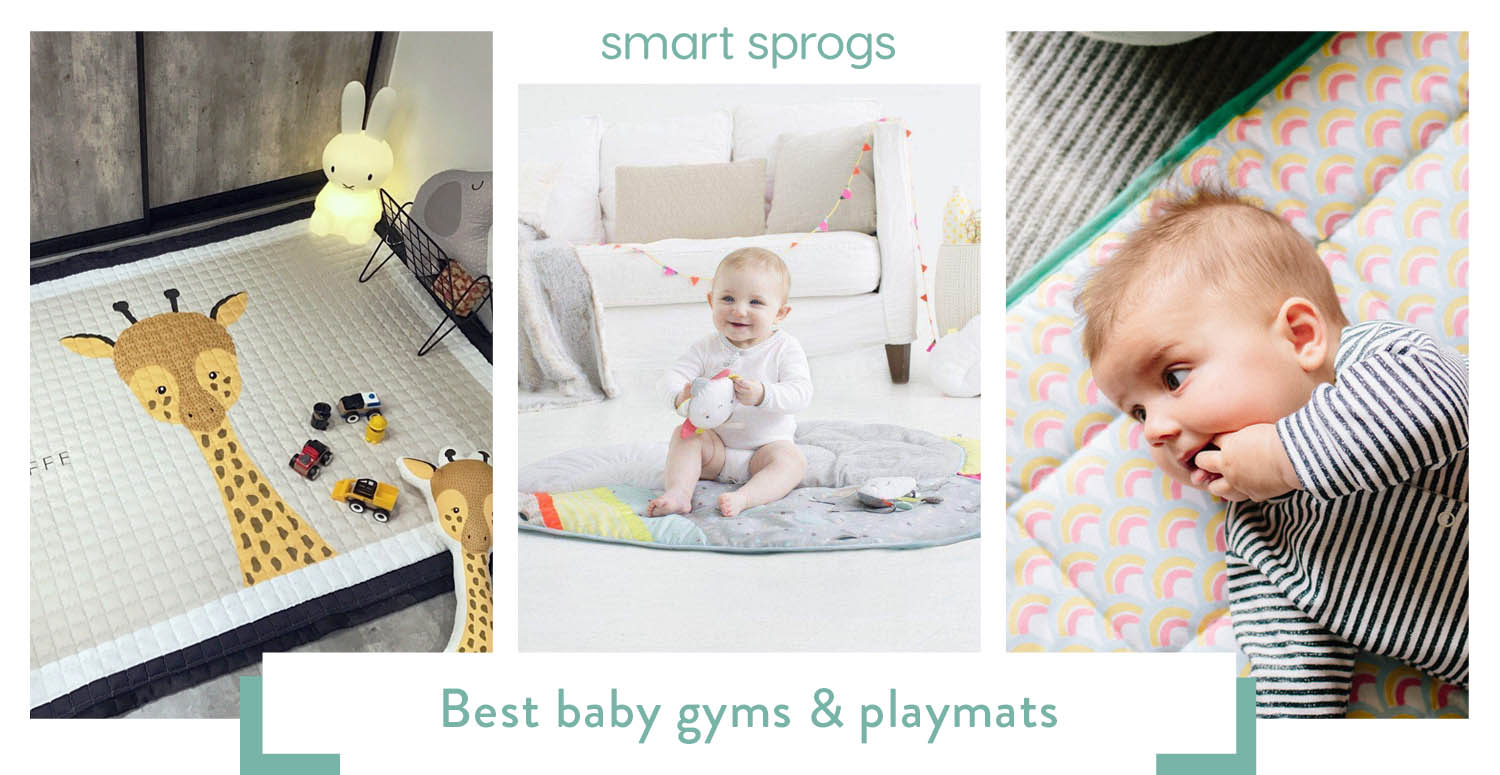
  • Best baby gyms & playmats for newborns and toddlers

    Our selection of baby play mats for newborns

    Our selection of play mats & gyms for toddlers

    Your baby’s development relies on the various awakening activities they do. It’s all about stimulating his brain so that one is able to make connections and draw conclusions from an early age. It has been proven that most children who have had an activity gym as a baby have a more open mind. So, it is quite normal that so many parents and nurseries are interested in this accessory.

    What should you be looking for in a play mat? One that is safe, practical, easy to transport and why not, evolutive to keep your baby entertained for months, or even years!

    We have gathered the best baby gyms from each price point and for every ages to ensure you find the play equipment that works for you and your baby.

    Best baby gym for newborns

    To rest or to develop their senses, from the first few weeks of their life, your little one will appreciate a soft comfortable baby mat. A nice addition to the mat is a baby gym. Your baby will love reaching up for its hanging toys. Here are our to pick baby playmats.

    Our favourite newborn play mats

    Best budget baby gym

    Best crawling mat for young babies

    A great addition to this bigger mat, is a sit-me-up seat to encourage baby to sit up. Take a look at our best tips and favourite baby floor seats to help little ones sit up by themselves.

    Best playmats for toddlers

    If your little one is starting to crawl, a playmat is the perfect accessory to make sure they can play and explore safely. We’ve selected bigger play mats than the newborns ones so your baby have all the space they need to crawl around and have more toys around.

    Best activity mat

    Best large play mat

    Best budget play mat

    Special mention for elegant design

    Extra suggestions for toddlers play mats

    We’ve selected quite versatile mat for crawlers that can also be used for older toddlers. However we wanted to show you some more original additions that could make your baby play area even more entertaining.

    Soft flooring

    Farm mat

    Accessories for adventurous babies

    So which one is your favourite? Did you go for a stylish grey one or for a more colourful one?

    Now that you know where your baby will be playing, you may be interested in checking out one of our other article, the best sensory toys for baby. It will help you figure out which toys are best for helping baby build their motor and language skills.

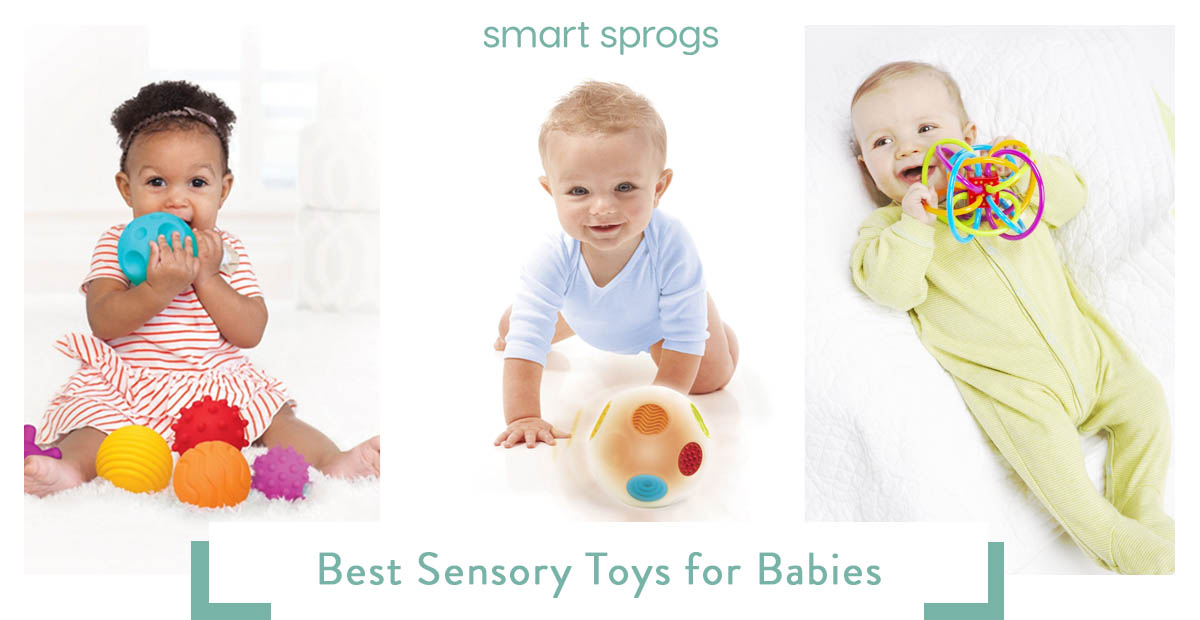
  • Sensory Toys for Babies: are they better than other toys?

    How do we know what our baby needs? We can ask them, but we won’t get a verbal answer.  Before they are able to speak to us, they experience the world in 5 important ways. Their senses.

    Babies begin processing the world through their senses before they are even born. When the fetus is only a few inches long they can feel the vibrations from their mum’s voice echoing through her body.

    Babies take in information from the world by what they see, hear, taste, smell, and feel. Babies develop stronger skills by interacting with their world and practising their sensory processing skills.

    Sensory play helps build nerve connections in the brain’s pathways. This helps your child complete more difficult learning tasks. It supports cognitive growth, language development, gross motor skills, social interaction and problem solving skills.

    What Are the Best Baby Sensory Toys?

    There are many benefits to sensory play for babies. Here we look at what those are, before taking a look at the 7 best sensory toys you can buy today

    Messy play and noisy play are fun forms of sensory play for younger babies, and can include sensory toys such as rattles, water mats and Play-Doh. Here are some of our favourite sensory toys:

    For Infants

    For Toddlers

    Why Sensory Play is Important for Development?

    Sensory toys to engages the senses

    From birth through to early childhood, children use their senses to make sense of the world around them. They do this by touching, tasting, smelling, seeing, moving and hearing.

    Even adults learn best and when they engage their senses. Many of our favourite memories are associated with one or more of our senses: the smell of a summer night campfire or a song you listened to with a childhood friend. When you smell a campfire or hear that song, your senses are stimulated and your brain triggers a flashback memory to those special times.

    Even though our senses are natural, as we are born with them, they can be strengthened through practice.

    Sensory toys for babies have become one of the most popular trend among parents today. Sensory play helps babies learn about their world through their five senses while developing new skills.

    Sensory toys to help the brain development

    It helps babies enhance their learning and develop new abilities through a variety of activities by using specially designed sensory toys, that stimulate their senses. Some experts suggest that sensory toys can make your baby smarter!

    How to create homemade baby sensory toys

    Engaging your baby in sensory play at home can begin with something as simple as a baby rattle or a lightshow projector. You could also get hands-on and create some DIY baby sensory toys for your baby. Sensory toys can be made from food and household items. A few popular examples of DIY sensory toys include:

    Glitter bottle snow globe

    1. Empty a clear bottle and fill it ¾ with water.
    2. Add a few handfuls of glitter.
    3. Glue the lid shut and let it dry.

    Your baby will enjoy tipping the bottle back and forth as they watch the glitter flow to the bottom each time.  When they begin crawling they will love chasing it across the room.

    Scrunchy sound socks

    1. Take an old, clean sock.
    2. Stuff it with left over wrapping paper.
    3. Tie a knot at the end of the sock to keep the paper inside.

    Your baby can safely scrunch the sock and be rewarded with great stimulation to their hearing sense. The sound is not annoying or loud, so it is parent approved!

    Bottle cap bracelet rattle

    1. Collect a few plastic bottle caps from sodas, milk, or waters.
    2. Punch or drill a hole through the centre of each cap.
    3. Insert an elastic string. Regular string will work as well.

    This makes a great rattle which is light and easy for baby to grasp on to.

    Recap: 5 reasons why sensory play is beneficial

    Sensory activities encourage children to use scientific processes while they play, investigate and explore. The sensory activities ultimately shape the choices children make and impacting behavior. The 5 main reasons you should start using sensory toys for your child are:

    • Research shows that sensory play builds nerve connections in the brain’s pathways, which lead to the child’s ability to complete more complex learning tasks.
    • Sensory play supports language development, cognitive growth, fine and gross motor skills, problem solving skills, and social interaction.
    • his type of play aids in developing and enhancing memory
    • Sensory play is great for calming an anxious or frustrated child
    • This helps children learn sensory attributes (hot, cold, sticky, dry)