Sadly, breastfeeding has become a contentious issue for modern parents. The pressure to feed your baby yourself is high and the acknowledgment that breastfeeding can be super difficult is low.
If you are finding the whole process stressful then don’t be hard on yourself. Stay calm and try all the options but if it’s really not for you then you are no less of an amazing Mama!
That said, using nipple shields can be the miracle cure for a Mummy and tot who are struggling with breastfeeding and if you’re interested in the question ‘What are nipple shields and what can they do for us?’ then read on!
The best nipple shield for you – a shopping guide
Our comprehensive guide is based on personal experience and nipple shield reviews from across the nursery industry. Trust us to find you the best nipple shields on the available in the U.K.
What is a nipple shield?
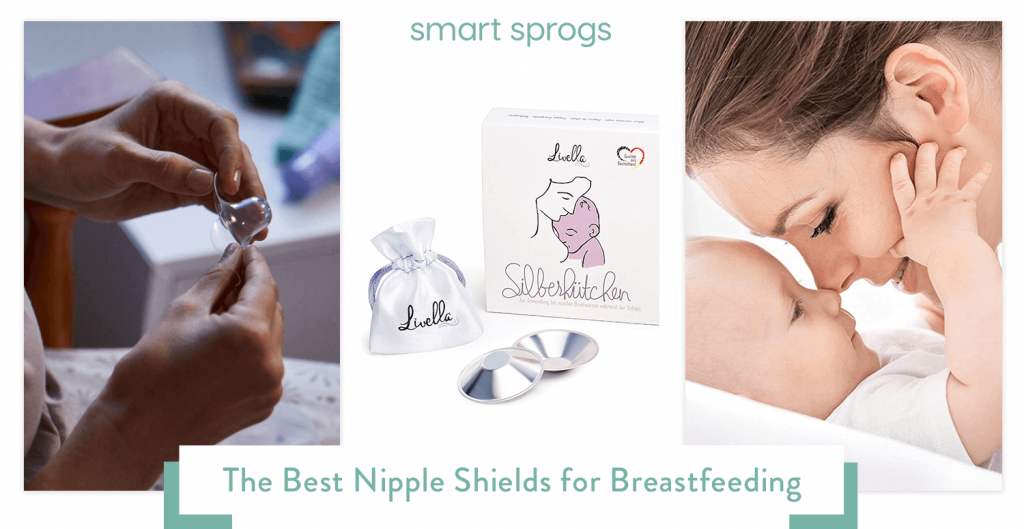
Nipple guards are thin silicone teats that slip over a mother’s nipple to aid with breastfeeding and protect the delicate skin in that area.
Type of nipple shields
- Nipple shields for breastfeeding – help with a deep latch on and production of milk.
- Protecting nursing cups – they protect sensitive nipple tissue and already cracked skin as there is no direct contact between the broken breast skin and baby’s lips or clothing.
- Breast shells – collect milk and defend skin
- Nipple trainers – can be used before birth to encourage inverted nipples into a shape that will make breastfeeding easier.
It is important to use the correct type for your current needs.
How do nipple shields work?
- A breast shield, when it is the correct size, should slide comfortably over the nipple and sit against the areola.
- Small holes in the teat will provide the flow of milk as baby sucks.
- Your breastfeeding shield will be a noticeable, firm presence in the roof of your baby’s mouth. This will stimulate the suckle reflex and feeding will, hopefully, be easier and more effective.
- The silicone nipple cover will provide a barrier between your skin and anything that will irritate it, for example clothing or the insistent pull of your hungry infant.
Why you might need a nipple guard?
- If your little one is finding it difficult to breastfeed.
- You have flat nipples, inverted nipples or very soft boobs.
- Your baby has a problem with their tongue or mouth.
- Your baby was premature.
- Feeding has been established but baby is an inattentive feeder – a nipple guard will help them get more milk in a shorter time.
- If your need temporary respite from ‘touch’ on painful nipples.
How to use a nipple shield
Using a nipple shield is tricky! If you’re planning on trying breastfeeding nipple shields, then have a chat with your health visitor or breastfeeding counsellor.
Before you put on your nipple shield stretch it gently and warm it will warm water to make it a little tacky, this will help it stay in place.
A good trick is to almost turn the protector inside out and apply it first to the part of your boob that your baby’s lower jaw will touch.
Slowly and carefully pull it over your breast. It should be tight, and the nipple will extend into the teat but not necessarily touch the end.
The most important nipple shield breastfeeding techniques to master are positioning and attachment. A good ‘latch on’ will be comfortable for you and allow baby to end the feed contented and with a tummy full of milk.
If you squeeze a little milk into the end of the teat the smell and warmth will pique your baby’s interest and tempt them to begin their next yummy meal.
Remember, a breastfeeding nipple shield won’t magically take away the pain of sore nipples so keep using your nipple creams to moisturise and protect them.
How to choose the best nipple shield for your body
Material
A silicone nipple shield is the norm as it is easy to wear, comfy for baby and won’t ‘flavour’ your milk.
Nipple shield size
Women’s bodies are all different and the size of your nipple protector is vital. If you have large nipples and you’re wearing a Medela nipple shield small, then that is going to feel horrible!
A guide to the size of Medela breast shield you need will be in the product descriptions. Comfort is key!
The shape of your nipples
Nipple trainers are great for extending inverted or flat nipples while you’re still pregnant. However, you will need sturdier, larger breast shields while feeding so that they remain in place.
Leave a Reply