Sleeping routines can become a complete disaster when our little one doesn’t want to sleep anywhere but in our arms. This situation becomes difficult to avoid, leaving mums exhausted most of the time.
Don’t feel guilty for wanting to sleep in your own bed, without the baby squirming around next to you or a fear of rolling over on the baby.
But we all know how hard the routine can be; getting the baby to sleep, rushing to clean bottles, throwing in some laundry, and cleaning off yourself before getting 30 minutes of sleep yourself. Next thing you know, the baby’s awake and ready to eat.
When mum’s get desperate for sleep, they will try anything. There are products on the market that are made to help babies sleep more sound in a safe nest-like pillow, to allow the mom to get more done and acquire better sleep.
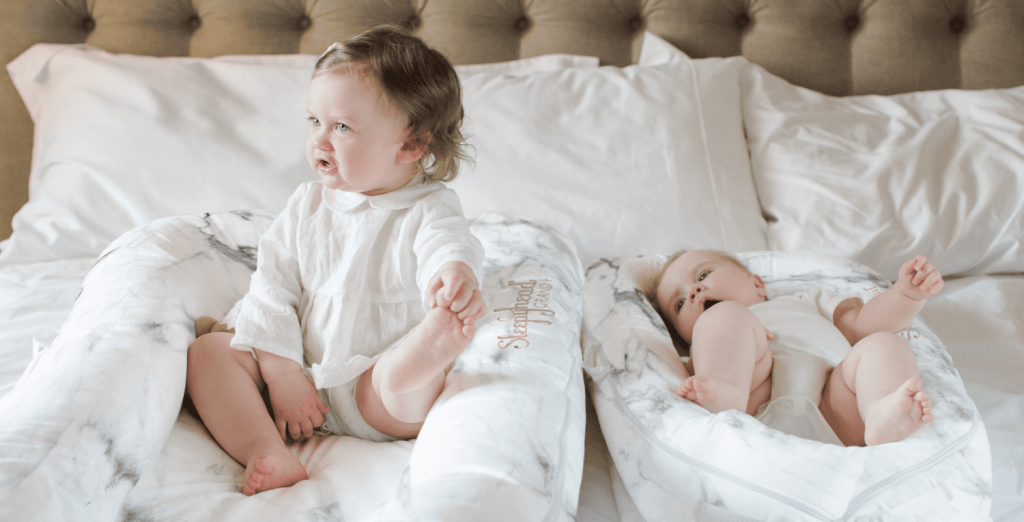
One of these products is designed for babies ages 0-36 months, called the Sleepyhead Pod. It is a reinvention of the womb that allows the baby to sleep feeling more secure.
Many mums swear by this product, but what is so great about it? Let’s find out!
Are Sleepyhead Pods Safe for my Baby?
Sleepyhead, with its protective raised borders, promotes a healthy sleeping position while preventing the baby from rolling out of bed. Be honest; us mums constantly worry about our baby falling out of bed and hitting his head, wriggling down under the covers, or worse, us rolling over on top of them ourselves!
The elevated sides of the Sleepyhead prevent the any of these fears from happening. In fact, the products is said to be very comfortable to sleep next to by many customers.
The firm Sleepyhead “mattress” significantly lowers the risk of suffocation, unlike soft adult mattresses. Both the mattress pad and surrounding bumper allow air to flow through the Sleepyhead with ease. The breathability of the pod allows the temperature to stay cool, keeping the baby from sweating and becoming dehydrated. The material is hypoallergenic and washable for easy care.
What are benefits to using the Sleepyhead instead of a bassinet?
The Sleepyhead was designed to allow babies to safely rest, play, and lounge without the restrictions of buckles. This clever pod is lightweight and easily moved from one room to the other and simple to travel with. Sleepyhead Grand, designed for babies age 8-36 months, allows an easy transition from crib to big-kid bed. The sides of the Sleepyhead give the child a sense of security while in their bigger bed.
The shape and design allows for elevation of the baby’s head to avoid trapped air that causes gas. This is an ideal place for the baby to get tummy time which helps strengthen a child’s neck and develop some important motor skills. Many mums reported that their baby is happy lying in the sleeping pod when awake, with little fuss. Recent studies show Sleepyhead not only allows security for the babies sleeping and playing in it, but the mothers are able to complete more chores with less stress and fatigue. Isn’t this what we need after all?
Are Accessories Available?
Yes, you can personalize your Sleepyhead pod by choosing from one of the numerous different covers that are available in different colors and patterns. The black and white pineapple and the marble pattern are so chic and classy, while the bright geometric and floral patterns scream, “FUN”!
A Sleepyhead toy arch can be purchased that attaches right onto the sleeping pod. The toy arch can be accessorized with soft crinkling toys that dangle for your baby’s entertainment. Babies are drawn to the feel and the sound that these crinkling toys make.
Carrying cases for travel and storage are also available for purchase. Although the price of the Sleepyhead is quite high, the quality of product you are getting for the money is worth it. The Sleepyhead is adaptable to both boys and girls, with comfort ensuring that baby can have a good night’s sleep.
Are there better options than Sleepyhead?
When comparing the Sleepyhead pod with other options on the market, mums chimed in saying they prefer the Sleepyhead regardless of price. While some of the other options were highly recommended for daytime play, the Sleepyhead was the best option for overnight, providing a longer rest time for their child. Some mums reported first purchasing the cheaper versions, and then opting to buy the Sleepyhead when they became unsatisfied with their initial purchase. However some still found the cheaper version to be sufficient and did the job! If you’re interested in checking out the competition we’ve made an entire post about the best Sleepyhead alternatives.
It can be daunting considering taking your child on holiday when you are a single parent. There is a lot to consider. Single parent holidays in the UK are quite popular, with a wide range of options such as Butlins, Pontins, caravan holidays… all budgets can be catered for, for a low cost single parent holiday. Single parent holidays abroad can be more of a minefield, when having to choose airports, destinations, accommodation and many other factors. Family holidays as a single parent can create a lot of memories, whether you choose to stay in the UK or venture further afield.
We have done a few UK holidays, and I find them relatively straight forward to book and prepare for compared to going abroad for a holiday as a single parent.
Finding child friendly locations abroad, and an airline that will give you enough baggage allowance to take everything that seems ‘essential’ can be a minefield. I have taken my son abroad a few times, for short and long flights and I can honestly say they are some of my favourite memories.
First things first: where to go?
I couldn’t find a good site to find single parent abroad holidays, so I looked at major travel companies such as Virgin, British Airways and Tui.
The first big decision was which airport to fly from. For our first ever holiday abroad, I opted for the closest airport which was only a 15 minute drive away from home. Then choosing a holiday destination was the next big step. I spent hours (probably days) scrolling through thousands of holiday resorts, hotels, packages…
My son was only 20 months old so I didn’t want too long a flight time as I wasn’t sure whether he would settle for the flight, or be trying to run up and down the aisle! I chose Majorca based on it being a reasonably short flight, child friendly swimming pool and the beach just a stone’s throw away.
Other things to consider: transport when you reach your location, how child friendly is the venue and what is local i.e. restaurants and entertainment. If you need a passport for your chosen location (i.e. going outside the UK, I would advise doing this before booking anything).
Travel agents make the process less stressful (just remember they make money on it, so prices will be slightly higher than if you organise and book it all yourself).
Passports:
Getting a passport for my son will be a breeze…. I thought naively….
The actual process took a lot longer than I anticipated. I had to get his dad to complete and sign a section (he is on the birth certificate and still see’s our son), we had to include our parents details on the form (dates of birth, when married etc) and then get a passport photo done. This in itself was a challenge.
I found a shop that offered ‘guaranteed passport approved photos’ including ones for young children. It was quite expensive (£15) but after 3 failed attempts using a photobooth, I considered it an investment.
They are less strict on the requirements of a young childs photograph, and I can honestly say that my son looked nothing like his photograph on his last holiday using that passport! I wish they still had children listed on their parent/guardians passport, that seemed like a much easier process than trying to get a 1 year old to look at a camera without pulling a face or blinking.
Next step: permission from the other parent
Consent to take your child abroad as a single parent is a bit of a grey area. A lot of it depends on whether the other parent plays a role in your child’s life or is absent.
My son sees his dad regularly, so I had to make him aware of our travel plans and I gained his consent.
I read very mixed information on this, as some research said I did not need consent for under 14 days and other sites said if I left the country then I needed consent. So consent was obtained, in written form and I photocopied our son’s birth certificate to prove I was his legal parent (he has his dad’s surname).
I would advise doing your own research in this area and seeking legal advice if you are in any doubt as to what consent you need, if any. I did get questioned by customs when leaving and entering both countries as to who the child was with me, and asked to confirm my relationship with him.
Budget: low cost single parent holidays
For us, cost played a big factor for the holiday. I kept upfront costs down by choosing a self catering apartment and taking some food items with such (we took food that travels easily such as crisps, biscuits, cakes, squash) this also meant I could buy an extra item or two with my weekly food shop and not notice the extra expense in one big hit.
We had breakfast and lunch in the apartment every day and went out for dinner. For the entire 7 days, we spent £165 on food including the shopping from the supermarket. That is the same as 5 weeks food shopping for the pair of us back at home!
What entertainment are you looking for from your holiday?
We were happy to play in the pool during the day or walk the 5 minutes to the beach. In an evening, we had a walk along the promenade to find a small restaurant or café for dinner and most places had some form of live entertainment such as a singer or a musician.
To save money, take things like nappies and sun tan lotion with you. I found nappies were expensive in Majorca from the local convenience stores and there wasn’t a bigger shop within walking distance.
The ‘essentials’: what do you really need to take?
I packed far too much for my son. I think I had prepared for every possible scenario! Three outfit changes a day incase of accidents, ice cream chaos, nappy leaks…. Half of it came back unworn. I took a vast array of his toys with us, most of which never left the suitcase as we were too busy playing in the pool or building sandcastles. I took his pram with me, because I thought it would be good for his naps.
The best item I took with us was his Snooze Shade for the pram, it meant he could have a nap without me worrying about him getting sunburnt. It also meant he wasn’t at risk of overheating after I had read all those stories of how hot it gets if you use a blanket over the pram to protect them from the sun.
I got our Snooze Shade off the internet after a friend recommended it https://www.snoozeshade.com/ it was lightweight and easy to pack. It also has a zip opening, so you can easily check on them whilst they are sleeping without disturbing them.
I also should have taken out shares in wet wipes before we left, as I got through about half a pack a day! They were essential for everything from wiping hands before an ice cream, to mopping up said ice cream, to wiping over tables before eating dinner.
I took my sons child-sized cutlery with us, which was an essential pack as I didn’t find any restaurants with smaller cutlery for children to use. We used the Tommy Tippee 3 piece set from Amazon. Just make sure they don’t take them away when they clear the table. I used to wipe them with a wet wipe then give them a proper wash back at our apartment.
Surviving the flight: hints and tips
The flight was less stressful than I imagined but I think that was pure luck rather than anything else. Because of his age, my son didn’t require his own seat so the airline gave me an attachment to attach to my seatbelt.
It was tricky getting a 20 month old to stay still for take off and landing, especially when I couldn’t distract him using an app on my phone which usually works well when we have to sit still for a short period. However, once in the air and he could have a little bit of a walk and a snack, he was content and didn’t appear bothered by the new environment around him.
Other parents were less fortunate, and experienced tears for the majority of the flight, despite their best attempts at comforting and distracting their child.
A great tip that I read online, that my son did really like was the bag of surprises. Our bag contained 5 individually wrapped items that my son hadn’t seen before. They were just items from our local PoundShop – a new toy car, a drawing board, a soft toy that vibrated when you pulled the cord, a glitter ball where the glitter moved when you shook it, and a small wind up toy, but the novelty of them being new kept him entertained for a while.
I have since used this tactic on flights with my son now he is older but used items such as colouring books and magazines. It still works just as well 6 years on!
I would recommend going to the toilet before boarding your flight. Trying to squeeze into the toilet on the plane, with your child, is not an experience I would wish upon anyone. Also, if necessary, change their nappy right before you board the plane. The nappy changing facilities on the plane are very space limited, which is not ideal if you have an energetic child who doesn’t like lying still for nappy changes.
Photographs: you can never take too many!
Remember to take lots of photos during your holiday, especially if your little one is too young to remember lots of it. I must have taken 500 photos that week, the best of which I have had printed and they are in our holiday photo album. Ask other people to get photos of you as well, so that you are actually in some photos and not just selfies. Some great family photos are always a necessity.
Christmas bits and pieces are appearing in the shops, the morning school run feels decidedly chilly and evenings are darker. Summer feels a very long time ago.
Now, this might be an unpopular opinion, but I love this time of year and my blog round up celebrates all the joy that autumn can bring.
Autumn Winter trends 2019 on Motherhood the Real Deal Boots. Warm tights. Long sleeved dresses. A beautifully fitted coat. Snuggly scarves. Warm colours. Beautiful patterns. Winter fashion is sooooo much more fun than summer and much less stressful too! Forgotten to shave your legs?! Don’t worry about it…
The lovely Tayla from ‘Motherhood. The Real Deal’ has created a guide to how to stay stylish this autumn. Happily, there’s both newness to be shopped for and old favourites to drag triumphantly from the back of the wardrobe.
Oreo cookie butter bars recipe on the Little Blog of Vegan September sees my family indulging in comfort food and the return of weekly baking. Our pear tree bears fruit at this time of year and homemade sweet and sticky pear and cinnamon crumbles fill the freezer.
The Little Blog of Vegan has always been a rich source of delicious recipes. I’m not vegan but I do appreciate a delicious recipe. These Oreo Cookie Butter Bars are a perfect after school snack for hungry little ones or a decadent dessert to serve at a dinner party. Enjoy!
Doctors’ Orders: kids and overscheduling from etch.com Winter is about snuggling down and appreciating the comforts of home. Gorgeously scented candles, rooms lit by fairy lights and bodies warmed by soft blankets.
This slowing down and time of ease and peace before the craziness of Christmas should be appreciated by children too. It’s great to have a tribe who are enthusiastic about hobbies and sports but relaxation and chill out time is just important.
This blog is a timely guide to making sure your kids have balance in their lives.
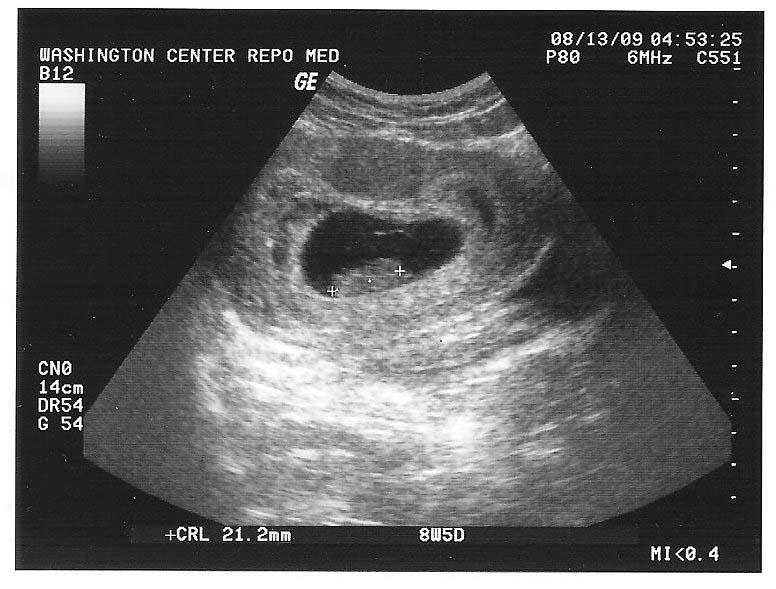
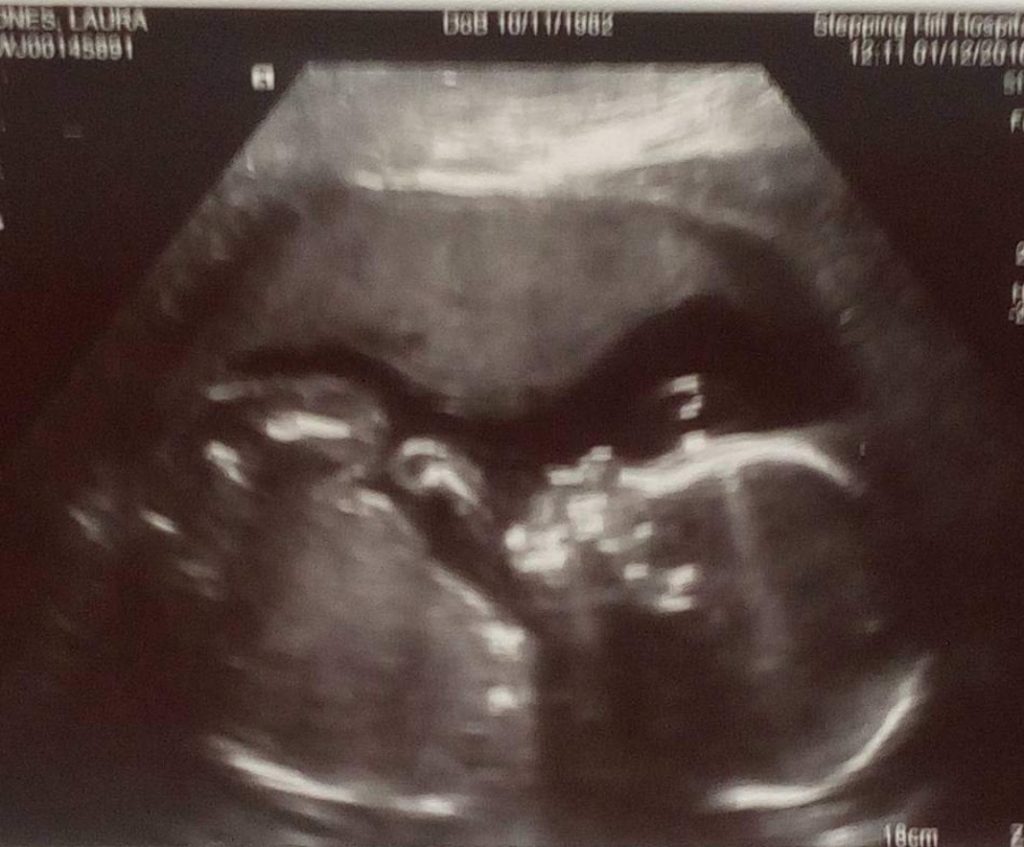
That magical time is rolling around, your first pregnancy scan! The first time you will ever see your beautiful tiny little bean. One of the most precious exciting moments you will ever have throughout your life.
It is a complete mixture of emotions. I remember crying so hard at all scans with both my babies. I remember feeling so nervous, excited, happy, scared… a whole different ray of emotions running through me. They are moments I will treasure for my whole life.
What is the dating scan for?
This scan is to calculate how far along in your pregnancy you are and to determine an estimated due date for your baby’s arrival. This will not be the guaranteed date but will be a rough guide of when you can expect to go into labour.
This is referred to as a dating scan.
This will also show whether you are having more than one baby and to check that your baby is growing in the right place, the heartbeat is healthy and that the baby is developing the way they should be.
When will your first scan take place?
Usually, your first scan in pregnancy will take place somewhere between 12 weeks, then again at around 20 weeks. Sometimes you may have a first pregnancy scan as early as 6 weeks.
Why may you have an early scan at 6 weeks?
This only usually is the case if you have experienced bleeding or spotting early on in your pregnancy, even though this can be a common symptom, they offer an ultrasound just to rule out potential miscarriage or ectopic pregnancy.
This scan may also be carried out vaginally rather than on your belly. This is called a transvaginal scan. It is a more accurate way to check on your baby. But do not worry, it should not be too uncomfortable and is just to give you reassurance that your baby is doing well and everything is as it should be.
Where will the scan take place?
Your scan will usually take place in your local hospital, the person who will be doing your scan is called a sonographer.
How to you book your first pregnancy scan?
Usually, your midwife will book this appointment for you when you have an antenatal check-up with them. Sometime your doctor may book this appointment.
What health conditions can an ultrasound pick up at your first pregnancy scan?
Anencephaly – this is the absence of a major portion of the brain, skull, and scalp that occurs during embryonic development.
Down syndrome – is a genetic disorder, which can cause physical growth delays, mild to moderate intellectual disability, and characteristic facial features. At the scan, this is referred to as a screening test and is completely optional.
Missing Limbs – your sonographer can see whether your baby has all their limbs, such as arms and legs.
If there are more health conditions with your baby they will most likely be detected at your later scan around 20 weeks.
What do you need to think about in preparation for your ultrasound?
Maternity notes – make sure you take your notes with you, this is vital so your sonographer can write down all the important information that your midwife or health visitor may need to see.
Comfortable loose clothing – your sonographer will require you to lower your trousers and lift your top to be able to give you an ultrasound so make sure your clothing is not to tight and can easily be adjusted.
Full bladder – having a full bladder will make it easier and visible for your sonographer to be able to check on your baby as your bladder will move from your pelvis into your abdomen. Do not sit there with a full bladder if it is causing pain though if you need to pee then just pee.
Parking fee – some hospitals do charge to park in their car parks so make sure you take enough change with you to do able to park and leave if you are travelling by car.
Ultrasound pictures – some hospitals do ask for a small donation to be able to get copies of your ultrasound. Be sure to take some money with you just-in-case.
What will happen at your first scan?
What you will feel
When you arrive at the hospital your sonographer will take you into a private room, they will likely ask you a couple of questions, for example, how you have been feeling so far throughout your pregnancy?
They will then ask you to lay down on a bed, lower your trousers slightly and to lift your top over your belly so they have easy access to do your ultrasound.
Your sonographer will then some paper towels into your trousers, this is just to prevent the ultrasound jelly from getting on your clothing.
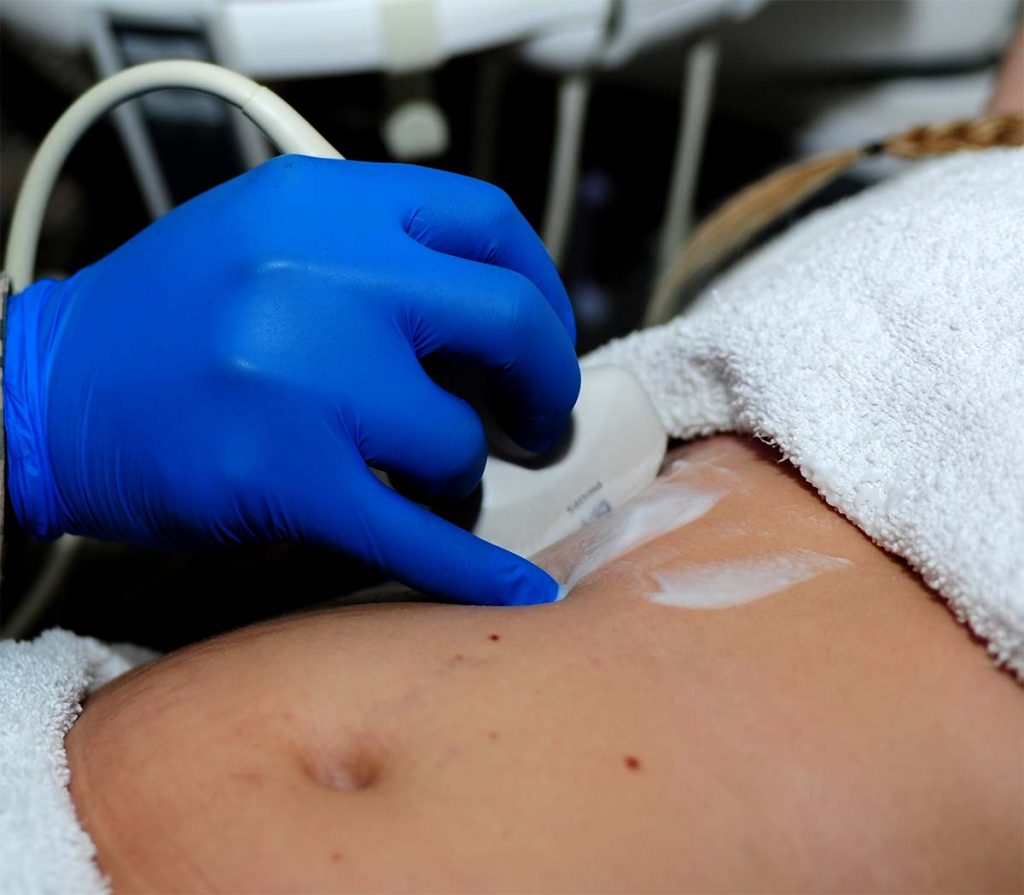
They will place some of the ultrasound jelly (ECG gel) onto your stomach, this may feel a little bit cold. This gel is used to create a conductive bond between your belly and the ultrasound transducer, which is the device they use to scan your stomach with.
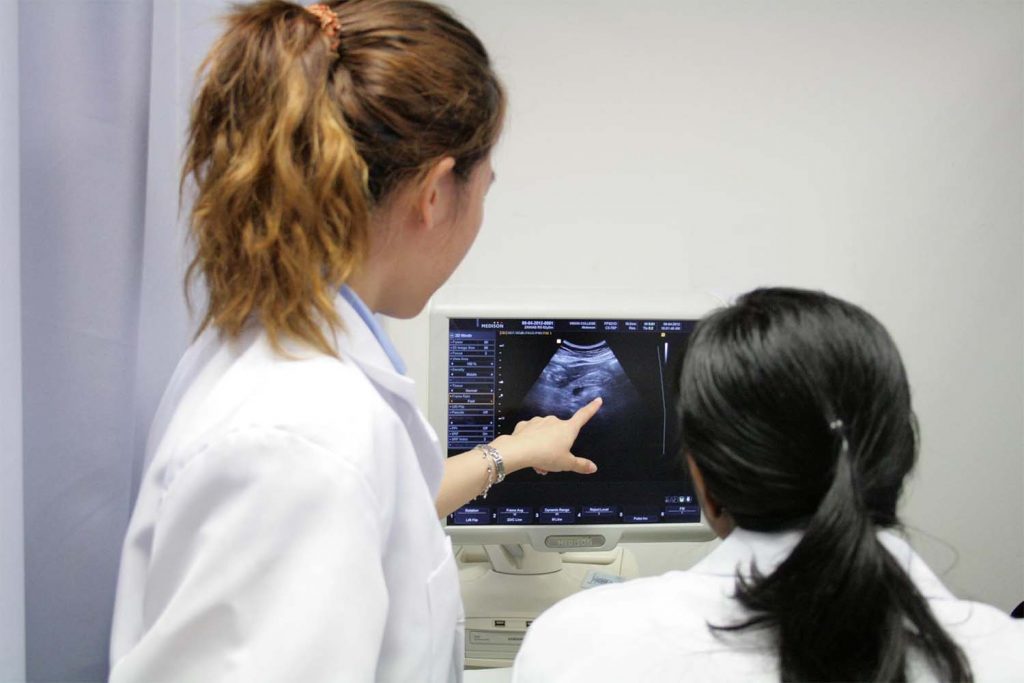
The device produces sound waves that bounce off of body tissues that creates echoes, the transducer receives the echoes and transmits them to a computer which will then use them to create a sonogram picture of your baby.
The transducers do come in different shapes and sizes.
Please note, this is the most common way of doing an ultrasound but in some cases you may have an internal ultrasound.
Once your sonographer has placed some ECG gel on your stomach, they may darken the room just so your sonographer can see your ultrasound more clearly. They will then begin to glide the transducer over your stomach, this will not be painful at all, it may feel slightly uncomfortable if you have a full bladder but the most you will feel is the coldness from the jelly.
What you will see
You will now see your baby pop up on the computer screen and hear their heartbeat, emotional right? This is the moment I burst into tears and sobbed my heart out with both my babies. Seeing and hearing them for the first time is seriously one of the most precious moments you will ever experience throughout your lifetime.
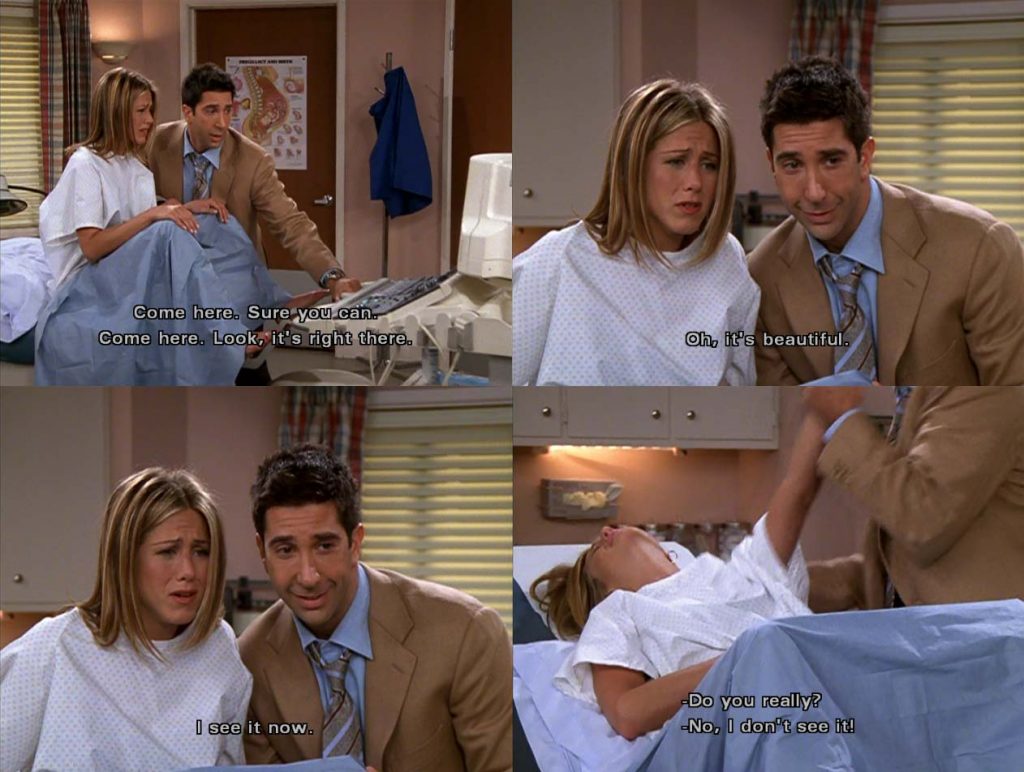
At this point in the pregnancy, they do tend to look like a little jelly bean so do not feel sad if you cannot work out what part of your baby is what. This is also the moment where you feel find out whether you will be having more than one baby.
Your sonographer will begin taking measurements of your baby from several different angles, this will help determine your estimated due date.
During this, they will also capture images for you to take home.
How long will it take?
This appointment will generally last 20-30 minutes, sometimes longer if you are having more than one baby.
Is it safe?
The ultrasound is also completely safe and will not cause any harm to you and your unborn baby.
Enjoy!
Enjoy the moment, this is just the start of a magical journey for you and your baby. Soon your nausea and tiredness will hopefully pass, your bump will start showing, you will start feeling movements and at your next scan, your baby will be so much bigger and more visible.
Pregnancy has its ups and downs, it can be a complete emotional roller-coaster. But is one of the most incredible times of your life, it will soon fly by and before you know it, your little jelly bean will soon be in your arms.
Bathing a tiny, slippery, crying baby is one of the first challenges of parenthood. I don’t know of one new Mum or Dad who didn’t find the whole ‘first bath’ experience challenging.
One of the first questions you’ll ask yourself is what is the ideal temperature for your baby’s bath? The recommended temperature of the water is between 37 degrees Celsius and 38 degrees Celsius, which is just slightly higher than body temperature.
The best way to make sure your bath has the correct temperature and stay warm is to measure the temperature of the water with a good bath thermometer.
The best bath thermometer for your family.
No family should be without a bath thermometer to keep bath water at a safe and comfortable level. These are our favourites.
Handling bath time
When we first bathed my baby son he cried so much and so loudly that he set the toddler off and we were all soaked with tears, bathwater and bubbles by the end. Thankfully bath time soon became one of our favourite hours of the day.
It can be joyfully relaxing to gently wash a tiny baby in lavender scented bubbles, dry them in a soft fluffy towel ready for a snuggly feed and (hopefully!) a sound sleep. Older babies and toddlers just love splashing and the glorious, funny, bubbly mess is a brilliant way to end the day.
As with all aspects of parenting having an eye on safety in the bath is important.
Never leave a baby or toddler unattended in the bath.
Use gentle bath bubbles, wash and shampoo.
Don’t let them drink the bathwater, especially if it has bubble bath in it.
Make sure the baby bath temperature isn’t too hot or too cold.
Use a baby bath thermometer.
How do you maintain the bath temperature?
There’s no rule as to how long a baby or toddler can be in the bath. If a small baby is being soothed by the warm, fragrant water or a toddler is laughing at the soapy game they have invented it’s a shame to get them out. Keep the water warm and the fun can continue for as long as you wish.
Choose a bath thermometer with a clear ‘too cold’ temperature indicator.
Don’t add hot water into the bath with the baby still in it, even with a bath thermometer monitoring the temperature.
Keep the bathroom warm and free of drafts.
How deep should the bath water be?
Toddlers will want more water than babies so they can play with their toys and SPLASH! it out onto the bathroom floor.
New arrivals and babies up to six months only need 5-6 inches of water to wash them and keep them warm.
A baby lying back in the bath should have their shoulders covered.
Waist high water is high enough for older babies and toddlers to enjoy playing while staying safe.
A bath time checklist
Run the bath first – checking the temperature.
A bath thermometer is essential. Choose one with a clear display, hot and cold indicators and which floats.
Washing, holding and playing with a baby while they are in the bath can make you feel like you need five arms. Bath supports and seats are helpful, just make sure you never leave your baby unattended even with an older sibling.
Toys make bath time fun for older babies and toddlers. A rubber duck, water wheels and boats are all perfect for simple games.
Keep toys clean and free of mould and mildew.
Don’t buy toys with ‘fiddly bits’ that water can collect in.
Rinse toys after each bath.
Replace toys which water won’t escape from on a regular basis.
Choose gentle washing products made from natural ingredients especially if your baby has sensitive skin. Childs Farm, Burt’s Bees and Green People all have some lovely products. Lavender is the perfect scent for a calming bath.
Have a big, soft towel ready to envelop your little one in a big hug that will have them dry and warm quickly. Hooded towels are great as they keep your child’s head covered and that’s where they will lose heat the quickest.
Whether you live in a house or a flat, you will find that controlling your baby’s movement will become your top priority and you will soon be looking into purchasing baby safety gates.
Although there are many parenting philosophies that are against it, I believe that your child’s safety is not to be risk. After all, the reality of daily life for most of us means that there will be times when you can’t keep your eyes on your child every single second, like when you have to go make some dinner. This is where child gates come in handy.
The best baby safety gates
Best classic child gates
Extra wide child gate
Baby safety gate for stairs
Portable safety barrier
Safety guard for toddlers
Free standing children’s safety gates
If you’re looking for more standing baby gates to create a playpen, have a look at our article on the best baby playpens.
Everything you need to know about baby safety guards
Do you need a baby security gate?
A baby gate is a barrier that you can place on your door or top of the bottom of the staircase. There are some kids safety gates that create a sort of a crate in which your child can play safely.
As a general rule, the safety barrier is recommended for children under 24 months of age.
It allows you to keep your child away from dangerous places such as the staircase, balcony or terrace, kitchen, fireplace, garden, etc… They literally are a life saver when you can’t give your baby your full attention or when you need to rush to the toilet or to go prepare a meal.
Plus, if you have pets, you can be sure you are keeping them separated from your child for both their and child’s safety.
How to choose a baby fence? How tall does it need to be?
Choose a child barrier model that complies with current standards in force which are the BS EN1930 . Here are the main requirements:
The standard must be clearly visible on the barrier
The minimum height of a child barrier is 72 cm;
The bars should be spaced a maximum of 6.5 cm apart so that children do not pass their heads or feet.
Of course, all the gates we propose meet this standard of safety.
When to take down the safety gate?
Most safety barriers can only be used until your baby is 24 months.
If you use it for a child over 24 months, make sure to install a barrier that is suitable for an older child.
Remove the safety barrier once the child has reached the recommended age according to the manufacturer’s instructions or even before according to the growth and development of the child.
Additionally, you should remove any security barrier if the child try to climb on it.
How to install child gates on stairs
For this type of products, manufacturers usually provide good installation guides. I advise you to take your measurements and follow the instructions in the manual.
If you install the baby gate on a white wall or you fear that the fixings damage the walls over time, you can insert wall protection pads between the wall and the barrier, they are silicone discs that will absorb shocks and slips.
Quick checklist once you’ve installed your child gate:
Make sure there are no stinging elements or splinters (if it is a wooden fence) when passing your hand over the bars or the structure of the fence, to make sure your baby won’t hurt itself when they touch the bars.
Test the strength of the fixings, to be sure that your little one can not make the gate fall by leaning on it, trying to climb it or shaking it.
If you want your child not to throw his toys through the bars, you can always install a safety net.
How many safety gates do you need?
There is no specific number. It depends on how many places you want to keep out of reach. The most recurrent places to protect are the stairs, balcony or terrace, kitchen, fireplace and garden.
Which child gate did you choose?
From cheap baby gates to large baby gates, from pressure mounted baby gates to wooden baby gates – there is a lot of child safety gates to choose from and I hope you will find one from my list that meets your needs. What is your opinion on baby gates? Do you find baby gates to be really childproof? Let me know in the comments! And if you are interested in activities your baby can enjoy with while in a kids gate, please read the article on best play mats I prepared for you!
Raising children is an expensive business. The most recent ‘Cost of a Child’ report published in 2018 estimated it at an astounding £75,000 from birth to 18 and that’s not including childcare!
Parents of babies and toddlers are a prime target for designers, manufacturers and retailers. The instinct to provide a much-loved child with the best of everything they could ever need and want is, frankly, mercilessly exploited.
The manufacturers of baby formula milk tap into our wish to give their child the highest quality nutrition. Their marketing suggests that their milk is ‘as close to breastmilk’ as it is possible to get and ‘offers the best start in life’.
This leads parents to buy expensive formula over what they perceive to be ‘inferior’ budget brands. I am one of those parents. I try to give the very best to my baby and tend to not buy the cheaper brands.
But I’m wondering if it’s worth it when it comes to baby formula.
How much should you spend on baby formula
There are several brands of baby formula, some fancy some more generic. Your formula budget will depend on the brand you choose.
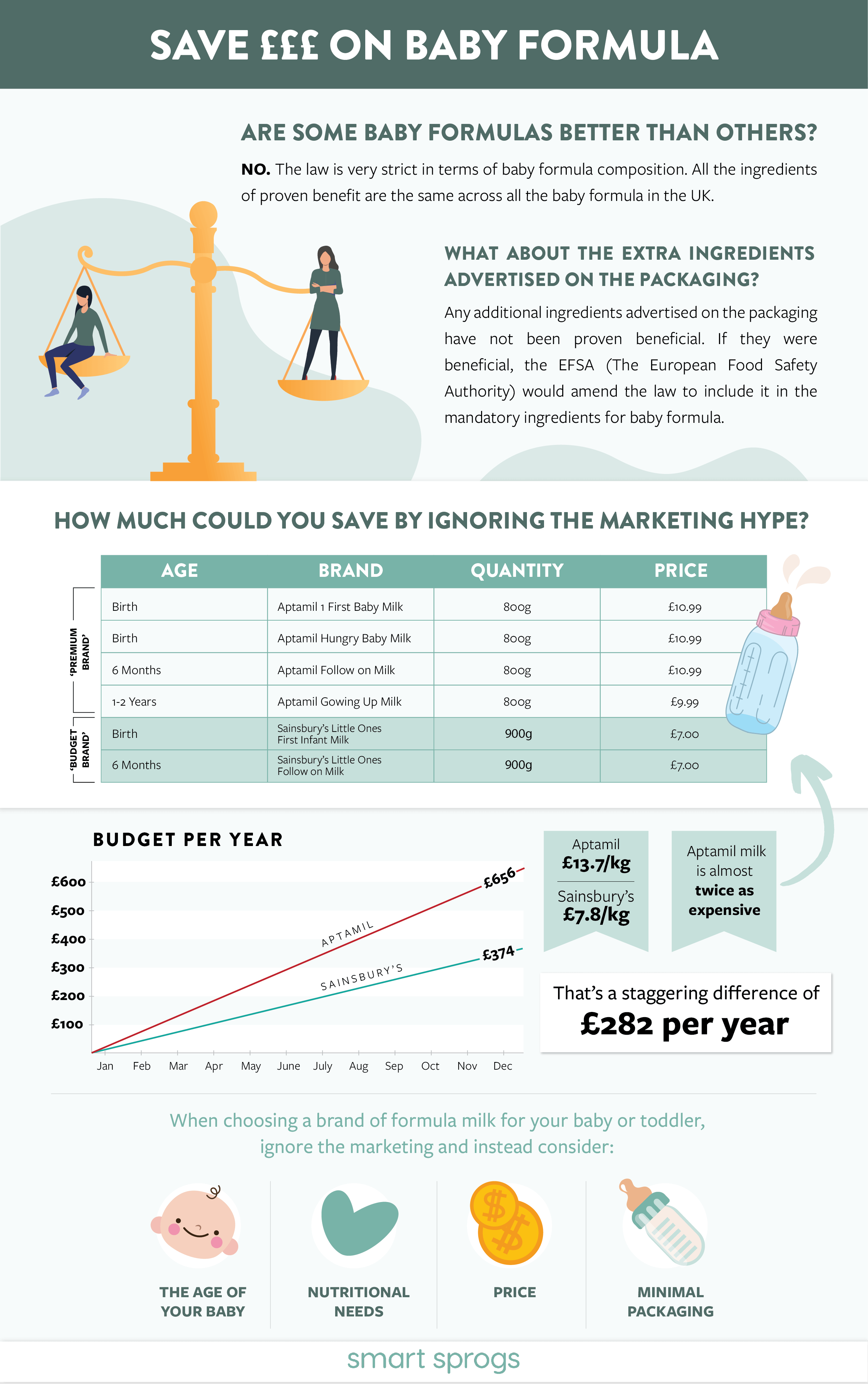
Let’s crunch the numbers. We’ve compared a premium brand with a budget brand.
The prices are from September 2019
The ‘Premium Brand’
Aptamil 1 First baby milk from birth £10.99 for 800g
Aptamil Hungry baby milk from birth £10.99 for 800g
Aptamil Follow On milk from 6 months £10.99 for 800g
Aptamil Growing Up milk from 1-2 years £9.99 for 800g
The ‘Budget Brand’
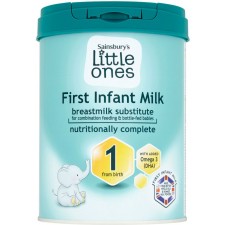
Sainsbury’s Little Ones First Infant Milk Stage 1 from birth £7.00 for 900g
Sainsbury’s Little Ones Follow On milk from 6 months £7.00 for 900g
The sums
The prices look very close to each other, only £4 difference by tub. But if you look at the capacity of the Aptamil tub and the Sainsbury’s tub, you realise that they are not the same size. You get smaller tubs with aptamil.
For the comparison to be fair we need the price of each brand for the same quantity of formula. So let’s work out the price per kilogram. The Aptamil is £13.7/kg while the Sainsbury’s one is £7.8/kg.
The Aptamil milk is almost twice as expensive as the Sainsbury formula
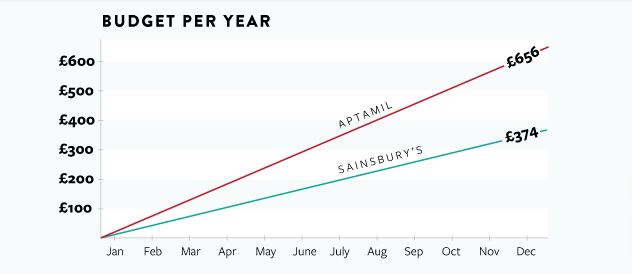
Let’s calculate a budget per year. You’ll need approximately 8kg of formula per month.
It brings us to a total budget of £656 for a year buying the Aptamil formula compared to £374 if you buy the Sainsbury’s one. That a staggering difference of £282 per year.
Is that £282 extra justified? Is the premium formula better?
What is the best baby formula?
We often say “you get what you pay for”. Is it the case for the baby formula? Do you get better quality or more nutriments with more expensive baby milk?
I’m not the only one wondering. Earlier this year, Channel 4 ‘Dispatches’ programme studied the claims made by the makers of baby formula and their investigation was very revealing.
They asked Shel Banks, an advisor to the NHS on the feeding of infants, to explain which baby formula was ‘best’. She responded with the following statement:
“There are very clear European Standard Guidelines on the maximum and minimum level of everything – the proteins, the fats, the carbohydrates – there’s nothing to choose between them in terms of nutrition at all.”
So long story short they are all the same.
The law is very strict in terms of baby formula composition. All the ingredients of proven benefit are the same across all the baby formula in the UK. Any additional ingredients advertised on the packaging have not been proven beneficial. If they were beneficial, the EFSA (The European Food Safety Authority) would amend the law to include it in the mandatory ingredients for baby formula.
So the question is why are some formulas more expensive than others?
Is it worth buying expensive formula?
Most of the lists reviews milk based on the packaging, the ease of opening and how you removed the powder from the tin or tub. Few mentioned the ingredients other than to say they were ‘nutritionally complete’ and it would be illegal to sell a milk that wasn’t so this is not a valid part of the review.
It seems that ‘big brands’ such as SMA and Aptamil are charging more than supermarket labels like Sainsbury’s ‘Little Ones’ simply because of their bigger marketing and branding budgets.
The expensive brands will try and justify the extra cost of their milk by talking about ‘added ingredients’. Aptamil, for example, has packaging which claims it contains “A breastmilk substitute with our unique blend of ingredients’. In fact, the ingredients will be the same as all other milks. The only difference will be slight alterations in proportion.
The British Specialist Nutrition Association are the representatives for the formula milk industry. They told the Dispatches investigation that the makers of baby milk can add: “varying levels of ingredients”, “beyond the legal minimum requirements”.
This is a weak argument for charging up to £4 more for a smaller size of tub. In reality should Aptamil contain an extra ingredient, such as Omega 3, which is proven to be beneficial to babies then the law states it must be added to all the other formula milks on the market too.
This extra ingredients have not been proven beneficial and therefore probably useless. Purchasing these formula with extra ingredient is a waste of money.
Baby formula marketing forbidden in the UK
Advertising “first infant formula” is not authorised in the UK. You’ll never see an advertisement for formulas that substitute breast milk. Breast Milk Action explain the law in details.
To try to circumvent the law, formula companies advertise their follow-on milk for babies 6 months and older trying to hook you with their fallacious arguments their formula is better. Implying their formula will make your baby a ballerina or a maths genius, I’m sure you know exactly which advertisement I’m referring to.
Their strategy relies on brand recognition. If you know that brand and you think their follow-on milk is the best for your baby, then you’ll think their first infant milk is also the best. It’s their way to persuade you to buy their first infant formula they can’t advertise.
The social, safety and economic impact of expensive formula
The cost of formula milk and the suggestion that ‘expensive is best’ can have a huge impact on families. These groups are particularly vulnerable.
Low income families.
Single parents.
Parents of twins or triplets.
Parents of both babies and toddlers.
Parents of babies with allergies or digestive issues.
At the UNICEF Baby Friendly Conference in 2018 an All- Party Parliamentary Group on Infant Feeding and Inequality discussed concerns over the cost and marketing of baby formula.
Poverty caused by the cost of formula milk.
Parents not feeding themselves so they can afford to feed their babies and toddlers.
Unsafe practises such as the watering down of formula to make it last longer, adding cereal to feeds or skipping feeds.
The unfair and misleading marketing campaigns of certain formula brands.
The following commitments were made:
The UK should ban the advertising of breastmilk substitutes to the public.
Public Heath communications are required to make plain to parents that there are no significant nutritional differences between each brand of formula.
Research into the unsafe formula feeding practises needs to occur urgently to provide a solution.
The impact of the cost of formula milk to a family should be considered at all stages of the health and social care, welfare, immigration and benefits system.
Save your money, buy the cheap formula
To sum up, when choosing a brand of formula milk for your baby or toddler pay little attention to the brand and marketing nonsense that they throw at you via advertising and packaging and instead consider:
The age of your baby.
Your baby’s nutritional needs such as difficulty with digestion and allergies.
Laura was diagnosed with PCOS, but despite the odds she managed to conceive in 2016. She tells us her story and share what she thinks was crucial into helping her conceive her baby.A real testimonial of hope for all of you that have PCOS.
For those who have been trying to conceive, and have yet to succeed, I’ve been there, I’ve lived through the heartache of wanting a baby, and after years of trying, my dream came true.
PCOS did not stop me from conceiving
When I was nineteen I was diagnosed with Poly-Cystic Ovarian Syndrome (PCOS), my weight ballooned, my periods were irregular. I had depression, and I suddenly felt like i was faulty. Having PCOS meant that my ovaries had fluid filled follicles on them,it affects hormones, and disrupts periods, it can cause unwanted body hair, and of course, fertility issues.
The doctor told me that my chances of conceiving were very low. I know at the time I wasn’t ready to be a mother, and although I was in a relationship, we both felt too young. I admit now that i was a comfort eater, not just because of my PCOS, but I had a few things going on in my home life, and that, of course, didn’t help my weight.
I became more depressed. I met my partner Dan in our last year of college. Once college finished we promise we would make it work between us, as we lived a bit of a distance away from each other, and lived on campus during term time. No one thought we would stay together once college was finished. But nearly nineteen years later, we are still together.
When I was about 25 i had a scan on my ovaries, and one was drastically smaller than the other, so I felt like all hope was lost. The nurse said I had a very strong womb though. Dan and I decided, not long after that, to try for a baby, and so we started having unprotected sex.
The months turned into years, and we had seen so many friends get married and within months they would be expecting a baby. I got fed up of everyone asking when we would have children, or the “You don’t understand, you don’t have children” kind of comments.
Do you have PCOS? Pop to NHS PCOS for more information.
Should I adopt?
I had friends, most of whom are parents, say “Why don’t you adopt?” or “ You may be an aunt one day” or “It will happen when you won’t expect it”.
Yes, the last statement is true, but if people are unaware of your condition or don’t understand it, then this can make you feel almost as bad as a negative test.
For me, adoption wasn’t a thought. In my heart I was doubtful I could love a child who wasn’t my own flesh and blood, and that wasn’t the right choice for me.
Coping with disappointment
How did I cope so many years with no success of being a mum? I worked, I kept myself busy, I knew Dan wouldn’t leave me and that no matter what he would be by my side. The only thing was I felt guilty that I couldn’t make him the father I knew he wanted to be. I learnt to get through that guilt, how? In honesty I don’t know. We just kept busy.
What changes brought on conception?
In 2013 my mum and I joined our local Gym and i got hooked on zumba. After a few years I had become great friends with my instructor, and she suggested I teach zumba. I was a full time carer for my elderly grandad at the time, and going to zumba was my respite. I did zumba 6 days a week. I watched what I ate, I lost nearly five stone. I felt amazing.
In 2016, my life changed forever, and at first, not in a good way, I had an accident in which I ended up with a concussion, and that led to Post Concussion syndrome, my mental health was non existent, and my world fell apart.
I was diagnosed with anxiety, and I couldn’t leave the house. I gave up my part time job, and I felt so lost. By now, you are probably wondering where this is going, but trust me, I believe this was a turning point.
I got a bit better, with support from friends and family, and I managed to get back to zumba, my confidence was returning, when one of my zumba friends sadly passed away, her dad approached me, and wanted to say thank you for being there, and he booked me a reiki session to help relax me.
It was such a pleasant experience, and I 100% believe that, plus my zumba, helped me conceive.
Finding out I was pregnant
In the summer of 2016 my mum and stepdad took us out for the day, and i get travel sick, so halfway to our destination, I asked my mum to pull over as i was going to be sick.
The next morning I kept being sick and Dan told me to get a pregnancy test. I said to him that it was pointless and that I’d do it to prove him wrong, well, I was shocked, it came back positive.
I rushed out and bought two more tests, both were very strong positives. I was teaching Zumba up until I was 30+ weeks pregnant with the support of my instructor.
In March 2017, My son was born via emergency C Section weighing 7lbs 4 ounces. My dream of being a mum had come true.
Tips on conceiving with PCOS
I can appreciate anyone who is having difficulty conceiving, especially with such illnesses as PCOS, and that there is hope for those who are trying.
After so many years so trying to conceive, I think that the best advice I can give is don’t give up.
Eating a balanced diet, by cutting out processed foods, watching those carbohydrates and refined sugars, which can cause spikes in insulin levels.
Exercise – *groan* I know, this is the hard bit. But my advice to you is to find something that you enjoy. I found zumba and it really did change me life. It isn’t like having exercise, yes you sweat, burn calories, but because it’s also dancing, and the music is great, it’s like a party.
Remember – the doctor isn’t always right. They were wrong about me, and I’m glad.
Feel like giving up? Find something to distract your mind from babies. I was happy for my friends who seemed to get pregnant easily, but I also felt like I was dying inside. So finding hobbies that keep you busy. I love cross stitching, and reading.
Maintaining a healthy lifestyle is key. I noticed that when I started losing the weight, my periods became more regular, I wanted to eat healthier.
I also truly believe that my reiki session helped my body to relax and it balances the body.
I nearly gave up for my chance of happiness so I do hope that you found this article inspiring, and helpful in some way. Whether you have PCOS or not sure why you haven’t conceived but still trying, I wish you all the best and that it can happen.
15 miscarriages, diagnosed with PCOS and a small womb, a cheating partner… Korrina’s life has not been easy, but it’s such an inspiration. Despite all the difficulties she pulled through and is now the happy mother of a little boy and has another baby on the way. Here is her story.
I had my first miscarriage at the age of 17. I had been with my boyfriend a few years he was a couple years older than me. I cried for days, going over what I could of done wrong, wondering what I could have done differently. All the “why me?” questions…
As the years went on we tallied up 13 miscarriages in the 10 years we were together. Around the sixth miscarriage I became numb to them. No longer crying or showing any emotion. When people asked about it, I would reply the same platitudes such as “oh well it happens”, or “Que Sera Sera2.
The diagnostic
At the age of 22 I decided to seek medical advice. I was told I had PCOS and a smaller than average womb. It made me feel like a failure as a woman, and this did start the tears over again.
The doctor said I would never be able to carry a child of my own. I felt broken.
The only thing I could do was lose some weight to relieve some of the symptoms of PCOS. So I did. I went from 24 stone to 12 stone through exercise and eating a little healthier. This also gave me something other than trying to have a baby to focus on It was hard.
Seeking alternate solutions
My friends were all having children. It was a constant reminder of what I wasn’t able to do, making me even more like a failure.
My partner and I looked into other ways to have a child.
We started with fostering. Unfortunately the assessor told us we didn’t have enough experience with children to be foster parents. It ruled out the fostering option.
So we decided to try IVF.
My infertility destroyed my couple
IVF is a long process. Unfortunately while we were waiting for our tun, my partner cheated and had a child with another woman. My world crumbled. Obviously it was the end of our relationship.
It made me feel even worse. I couldn’t have a baby, I couldn’t keep my partner happy and faithful…
A week after I received the news we had been approved for the IVF. Making the phone call to cancel the IVF crushed me.
It was the drop to many. My life went on a downward spiral with alcohol.
Eventually I met someone new. We had a contraception mishap and pregnancy number 14 also resulted in miscarriage. That relationship ended and I continued drinking excessively.
Picking myself up and moving on
After a few years I made the decision to turn my life around. At 27 I moved 170 miles and stopped drinking completely.
I wanted a fresh start somewhere new, somewhere no-one knows me or my past. I went back to college to get new qualifications. Focus on getting back on track and trying to forget how badly I wanted to be a mum.
I was still trying though. I met a guy a short relationship that ended a week after miscarriage 15.
Four years ago I met my now husband we started as a fling he is a lot younger than me. It was supposed to be fun but feelings grew.
After dating for three months, I got pregnant. He was not thrilled at first, it was too soon.
After my previous miscarriages, I did not want to get my hopes up. I told him we shouldn’t make any plans until we hit 12 weeks. I didn’t think we would.
Another pregnancy like the others?
We had lots of doctors appointments. At six weeks I became very sick. I couldn’t keep any form of food or drink down. The doctors gave me multiple anti sickness nothing worked. But we made it to 12 weeks.
I was still very ill and told my partner not to plan anything until we hit 20 weeks.
Everyone kept telling me being this sick was a good thing, it meant my hormone levels were really high. They saw it as a positive. I was still very sceptical. After all I had been told for years I couldn’t have children. It was only a matter of time before something went wrong…
My miracle
At first I was more scared than anything. I didn’t think I could carry a child to term. My husband was very supportive at every stage of the way. Reassuring me as best he could.
As the pregnancy progressed I started to get more excited and hopeful. Looking at baby clothes, trying to pick names… The latter wasn’t an easy task. Everytime we would pick something someone would comment on it and make me change my mind.
In September of 2016 I went into labour 8 days late and gave birth to a healthy baby boy, a big boy. 8 pound in weight and 58 centimetres long. Not bad for a smaller than average womb, a woman who was told she would never carry her own child.
Miracles do happen. He is mine. I have to pinch myself to make sure I’m not dreaming.
More than one miracle
Fast forward 3 years, our little boy is happy and healthy. And you wouldn’t believe me but we’re expecting our second child! This pregnancy has not been without its fears and issues but I’m almost there.
All my miscarriages, all my heart breaks have been so worth it. Of course I could have done without it, but I’m so happy now with my cheeky little boy. So I guess the moral of my story is to never give up. PCOS means it’s going to be difficult to have children, not impossible. Me and my children are living proof of that.
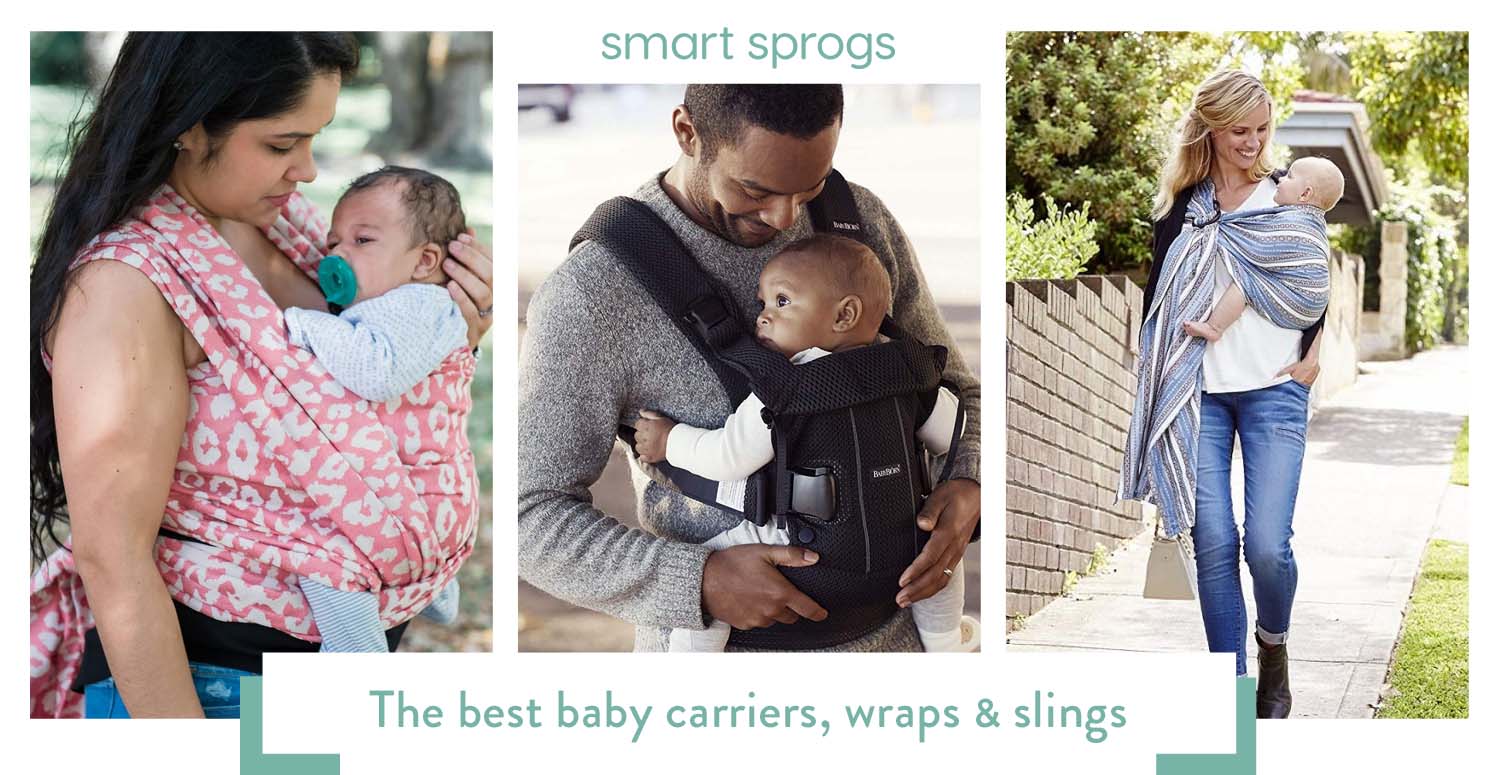
In the first few months of parenting your baby needs your constant attention. As a parent, you will feel safest when your baby is near you, or even better, on you. However as dedicated as you are you can not carry your baby in your arms all day long, you’d end up with cramps.
That’s where baby slings and baby wraps come in handy, as you can simply carry your baby on you wherever you decide to go and still have your hands free.
You need something easy to put on, secure and comfortable so you can wear it all day long.
Our top picks to carry your baby
The best baby carriers
The best baby wraps
The best baby slings
Why would you need or want a baby carrier?
Simply because it’s lovely to feel close to your baby while having your hands free to go about your daily tasks. However, there are other great reasons for investing in a baby carrier.
You can parent your other children much easier while carrying the tiniest member of the family along with you.
If you have a fractious new born who simply won’t be put down, then a sling will help you get on with household tasks.
Studies have shown that a baby who is carried for at least two hours in a day will cry 43% less throughout the rest of that day.
Trips on public transport are so much easier without a pram the size of a tank to deal with. A baby carrier is the perfect option for a bulk-free trip to the shops.
Carrying an older baby in a front-facing baby carrier is a fun way to go for a walk. They can see what’s going on from up high with mummy or daddy pointing out tractors, dogs, big trees and other exciting, new things.
What to consider when shopping for a baby carrier
The best baby carrier is a comfortable one. There’s nothing worse than finding the expensive, stylish papoose you just bought makes your back ache or chafes your arms.
Before you buy, TRY! I would recommend having an initial recce and then once baby has arrived take them with you to ensure the best fit and level of comfort for both you and your cherub.
Decide whether to buy one carrier for each stage of your baby’s development or one that will adjust to your child’s growth.
A wrap is a great idea for a small baby but not for a curious 10-month-old. Your choice will depend on your budget as a separate carrier for each age may be more practical and comfortable but might be expensive.
When guidelines are followed, baby carriers, slings and wraps can be used without worry. However, do keep safety in mind. Read the instructions for the product, visit The Lullaby Trust website and have a look through these guidelines; https://www.babycentre.co.uk/a1038508/how-to-keep-your-baby-safe-in-a-sling
Practise putting your carrier on. Getting the technique right can take a few goes. Cracking the puzzle of how to strap it to you is one thing, doing it with a baby in it or putting a baby in after can be nerve-wracking and stressful.
Carrier, wrap or sling – what’s the difference?
A Baby Carrier
Designed to securely strap to your front.
They are usually made from structured material with a soft inner and weatherproof outer liner.
Baby carriers will either be in one piece with carrier and straps attached (Chicco) or in two separate sections. (Baby Bjorn)
They will keep baby in an upright position with their head supported when needed and little legs either curled up underneath or dangling.
Can be used with baby facing towards you in the first months and then changed to be forward facing as they get older.
The straps are designed to be adjusted to fit men, women, indoor and outdoor clothing and for people of all shapes, sizes and heights. But you need to try them on before purchase.
A baby carrier can be bulky and heavy to wear, pack and store.
A Wrap
They are usually made of a soft breathable fabric that will regulate your baby’s temperature.
They are designed to be wrapped around your body and then your baby.
Baby is carried facing you with their legs tucked up or dangling. Head support can be adjusted easily by wrapping in a different way.
Adjustable, within reason, they can be wrapped to suit an individual’s shape and size.
Can be used from birth into the older baby stage.
Wraps are large, foldable pieces of fabric so are portable and lightweight to wear, pack and store.
A Sling
Made of soft, breathable fabric which will keep your baby both cool and warm where needed.
Worn over one shoulder so can be uncomfortable over a long period of time.
Usually used with baby in a cradled, reclined position like a hammock.
Mainly used for young babies but some can be adjusted to become a ‘hip seat’ for older babies and even toddlers.
Can be used as a discreet ‘cover-up’ when breastfeeding.
Slings sometimes have a structure to them (high sides so baby can’t roll out) so they aren’t quite as lightweight and portable as wraps.
Hope this article helped you find the perfect baby carrier for your little one. Talking about carrying your baby, you might be interested in reading more about travel gear: